Plan 2035 review flags housing costs, wage stagnation in Prince George's County
County planners say Plan 2035 is being tested by $1,799 rents, stagnant wages and a growth map that no longer matches the market.
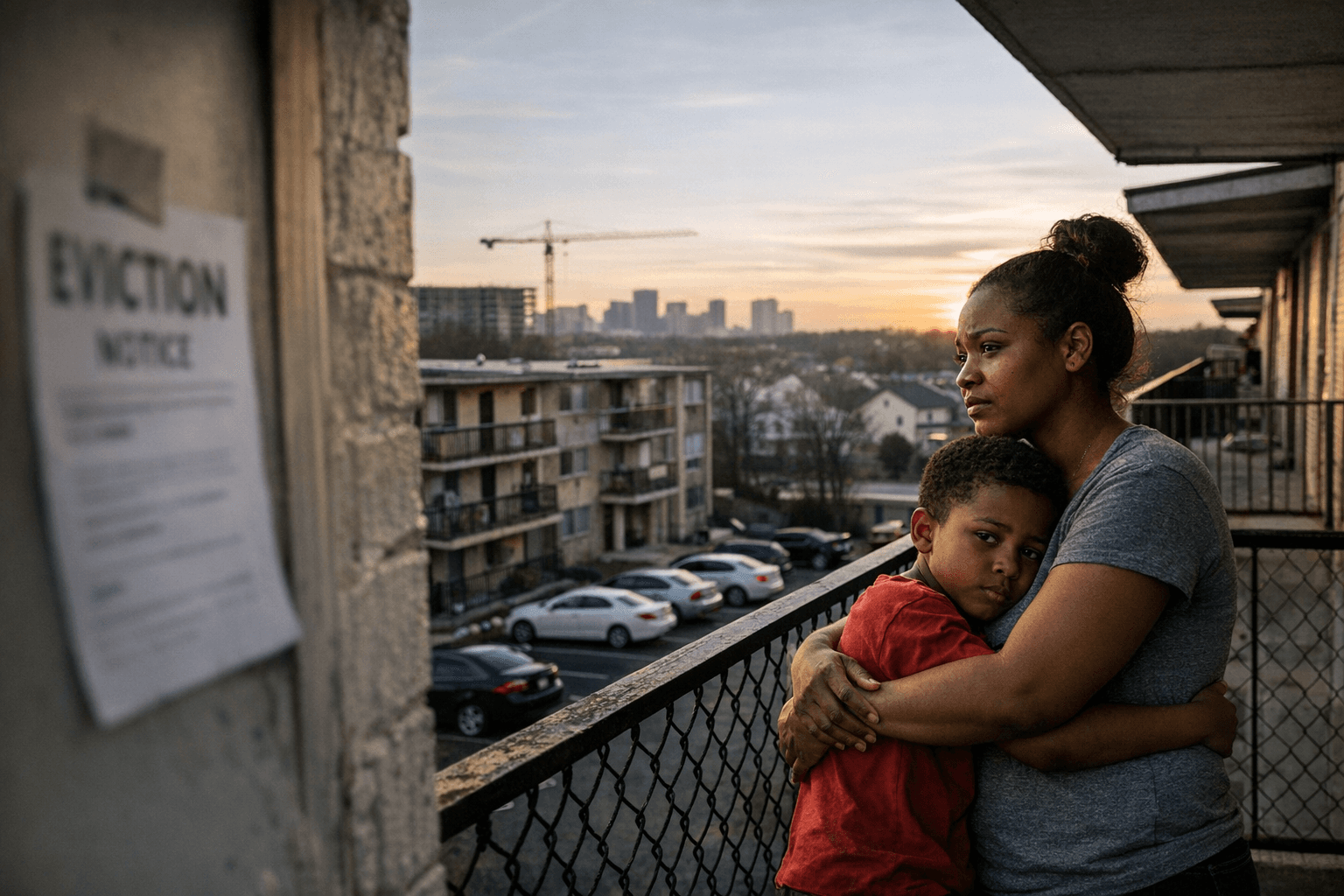
Prince George’s County’s long-range growth plan is under pressure from a housing market that keeps outrunning paychecks. The county’s own planning review points to rising housing costs and stagnant wages as the central test for whether Plan Prince George’s 2035 still fits the reality on the ground, or whether it needs a rewrite.
Plan Prince George’s 2035, adopted in 2014, was built to steer growth toward eight Regional Transit Districts and six Neighborhood Reinvestment Areas. The Planning Department says the Plan 2035 Five-Year Evaluation II measures progress since the first evaluation in 2019 and tracks whether the county is meeting its growth-management targets. A 2020 review presentation had already pushed the county toward tighter data collection, stronger coordination across agencies, and changes to the plan’s Economic Prosperity and Healthy Communities indicators.
The stakes are not abstract. U.S. Census Bureau QuickFacts estimates Prince George’s County’s population at 970,374 on July 1, 2025, with 371,199 housing units in 2024. The county’s median gross rent was $1,799 in 2020-2024, while median household income was $101,798 over the same period. County planners have said the general plan is meant to guide where housing, jobs and mixed-use development go as the county tries to balance economic development with affordability, but the numbers show how much harder that balance has become.
The question of where new housing should go has already sparked conflict. WTOP reported that Plan 2035 called for about half of all new housing to be built inside the Capital Beltway and near transit stations, another quarter near commuter transit and town centers, and only about 24% in more car-dependent areas. WTOP also reported a 2024 proposal that would have capped residential building permits at 2,800 dwelling units countywide for the year, a sign that some leaders have been willing to tighten the brakes on development as residents face higher costs.
The county has also moved on other housing policy fronts. In June 2024, the Prince George’s County Council approved a rent stabilization deal after debate between tenant advocates and the apartment industry. As officials weigh an updated general plan, the deeper issue is whether a new blueprint would produce more housing in the places the county wants it, or simply reorganize the same affordability crisis under a fresher name.
This article was produced by Prism’s automated news system from verified source data, official records, and press releases, then run through automated quality and moderation checks before publishing. The system is built and supervised by the people who set the standards it runs under. Read our full AI policy.
Did this article answer your question?