Prince George’s County detectives use genetic genealogy to crack cold cases
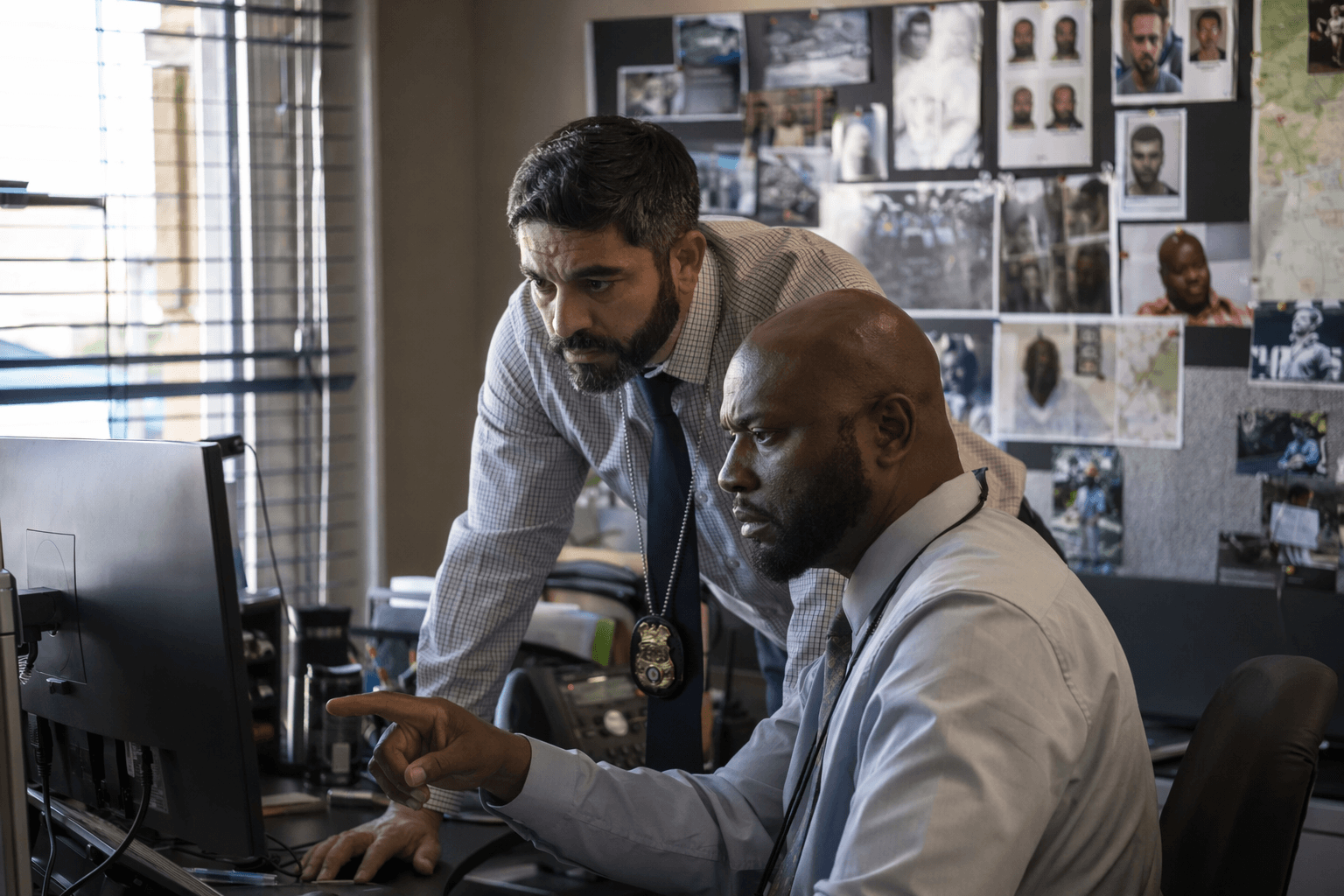
Two detectives are pushing Prince George’s County into forensic genealogy, a costly tool that could bring answers to families but only for the cold cases the county can afford to test.

Two Prince George’s County detectives are using forensic genetic genealogy to reopen violent cold cases that have gone unsolved for decades, giving families a new path toward answers in a county that said it had about 600 cold cases with unmatched suspect DNA, including 120 murders and 360 sexual assaults. The work also forces a harder question: which cases get tested first when private-lab genealogy work can run about $2,000 per sample, and some casework can cost $30,000 to $60,000.
Prince George’s County moved into the field with a $470,000 Department of Justice grant in 2020, money meant to reopen cases dating back as far as 1979. Officials have said the investment was driven by the size of the backlog, and the county has already seen results. In 2021, police closed their first case using forensic genealogy after revisiting DNA evidence from a homicide scene that had not matched anything in crime databases.
The most recent breakthrough came in November 2025, when the county announced it had solved the Jan. 13, 1998, murder of Sherry Crandell nearly 28 years after her death. Investigators used genetic genealogy, help from the FBI’s Baltimore Investigative Genetic Genealogy Team and a warrant obtained in 2021 to work through the evidence. Authorities identified Baari Shabazz as the killer, and he had died in 2019, closing a case that had outlived the suspect himself.
Other county cases show how broad the effort has become. In March 2025, prosecutors announced the arrest of 82-year-old Rodger Zodas Brown in the 1979 rape and murder of Kathryn Donohue. In the Cynthia Rodgers case, detectives retested DNA in January and linked an unidentified male profile to James Clinton Cole, another reminder that older evidence can still point to a name when traditional database searches fail. The county’s earlier success in Forestville gave detectives a working model for the newer investigations.
State’s Attorney Aisha Braveboy has said the method offers real promise for justice and closure, while FBI Baltimore special agent in charge Jimmy Paul said the Crandell case had been worked for four years and that the technique can identify serious offenders decades after the crimes. At the same time, county officials have acknowledged privacy criticism tied to public genealogy websites, leaving Prince George’s County to balance the demands of accountability, cost and consent as detectives turn a limited grant into a long-term investigative strategy.
This article was produced by Prism’s automated news system from verified source data, official records, and press releases, then run through automated quality and moderation checks before publishing. The system is built and supervised by the people who set the standards it runs under. Read our full AI policy.
Did this article answer your question?