Prince George's County explains rules for historic designation decisions
Replacing windows, siding, or a roof can trigger county preservation review if a Prince George’s property is a designated site or in a historic district.
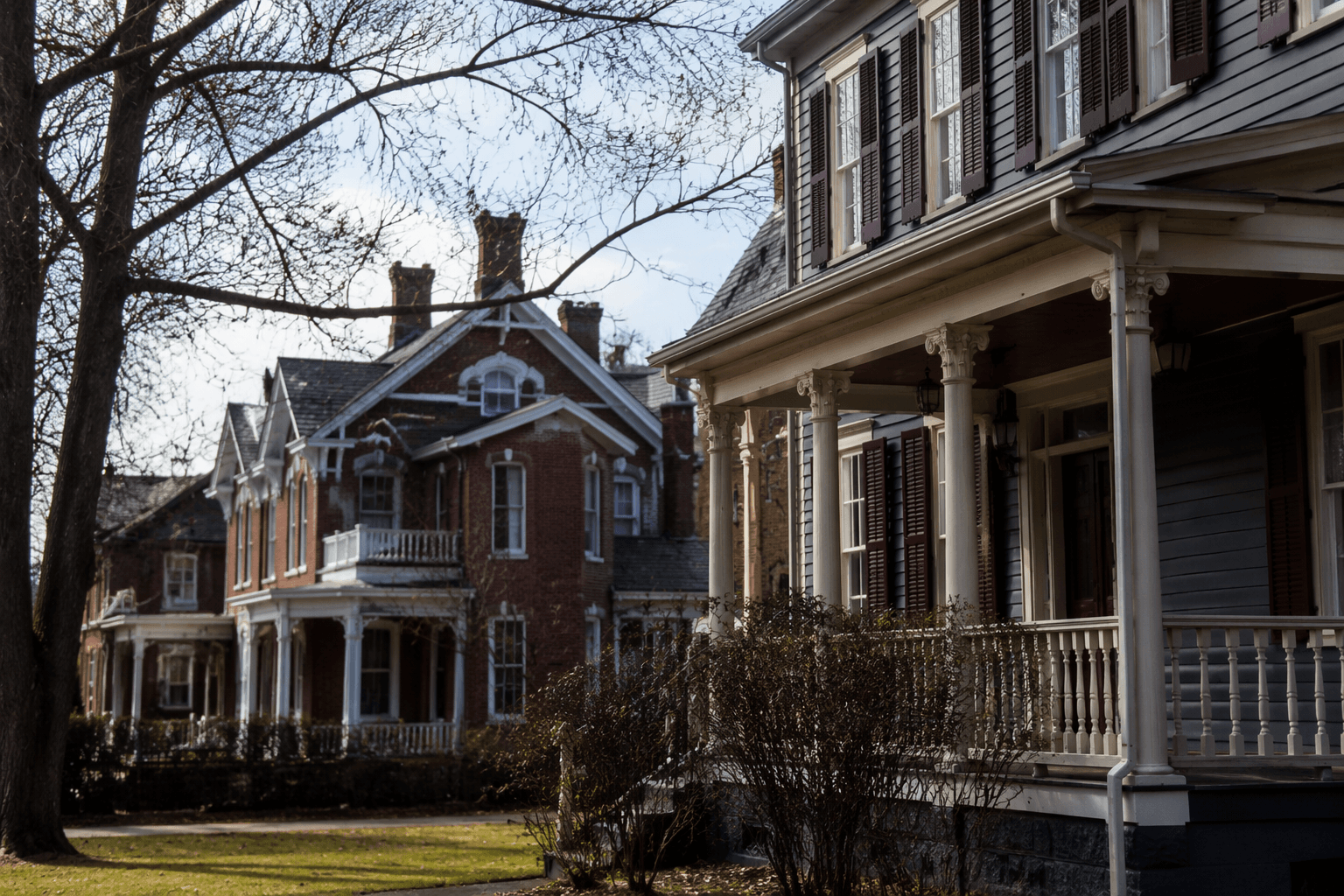
Replacing windows on an older Prince George’s County house can bring a preservation review before the contractor starts measuring. If the property is a designated historic site, part of a historic district, or still under evaluation as a historic resource, the county may require a Historic Area Work Permit before exterior work can move forward.
How Prince George’s County decides what is historic
Prince George’s County does not treat historic designation as a matter of taste. The Historic Preservation Commission uses evaluation criteria required by Subtitle 29-104 of the County Code, and the county says those criteria were built from National Register standards, Maryland law, and other local plans and ordinances. That makes designation a legal finding about historical and architectural significance, not a decorative label.
The county’s preservation program is aimed at places that help tell the county’s story: older buildings, structures, and archeological sites that remain in eighteenth-century plantations, nineteenth-century crossroad communities, early twentieth-century streetcar suburbs, and rural landscapes tied to tobacco raising and horse breeding. The county brochure also points to prehistoric artifacts, eighteenth-century farms, and early twentieth-century commercial buildings as part of that record. In practice, the system is built to identify those resources before they are altered or lost.
Historic resource first, historic site later
One of the most important distinctions in the county system is the difference between a historic resource and a historic site. A property can be recognized as a historic resource before it is fully designated, which means it has been identified as potentially significant even if the final decision has not been made. The Historic Preservation Commission can then evaluate whether it meets the county’s criteria.
That matters for homeowners because the review process starts before a property reaches full historic-site status. If a house, barn, outbuilding, or landscape feature is only a historic resource, it can still be part of the county’s preservation pipeline, and that can affect future work long before the property is added to the county’s protected list.
What a homeowner needs to do first
If you own an older property and want to replace windows, repair siding, alter a roofline, or make another exterior change, the first step is to check whether the property is already designated, located in a county historic district, or identified as a historic resource. County guidance says applicants may request a historic site evaluation and include a written statement explaining how the property does or does not meet Subtitle 29-104.
Those applications go to the Historic Preservation Section at the County Administration Building, 14741 Governor Oden Bowie Drive, 4th Floor, Upper Marlboro, Maryland 20772. The county says applications can be submitted by email or mail, which makes the evaluation request a formal part of the planning process rather than an informal conversation.
When a Historic Area Work Permit is required
A Historic Area Work Permit, or HAWP, is the county permit used for projects involving designated historic sites and their environmental settings, as well as properties inside county historic districts. The county’s guidance defines a historic site as a property evaluated and designated by Prince George’s County and protected by Subtitle 29. It defines a historic resource as a property that has not yet been fully evaluated by the commission but has been formally recognized for potential significance.
For a homeowner, that means exterior work on a designated property can come under preservation review even if the building itself is staying in place. The county’s framework is designed to catch significant visible changes before they happen, so a roof replacement, window swap, siding change, addition, or demolition proposal can all become permit questions depending on where the property sits in the county’s historic system.
Who makes the call
The Historic Preservation Commission makes the designation and permit decisions. Public meeting summaries from 2023, 2024, and 2025 show that the commission remains active and meets in a formal public setting. The February 20, 2024 summary lists Chair John Peter Thompson, Pamela Jenkins, Arlisha Norwood, Ph.D., Kelly Porter, Susan Pruden, and Royal Reff as commissioners present, while the April 16, 2024 summary lists John Peter Thompson, Pamela Jenkins, Kelly Porter, Susan Pruden, and Royal Reff.
The commission also meets outside the county’s main offices when needed. The October 15, 2024 meeting was held in person at the Cheverly Community Center and virtually through Teams, showing that preservation review is handled through an ongoing public process rather than a one-off administrative filing. County preservation records also name staff including Tom Gross, Jennifer Stabler, Ph.D., Daniel Tana, Kacy Rohn, Amelia Chisholm, Tyler Smith, and Nat, all part of the county’s working preservation apparatus.
What the commission looks for in demolition cases
Demolition is where the county’s preservation rules become most consequential for a homeowner or developer. The county’s HAWP policy says the Historic Preservation Commission must consider whether a structure can be put to reasonable beneficial use without demolition. That standard pushes the review beyond simple condition or convenience and into whether the building still has a viable future.
The county’s approach is not separate from land-use planning. Its preservation material frames historic preservation as part of county planning and permitting, which means the system sits inside the broader work of the Prince George’s County Department of Planning and the Maryland-National Capital Park and Planning Commission, not in a museum office. That structure gives preservation decisions real weight in the same system that handles development and construction.
The county has built the framework over time
Prince George’s County did not assemble its preservation rules on the fly. The Approved Historic Sites and Districts Plan was approved in June 2010, and the Illustrated Inventory of Historic Sites and Districts followed in April 2011. Those documents show a county system built through formal planning, inventories, and commission oversight.
For homeowners, the practical rule is simple: before starting exterior work on an older property, find out whether the building is a designated historic site, part of a historic district, or a historic resource under review. In Prince George’s County, that check can determine whether a project moves ahead as a routine repair or waits for preservation approval from the commission that governs the county’s historic framework.
This article was produced by Prism’s automated news system from verified source data, official records, and press releases, then run through automated quality and moderation checks before publishing. The system is built and supervised by the people who set the standards it runs under. Read our full AI policy.
Did this article answer your question?