Prince George's County farm incubator grows fresh food and new farmers
At Watkins Regional Park, Prince George’s County is testing whether public land can produce real farm businesses, not just fresh vegetables. The stakes are who gets to grow, sell, and benefit from the county’s food system.
A county plot with bigger stakes
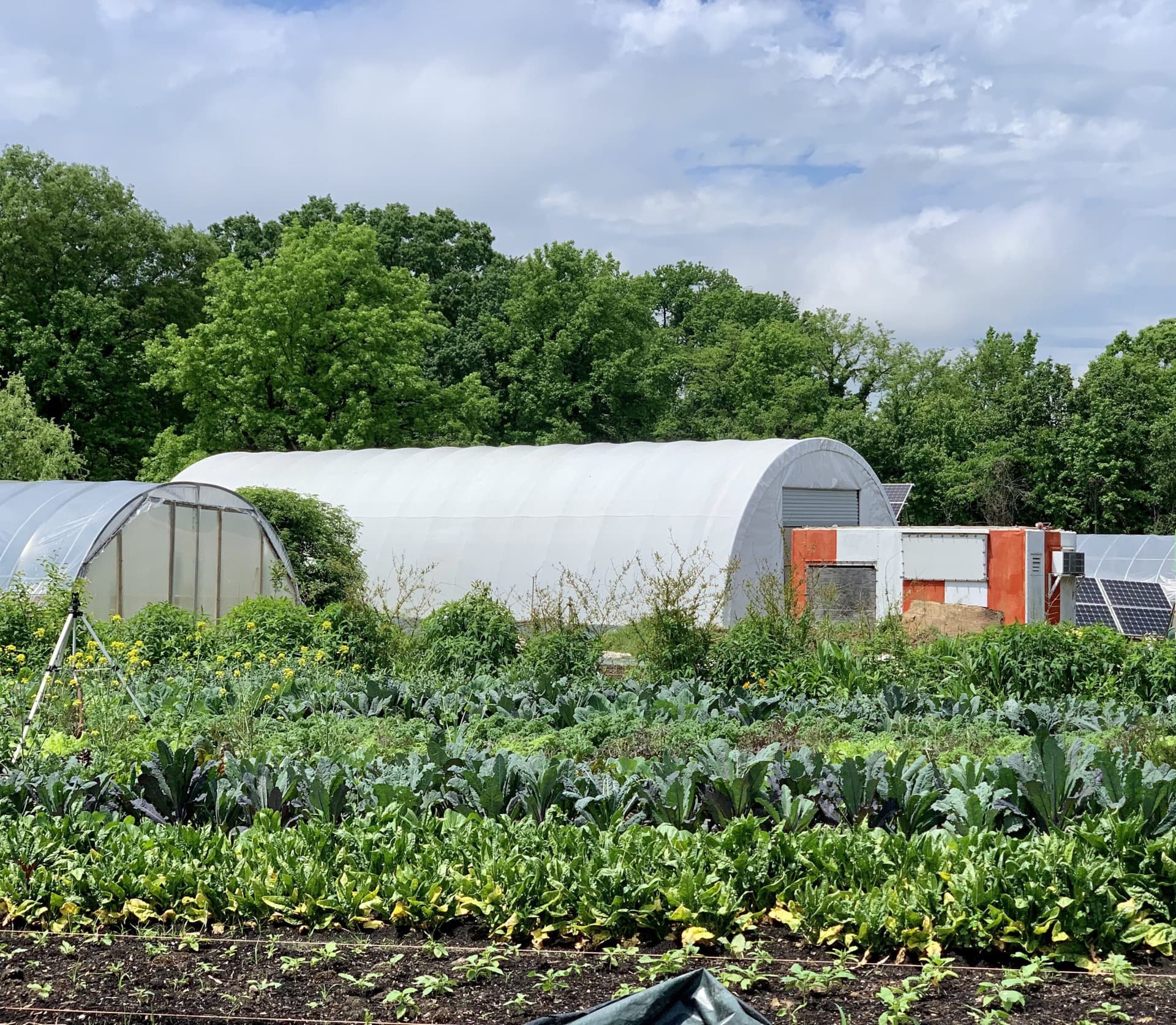
A patch of land at Watkins Regional Park is doing more than growing crops. Prince George’s County’s Urban Farm Incubator is being used as a test of whether local land, training, and public partnerships can produce a new class of farmers who can build businesses, reach county customers, and expand fresh-food access in neighborhoods that still depend on outside suppliers.
Established in 2022, the incubator sits at the intersection of land use, economic development, and public health. It brings together ECO City Farms, the M-NCPPC Parks and Recreation Department, the Prince George’s Soil Conservation District, the Prince George’s Food Equity Council, and The Capital Market of 20743 at Mary and Main. That mix matters because the project is not just about growing food. It is about deciding who gets a foothold in agriculture, what kind of support they need, and whether county-owned land can lower the barrier to entry for people who would otherwise struggle to start a farm.
How the incubator is supposed to work
ECO City Farms describes the incubator as a next-step training ground for beginning farmers. The idea is practical: use county land to let smaller-scale growers test whether they have a viable business plan and figure out what land and infrastructure they will need later. That is a different model from the traditional farm path, where the cost of land, equipment, and startup risk can shut out new entrants before they ever sell a crop.
At Watkins Regional Park, the incubator gives participants space to learn by doing. The county is not simply handing over acreage and hoping for the best. It is creating a place where new farmers can assess whether they can manage production, cash flow, and customer demand on a scale that still feels manageable. In a county where access to land is limited and development pressures are high, that training function is as important as the harvest itself.
What counts as urban farming in Prince George’s County
Prince George’s Soil Conservation District says urban agriculture in the county spans a wider range than many people assume. It includes raised-bed fruits and vegetables, cut flowers in high tunnels, beekeeping, herbs, mushrooms, and microgreens. That mix shows how flexible urban farming can be in a suburban county with pockets of underused land and a strong appetite for local produce.
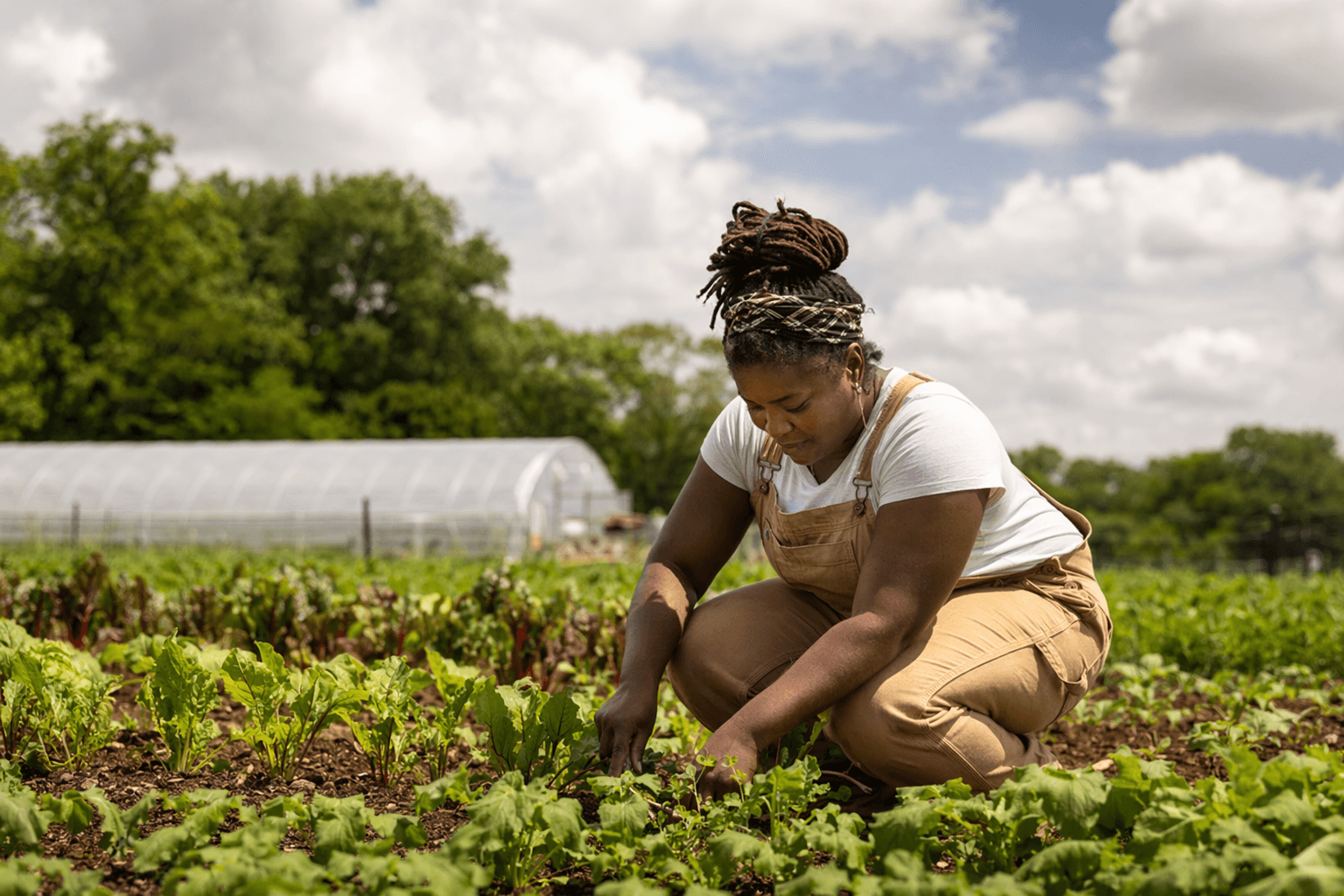
The district also says residents start urban farms for two main reasons: to grow healthy food for underserved communities and to generate supplemental income. Those goals are closely linked. A small farm that can sell well enough to survive is more likely to stay in business, and a farm that stays in business is more likely to keep food flowing into neighborhoods that are often served by distant distributors and conventional grocery chains.
The county’s urban-agriculture advocates also connect these farms to broader public benefits: economic development, community engagement, recreation, better soil and water conservation, stormwater reduction, carbon sequestration, and reduced urban heat. That is why the incubator belongs in a land-use conversation as much as a food-policy one. A farm plot can shape runoff, neighborhood access to fresh food, and the viability of a local business at the same time.
Part of a longer county push
The incubator did not appear out of nowhere. It fits into a longer county effort that includes Bloomin’ PGC, an urban agriculture initiative launched in 2016 by the Prince George’s County Food Equity Council with partners including the Prince George’s Soil Conservation District, University of Maryland Extension, and ECO City Farms. The through line is clear: local leaders have been working for years to make urban farming more than an informal hobby or a one-off community garden.
Policy has also moved in the same direction. The Soil Conservation District says urban agriculture is allowed by right in most residential, commercial, and industrial zones in Prince George’s County after a series of urban-farming legislative changes. That is a significant shift for a county where land-use rules shape what kinds of food businesses can open, where they can operate, and whether they can stay long enough to become stable employers and suppliers.
For a county that wants more local food production, those zoning rules are not a side note. They determine whether farms can be placed near the people they serve, whether small growers can expand without constant zoning fights, and whether agriculture can exist as a normal part of suburban development rather than an exception to it.
What real-world success looks like
The clearest test of the incubator is not the ribbon cutting. It is whether farmers can move from a plot at Watkins Regional Park to durable businesses and reliable sales. A 2025 application notice shows how the county is trying to build that pipeline: it invited graduates of beginner farmer training programs and experienced farmworkers in Prince George’s County to apply for half-acre or quarter-acre plots.
That scale matters. A half-acre or quarter-acre can be enough to prove a concept, develop production discipline, and build relationships with buyers without taking on the full cost of a standalone farm. It also gives county partners a way to see which growers can translate training into production and which business models can actually hold up.
Love Bug Farm offers one concrete example. It started in 2022 with a half-acre plot at the incubator and now distributes much of its produce free through the Capital Area Food Bank, faith-based organizations, and schools. That arrangement shows how a farm can serve both business and access goals, even when a large share of output is moving through charitable and community channels rather than conventional retail.
Why this story matters beyond the park
Prince George’s County is not short on land-use debates, but the incubator shows how those debates can be tied to the daily question of who eats well and who gets a chance to build wealth. Fresh food access is usually discussed as a health issue. In this case, it is also an entrepreneurship issue, a zoning issue, and a workforce issue.
The county’s challenge is not only to grow more produce. It is to make sure more residents can become growers, more growers can become viable businesses, and more neighborhoods can get produce from nearby rather than from long supply chains. At Watkins Regional Park, Prince George’s County is trying to prove that a small patch of land can change more than a harvest. It can help redefine who gets to own part of the local food economy.
This article was produced by Prism’s automated news system from verified source data, official records, and press releases, then run through automated quality and moderation checks before publishing. The system is built and supervised by the people who set the standards it runs under. Read our full AI policy.
Did this article answer your question?