Prince George’s County joins lawsuit to protect Beltsville research center
Prince George’s County has joined a lawsuit to stop USDA from closing BARC, where leaders say roughly 1,000 local jobs and more than 6,500 acres are at stake.
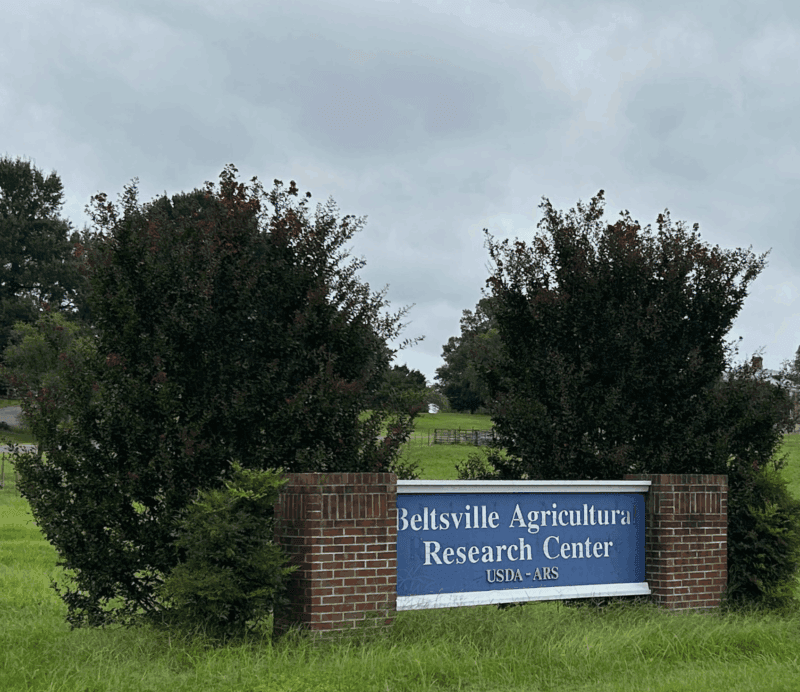
Prince George’s County has joined a coalition lawsuit over the future of the Beltsville Agricultural Research Center, putting one of the county’s largest federal campuses at the center of a fight over jobs, land control and the future of research in Beltsville.
Prince George’s County says the U.S. Department of Agriculture’s move to shut down BARC and relocate staff outside Prince George’s County is unlawful. County leaders are going to court to protect the local economy, the workers tied to the center and the research mission that has made BARC a national asset for food safety, human nutrition and livestock genetics.

County Executive Aisha Braveboy said BARC has been in Prince George’s County for more than 115 years and warned that roughly 1,000 jobs at the center and in the surrounding community could be lost if the facility is permanently closed. Braveboy said, “A significant portion of Prince George’s County’s economy has grown around BARC,” underscoring how deeply the campus is tied to nearby businesses and households.
BARC is a USDA Agricultural Research Service complex and one of the world’s largest agricultural research complexes. Property records put the campus at more than 6,500 acres with about 600 active and non-active buildings and structures. Maryland environmental records trace the site back to 1910, when USDA bought a 475-acre farm that later expanded to about 6,600 acres. USDA named the center for former Agriculture Secretary Henry A. Wallace on June 6, 2000.
Maryland’s attorney general and members of the congressional delegation argue that Congress required USDA to keep BARC open in the Fiscal Year 2026 Agriculture Appropriations Act, enacted Nov. 12, 2025. A June 2026 congressional letter put the share of public comments USDA received on the Beltsville closure that opposed it at 92%.
This article was produced by Prism’s automated news system from verified source data, official records, and press releases, then run through automated quality and moderation checks before publishing. The system is built and supervised by the people who set the standards it runs under. Read our full AI policy.
Did this article answer your question?