Prince George's County Launches Early Connections Campaign for Autism Awareness
Council Chair Oriadha's struggle to find help for her own son drove Early Connections, targeting autism screening by 18 months in a system where 61% of specialty centers have 4-month-plus waits.
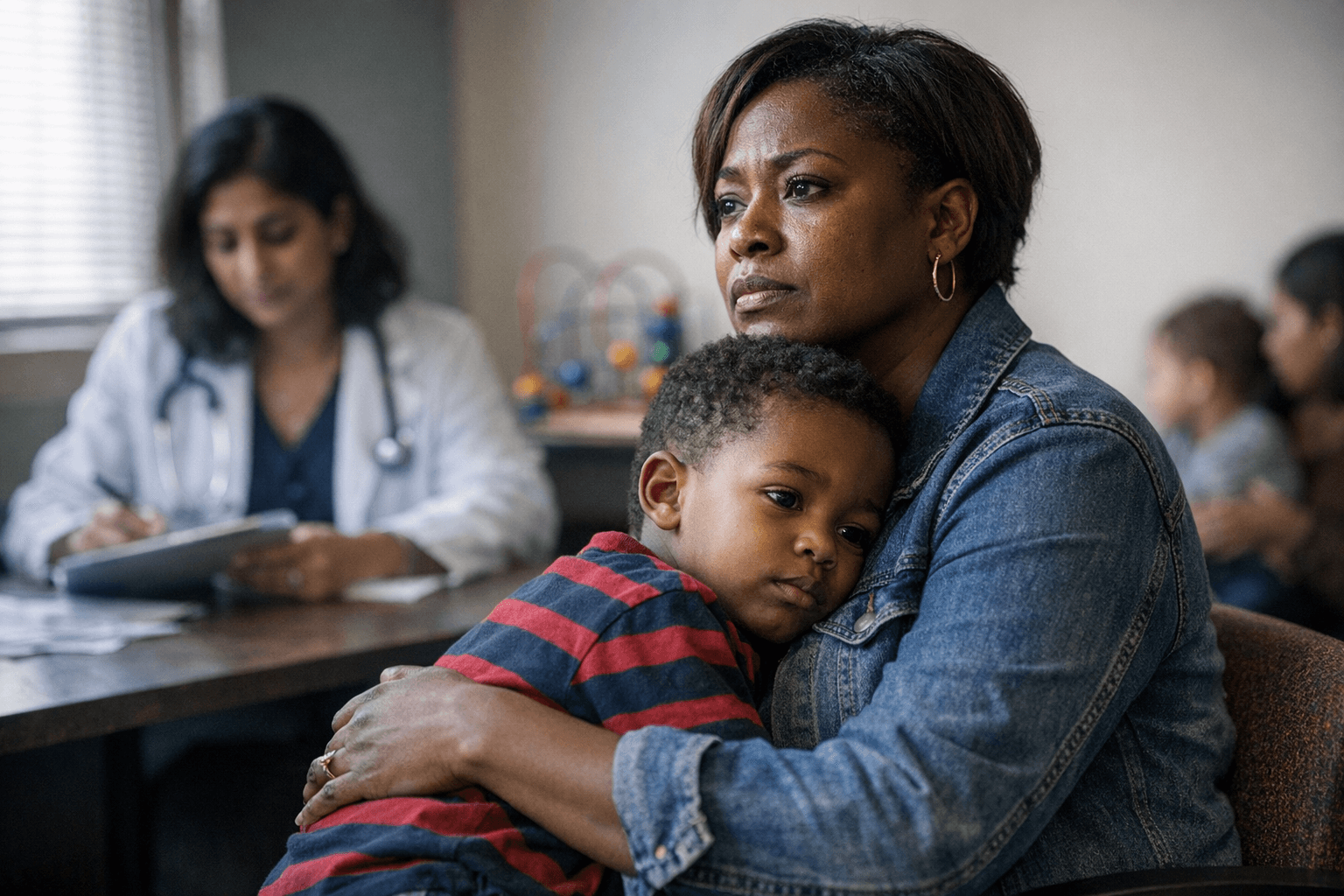
The gap is measurable and damning: reliable autism diagnosis is possible as early as 18 months, yet the CDC's most recent developmental surveillance puts the national median age of first diagnosis at 47 months. For Prince George's County families navigating a system where nearly half of autism specialty centers nationally reject Medicaid patients outright, that 29-month window of missed intervention is not a statistic; it is a developmental trajectory.
Council Chair Krystal Oriadha knows it firsthand. When her young son began showing developmental differences, she struggled to locate resources within a county system she co-governs. That experience, which she described in the campaign's launch materials as the personal motivation behind the initiative, drove her to partner with County Executive Aisha N. Braveboy on Early Connections, formally unveiled April 1, the first day of World Autism Month.
The campaign sets two clinical benchmarks as its organizing targets: screening by 18 months and full evaluation by 24 months whenever developmental delays are suspected. Those numbers confront a national supply crisis head-on. A Centers for Medicare and Medicaid Services survey found 61 percent of autism specialty centers had waits exceeding four months, with 15 percent reporting waits beyond a year or waitlists closed entirely. Nearly half of those centers did not accept Medicaid, a barrier with particular weight in Prince George's County's lower-income and immigrant communities, where fragmented care and language access gaps already slow the path from concern to diagnosis.
Early Connections is built as a navigation architecture across multiple county systems rather than a single new clinic. The County Health Department, the Memorial Library System, and clinical nonprofit partners form the referral and outreach spine of the effort. Dr. Brandi Walker of V.O.I.C.E. for Neurodiversity, Dr. Joy Davis of High Quality Nursing Care, and Dr. Toyin Opesanmi of the County Health Department joined Braveboy, Oriadha, Dr. Mark Winston of the Memorial Library System, and a family with lived experience at the April 1 launch. The model intentionally expands access points beyond the specialist's office: library branches and pediatric clinics are positioned as first stops for information and referral, addressing the community navigation barrier before families hit the diagnostic waitlist.
Braveboy has framed the cost argument bluntly: late diagnoses raise both the severity of a child's unmet needs and the county's long-term expense in meeting them. Officials described early screening as an "act of love" at the launch, casting the public health case in personal terms for parents uncertain whether their concern warrants a referral.
What Early Connections has not yet published is the data that would make accountability possible: specific targets for days-to-first-screening, the number of children it expects to enroll in early intervention within year one, and whether families in historically underserved zip codes are actually reaching evaluations faster. The referral workflows inside the Health Department, library-based outreach, and embedded nonprofit partners create the infrastructure to collect those numbers. Whether the county publishes them will determine whether Early Connections rewires a broken access pipeline or becomes a well-intentioned awareness month.
This article was produced by Prism’s automated news system from verified source data, official records, and press releases, then run through automated quality and moderation checks before publishing. The system is built and supervised by the people who set the standards it runs under. Read our full AI policy.
Did this article answer your question?