Prince George's County launches Pastport to History for 2026 sites
Prince George’s 2026 Pastport turns county history into a free family outing, with stops from Glenn Dale to Laurel and a drawing for two free trips.
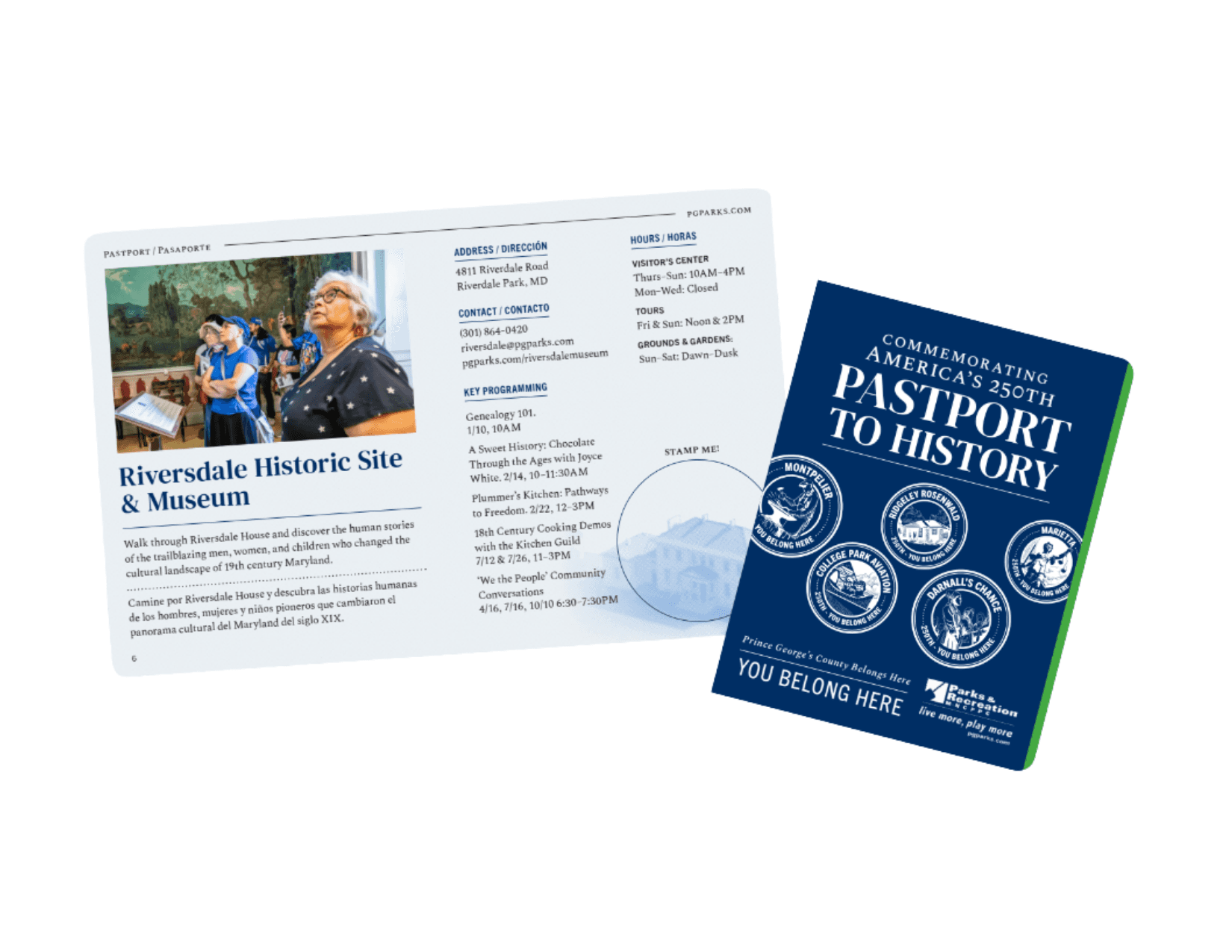
Prince George’s County Parks and Recreation is using its 2026 Pastport to History program to pull residents into museums and historic sites from Glenn Dale to Laurel without paying admission at every stop. The county says people who turn in their Pastport will be entered to win one of two free trips for two to a National Trust for Historic Preservation site of their choice.
The county’s event page runs from Jan. 1 through Dec. 31, 2026 as part of “Commemorating America’s 250th.” Its Pastport message urges visitors to “travel through time and discover the real stories of the people who built and shaped Prince George’s County,” while the History page frames the program as a way to “Explore, Discover, and Learn the Lived Experiences of Prince Georgians!”
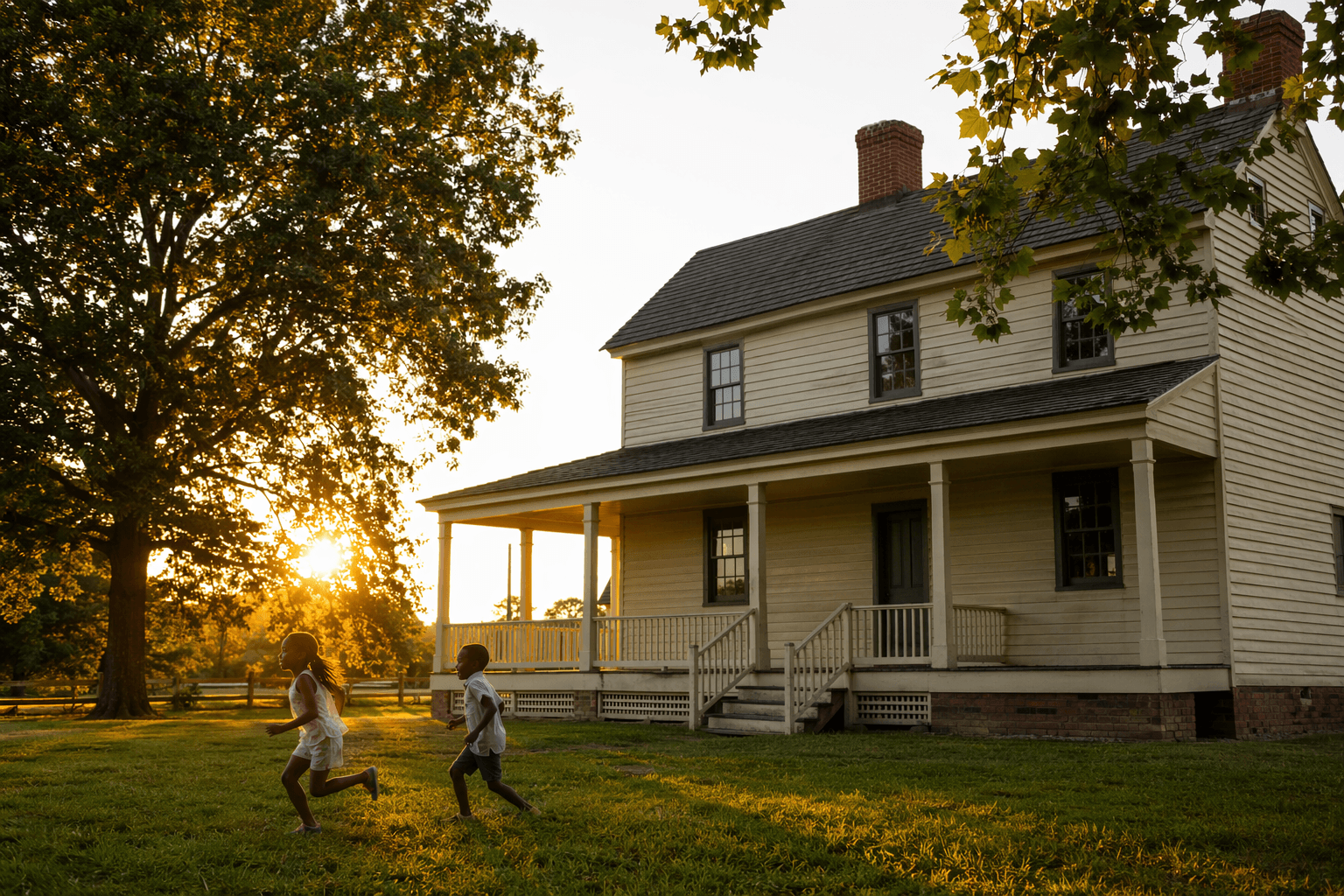
The county is tying the program to an existing network of historic properties rather than a one-off promotion. At Darnall’s Chance Historic Site & Museum, the county says visitors can “explore exhibits, programs, and tours - all for FREE.” The same county system includes Marietta Historic Site & Museum at 5626 Bell Station Rd. in Glenn Dale, Montpelier Historic Site & Museum at 9650 Muirkirk Road in Laurel, Riversdale Historic Site & Museum and Ridgeley Rosenwald School Historic Site & Museum.
That lineup gives families a practical way to see how much of Prince George’s history is still anchored in specific places. Marietta and Montpelier sit in parts of the county many drivers pass on the way to Route 301, the Beltway or the retail corridors of Bowie and Laurel, yet the sites point to older stories of farming, plantations, Black schooling and local households that shaped the county long before its modern suburbs filled in around them.
The selection also raises the question of which stories Prince George’s chooses to place at the center of its public history. The county’s passport route clearly elevates preserved houses, estates and a Rosenwald school, with fewer visible touchpoints for Indigenous history, labor history or newer immigrant communities that also define the county today. That mix matters in a county where identity is built as much by what gets remembered as by what gets built.
The Pastport idea is not new in Prince George’s. Archived tricentennial materials say the original Passport To History was created for the county’s 300th anniversary celebration, which covered 1696 to 1996 and ended that year. The archive describes it as an “extensive trip through history - without leaving the county!” and says the tricentennial kickoff ceremony was held at Watkins Regional Park in November 1995. The 2026 version picks up that same countywide logic, turning heritage sites into a free route through Prince George’s past.
This article was produced by Prism’s automated news system from verified source data, official records, and press releases, then run through automated quality and moderation checks before publishing. The system is built and supervised by the people who set the standards it runs under. Read our full AI policy.
Did this article answer your question?