Prince George's County recognizes July as Disability Pride Month
Prince George’s County marks Disability Pride Month with a policy pledge, but its own listening sessions show housing, work and transit still drive complaints.
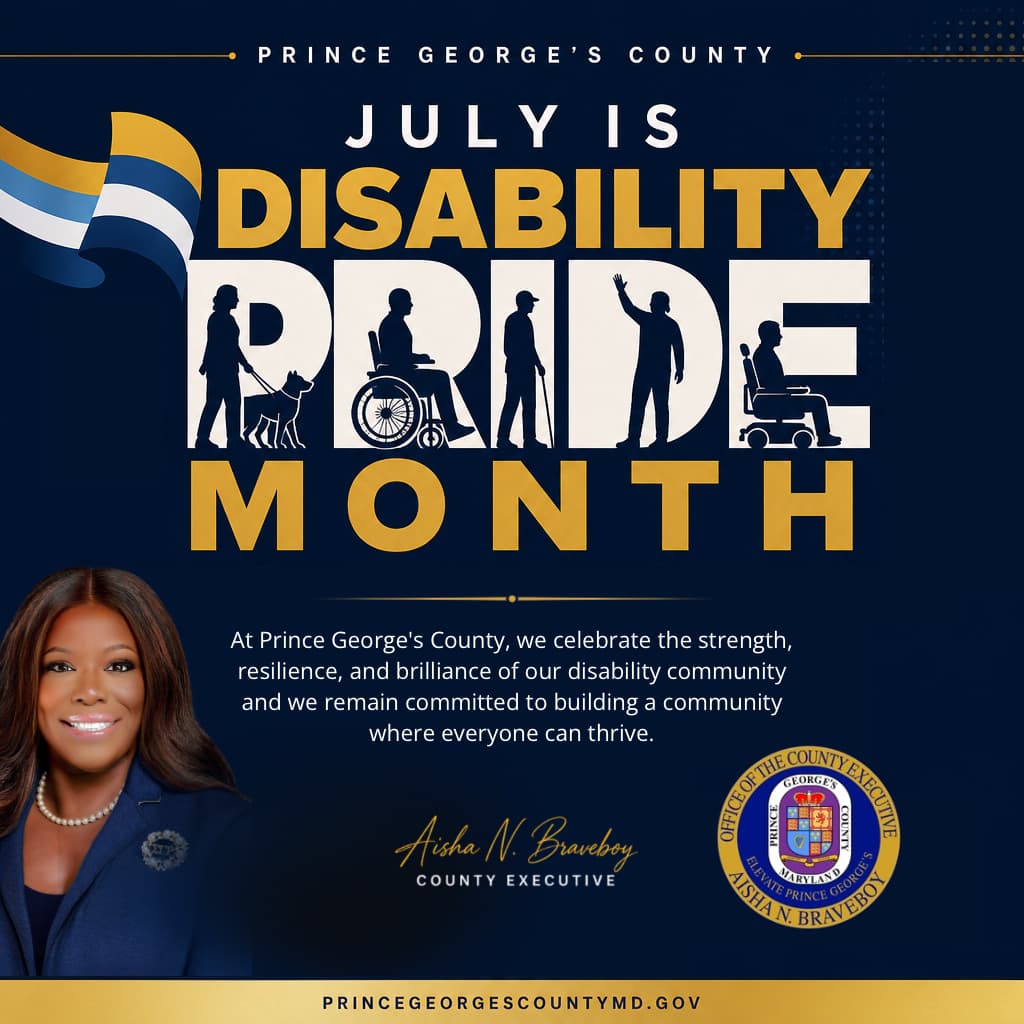
Prince George’s County is using Disability Pride Month to restate a basic promise: county government says it will fully comply with the Americans with Disabilities Act and bar discrimination against people with disabilities in county employment, services, activities and programs.
The recognition lands in a county with a long disability infrastructure behind it. The Prince George’s County Commission for Individuals with Disabilities was founded in 1986 to bring together businesses, residents and government to discuss and resolve disability issues. County services also include Disability Information and Referral, which provides help locating local and metropolitan resources, and the Aging and Disabilities Services Division, which the county describes as a first resource for older adults and families.
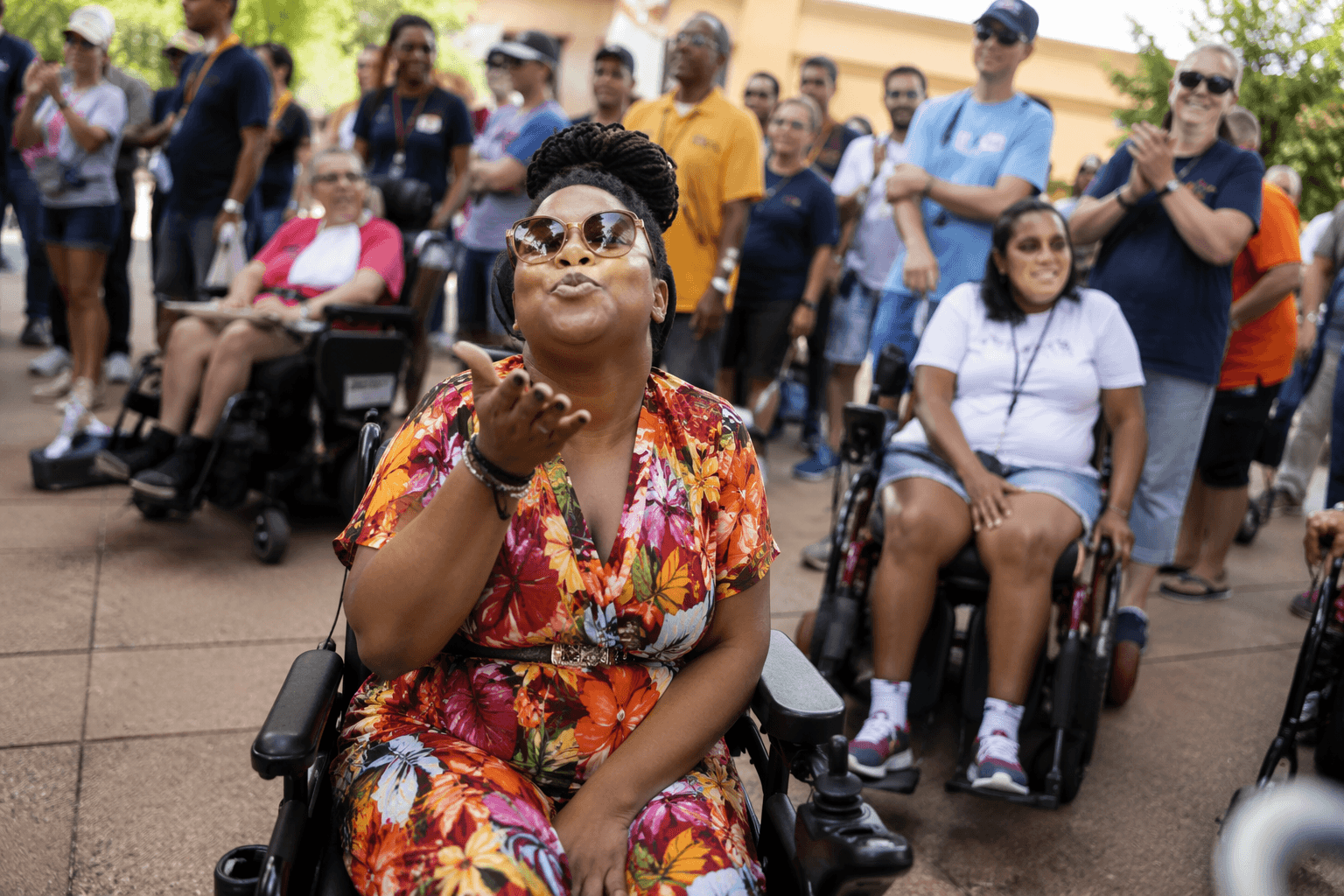
Disability Pride Month is observed in July because the Americans with Disabilities Act was signed on July 26, 1990. National disability advocates frame the month as both a celebration of disability identity and a push for full inclusion, and Prince George’s County has tied its own observance to that same standard of access.
The county’s public messaging comes with a local test attached. In 2023, the Commission for Individuals with Disabilities and the Department of Family Services held listening sessions to identify barriers in education, employment, transportation, healthcare, housing, arts and recreation, and interactions with first responders. Those are the places where residents said access still breaks down, from school buildings to bus stops to front doors.
Housing and work stayed central in a later annual community listening session that was scheduled for Sept. 17, 2025, at St. Mark’s Church in Hyattsville. County materials for that session used the theme “Disability Rights Are Human Rights: Advancing Disability Inclusion in Work and Housing,” and the county said ASL, CART and Spanish language translation would be available.
The stakes are high in a county that is the second-most populous in Maryland, with more than 955,000 residents in the 2023 American Community Survey. A compiled county disability estimate places the number of residents with a disability at 96,048, or 10.1 percent of the population, a reminder that accessibility is not a narrow issue on the margins of county government.
County leaders, including Executive Aisha N. Braveboy, have continued to pair pride-month recognition with public-facing accessibility and engagement materials. The harder question is whether those promises are being matched by practical changes in transit, buildings, digital services, schools and housing, the very barriers residents raised in county listening sessions.
This article was produced by Prism’s automated news system from verified source data, official records, and press releases, then run through automated quality and moderation checks before publishing. The system is built and supervised by the people who set the standards it runs under. Read our full AI policy.
Did this article answer your question?