Prince George’s County seniors find health and friendship in walking club
A free walking club has become a 12-year anchor for Prince George’s County seniors, blending exercise, routine, and friendship in public parks.
A park-based routine that outlasted the challenge
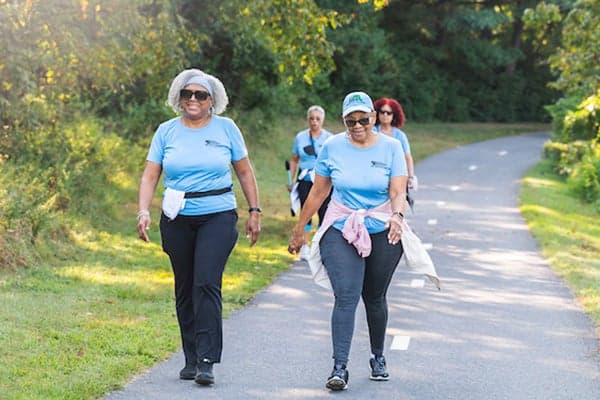
Every week, about 100 Prince George’s County seniors gather at county parks for Club 300, a walking program that has quietly grown into a lasting source of health and companionship. What began 12 years ago as a walking challenge has become a free, year-round habit with staying power, proof that small, repeated movements can build something much larger than fitness alone.
The club’s story matters because it shows how aging well often depends on more than clinic visits or prescriptions. It depends on accessible sidewalks, welcoming green space, and programs that help people return again and again. In a county as large and diverse as Prince George’s, that kind of consistency can be as important to well-being as the walk itself.
How Club 300 works
Club 300 is a free senior walking program sponsored by the Maryland-National Capital Park and Planning Commission’s Department of Parks and Recreation, Special Programs Division’s Senior Services Unit. PG Parks says the program began as a virtual walk across Maryland, one mile at a time, for a total of 300 miles. That simple challenge became a lasting county tradition.
The program now runs year-round. According to PG Parks, members meet weekly on Monday mornings from April through November, then once per month from December through March. The structure matters. A predictable schedule gives older adults something to plan around, and for many seniors, routine is part of what makes healthy behavior sustainable.
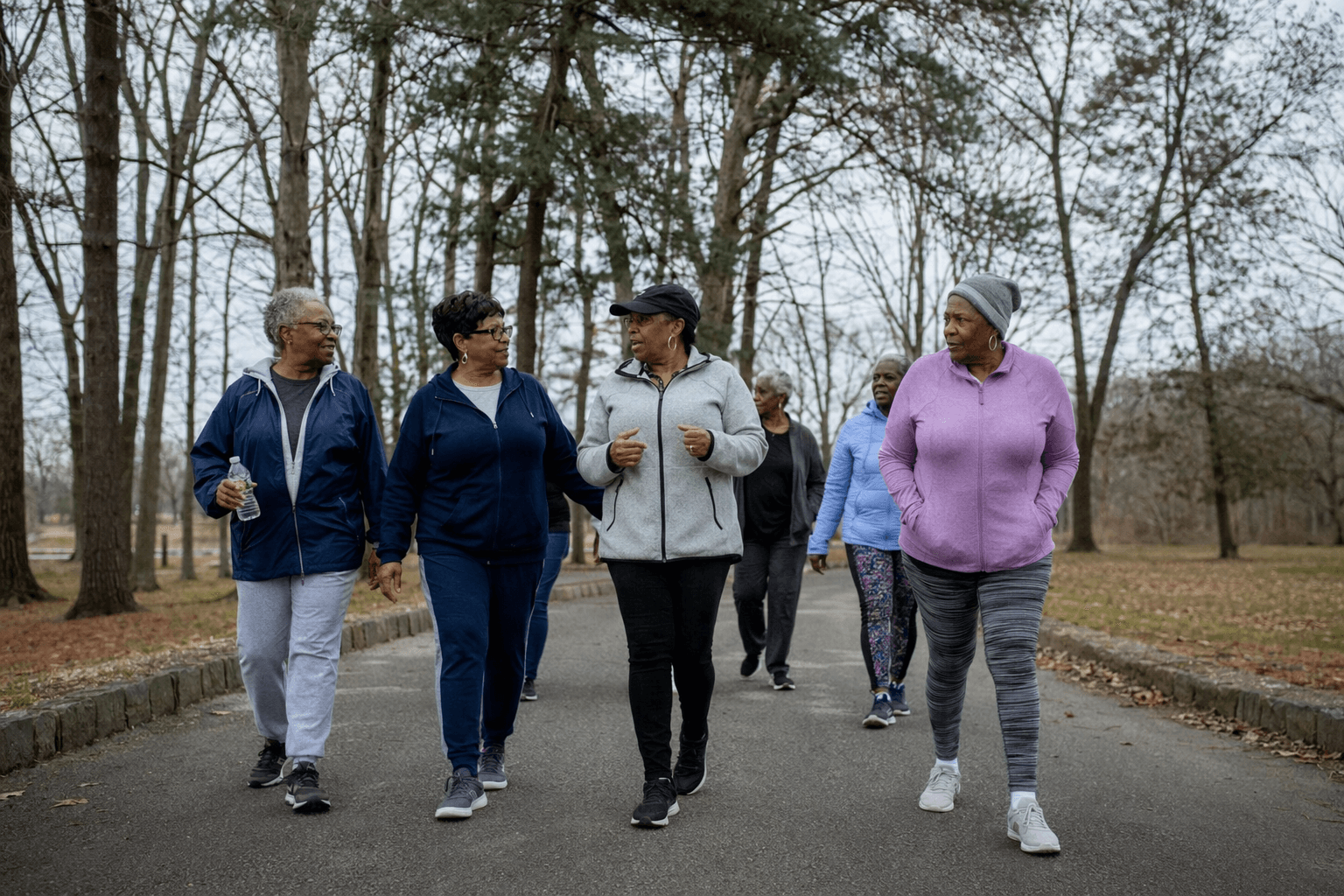
The club is also built around a social purpose. PG Parks says it is meant to help participants meet new friends and experience different trails in Prince George’s County. That combination of movement and connection is central to its appeal. People are not just logging steps, they are building relationships in places they can keep returning to.
Why the model lasts
Club 300 has endured because it solves several problems at once. It makes exercise low-cost, keeps it close to home, and turns public parks into familiar gathering places instead of one-time destinations. NBC4 Washington reported that roughly 100 seniors gather each week, which suggests the program has become a dependable social anchor, not just a fitness activity.
Several features help explain why it works:
- It is free, removing a major barrier for older adults on fixed incomes.
- It is county-backed, which gives it structure and visibility.
- It meets in parks, where trails and open space support walking without requiring special equipment.
- It is seasonal but consistent, with a schedule that participants can build into their month.
- It emphasizes friendship as much as exercise, which helps people keep showing up.
That mix is especially important in a county where older adults need more than a wellness brochure. They need programs that are easy to access, easy to trust, and easy to repeat.
A county that is aging, and needs programs like this
Prince George’s County’s 2024 Senior Resource Guide says older adults make up 21.5% of the county population based on the latest American Community Survey data. County planning data also shows the median age rose from 34.6 in 2010 to 37.8 in 2021. Those figures point to a simple reality: Prince George’s is aging, and public health planning has to meet that change with practical support.
That is where programs like Club 300 fit into the broader picture. The county’s Aging and Disabilities Services Division serves as the local Area Agency on Aging, and county health and aging resources say the county works with the Maryland-National Capital Park and Planning Commission and other partners on health promotion and disease prevention programs for older adults. The Aging and Disabilities Resource Center also serves as a single point of entry for seniors and families looking for services.
Taken together, those systems show that aging well is not only a personal goal. It is a public responsibility that depends on parks, planning, transportation access, and outreach that meets seniors where they already are.
Where the walking happens
Recent PG Parks listings show Club 300 events at Watkins Regional Park and Fairwood Community Park, which underscores that the program remains active and publicly promoted. Those are the kinds of spaces that make a difference in a county this large, because they give residents recognizable places to gather without needing to travel far or pay to participate.
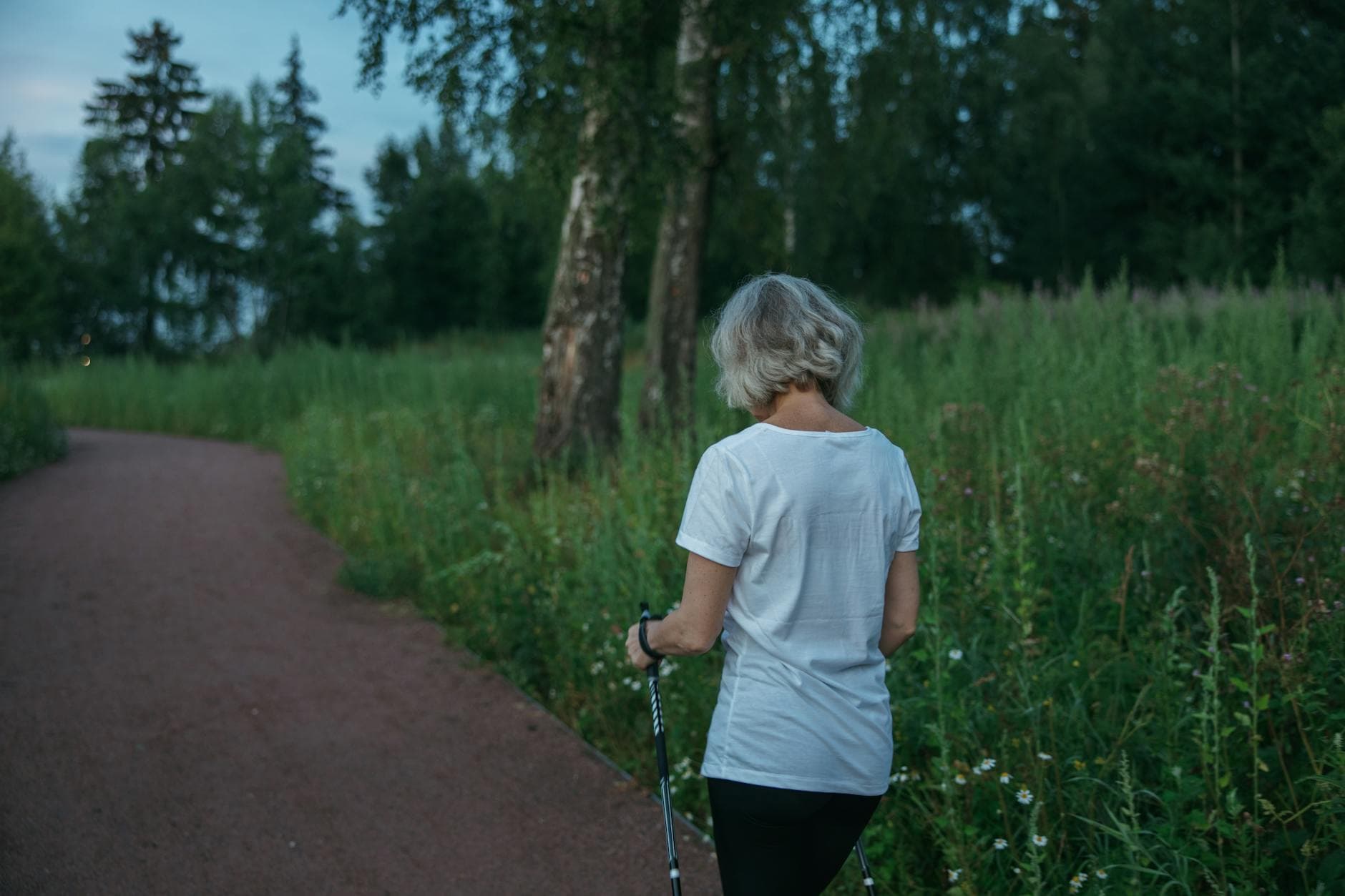
That visibility matters for equity, too. Senior wellness programs work best when they are not hidden behind a narrow network of referrals or expensive membership models. When county parks host the program and county agencies help promote it, the result is a public option that more residents can realistically use.
What other older adults can look for, or build
Club 300 offers a practical blueprint for anyone hoping to create a low-cost wellness group for older adults. The formula is not complicated, but it is disciplined. It depends on regularity, welcoming leaders, and a location people can reach without much hassle.
A strong community walking program usually starts with:
- A free or very low-cost format
- A predictable day and time
- A public park, trail, or accessible meeting place
- A welcoming purpose, such as walking for health and conversation
- Support from a county agency, recreation department, faith community, or civic group
- A clear contact point so people know how to join and where to go
For Prince George’s County residents looking for existing options, county parks and aging services are the most natural places to start. The county’s senior resources, the Aging and Disabilities Resource Center, and PG Parks programming are all built to connect older adults with wellness and support.
A simple idea with lasting public value
Club 300 shows that public health does not always arrive in dramatic form. Sometimes it looks like a steady Monday morning walk, a familiar path through a county park, and the same group of seniors choosing to keep moving together. In Prince George’s County, that kind of routine is not just a feel-good story. It is a durable model for healthier aging, stronger social ties, and a county that makes room for older adults to keep building their lives in public spaces.
Know something we missed? Have a correction or additional information?
Submit a Tip