Prince George's eases vehicle recovery after ICE detentions
Prince George’s County now lets more families recover cars impounded after ICE detentions, and police must notify registered owners even if they are in custody.
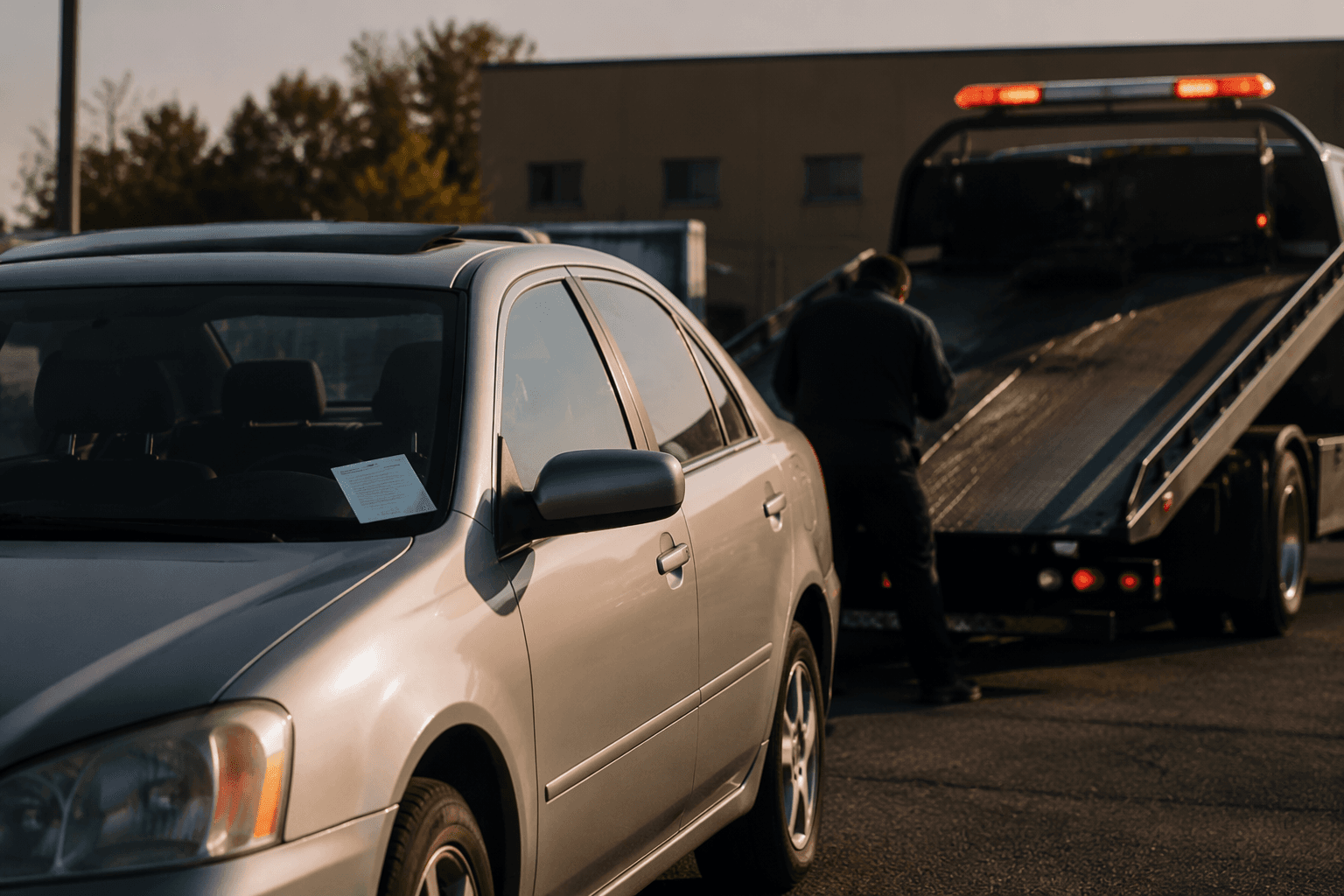
Prince George’s County made it easier for families to get back cars impounded after an ICE detention, a change aimed at keeping a custody arrest from turning into a second financial hit. The County Council approved the legislation on July 19, and one part of the measure requires police to notify registered owners when a vehicle is impounded, even if that owner is in custody.
The update addresses a practical problem that can hit hard in Prince George’s, where a car is often the link to work, school pickups and medical appointments. When ICE detains a driver, the vehicle can sit in impound while the owner cannot act quickly to retrieve it, leaving relatives to navigate the process and absorb added costs.

The new rules come after a series of county actions in 2026 meant to curb ICE’s local footprint. In March, county bills were introduced to limit ICE impact. In April, county officials passed measures restricting ICE activity, including banning face covers and limiting the use of public property. County Chair Krystal Oriadha has been among the loudest voices behind that effort, saying, “ICE and their terrorist tactics have no place in Prince George's County.”
The vehicle-recovery change also follows a June story that laid out what happens to a car when ICE arrests someone, and it mirrors a similar move in Montgomery County. There, the County Council passed the Vehicle Recovery Act on April 28 to reduce barriers for family or household members trying to recover a detained person’s vehicle.
For Prince George’s residents, the key question is no longer whether a car can be trapped in the system after an ICE arrest. The question is how fast a spouse, relative or other authorized person can now get it back before towing and storage costs pile up. The county’s new procedures are designed to shorten that gap, but the burden of proving ownership, finding the right office and acting quickly still falls on the family left behind.
This article was produced by Prism’s automated news system from verified source data, official records, and press releases, then run through automated quality and moderation checks before publishing. The system is built and supervised by the people who set the standards it runs under. Read our full AI policy.
Did this article answer your question?