Prince George's Parks Offer Recreation, Trails and Community Spaces
Prince George's County maintains a network of parks and trails that provide river access, lakeside walks, playgrounds, sports fields, and seasonal events that draw residents across the county. Understanding park amenities, permit rules, and county stewardship matters for daily recreation, local quality of life, and civic oversight.
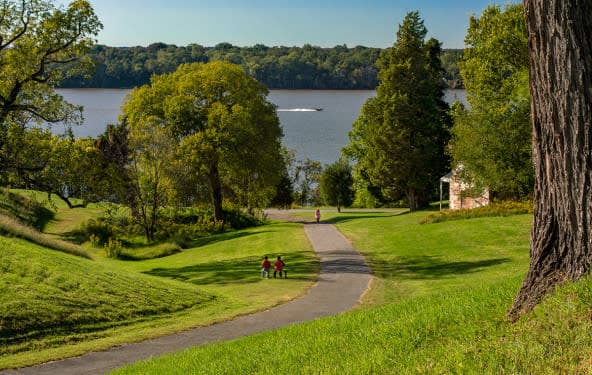
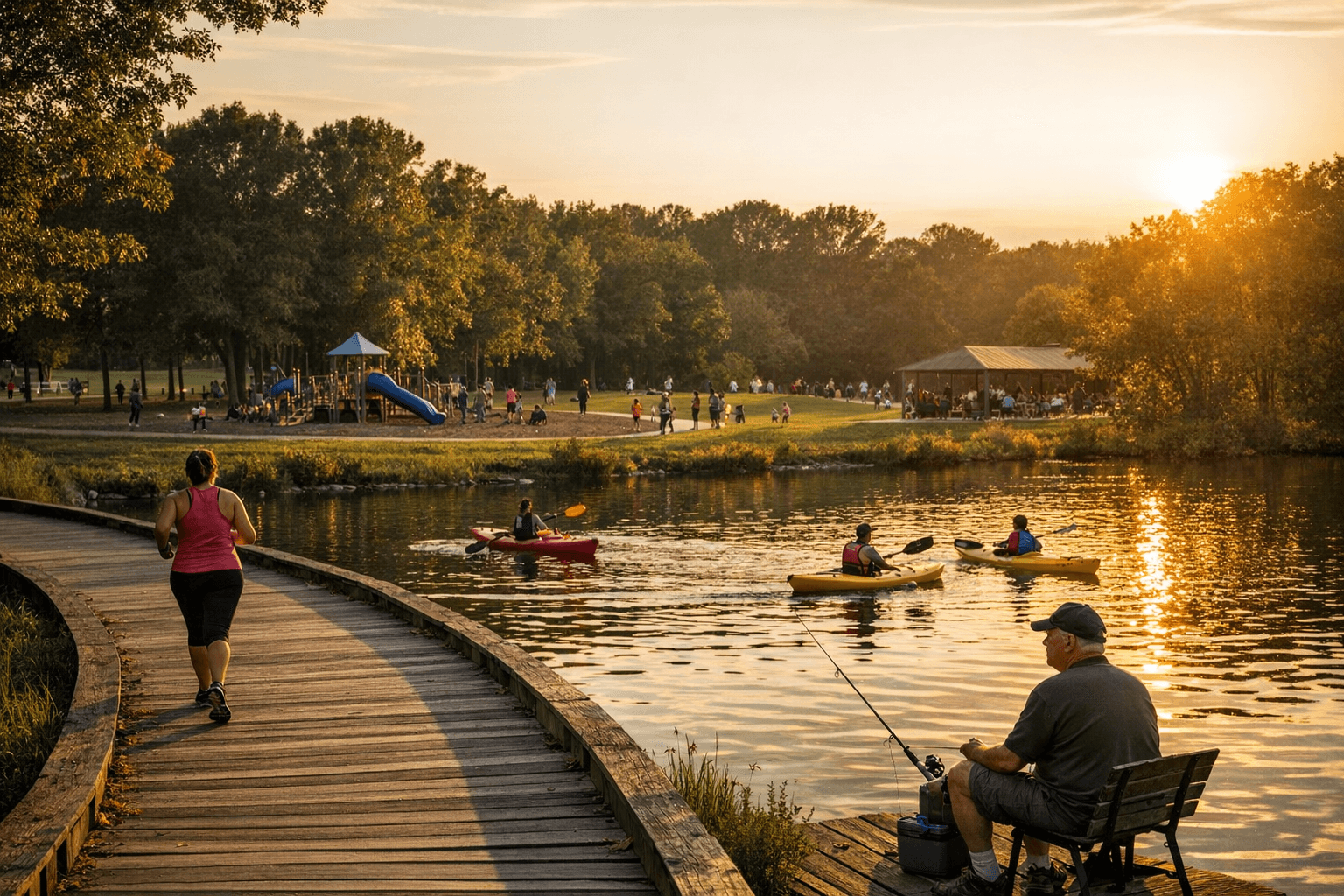
Prince George's County is home to a diverse system of outdoor attractions that serve families, athletes, nature enthusiasts, and community groups. Watkins Regional Park in Upper Marlboro combines family attractions, picnic areas, walking trails and the National Capital Trolley Museum, and it hosts seasonal events and holiday light displays. Patuxent River Park and the Patuxent River trails offer river access, fishing, paddling put ins and multi use trails that are popular for birding and nature outings. Lake Artemesia near College Park features an urban lake with a boardwalk, fishing, a walking loop and connections to nearby trail networks. The Northwest Branch Trail and the Anacostia tributary trail system provide long multi use corridors for walking, running and biking that link neighborhoods in Langley Park, Hyattsville and College Park to regional trails. Local green spaces in the Watkins, Meadowbrook and Washington Monument areas include playgrounds, athletic fields and community programming. In warmer months Prince George's Stadium grounds and surrounding open spaces in Bowie host sports and other community events.
These public spaces are not only recreational assets, they are civic assets that intersect with county policy on land use, maintenance funding, and public access. Residents who rely on parks for exercise, commuting and family outings should be attentive to how the county sets hours, issues permits for large groups and schedules seasonal programming. The county parks website, pgparks.com, is the official source for hours, permit requirements, event calendars and parking guidelines. Trail users are advised to bring water, dress for local weather and follow posted trail rules, including leash laws and conservation practices.
There are governance implications for equity and accountability. Decisions about staffing, capital repairs and programming affect neighborhoods differently and are shaped by county budgets and public input. Residents can influence outcomes by using permit processes, participating in public meetings, reporting maintenance needs and voting in local elections where park funding and planning are decided. Everyday stewardship of trails and green spaces depends on transparent county practices and active civic engagement by the communities that use them.
This article was produced by Prism’s automated news system from verified source data, official records, and press releases, then run through automated quality and moderation checks before publishing. The system is built and supervised by the people who set the standards it runs under. Read our full AI policy.
Did this article answer your question?