Prince George’s schools push to improve reading comprehension, literacy rates
About a third of Prince George’s third graders read at grade level, putting pressure on PGCPS as it leans on new literacy supports and state mandates.
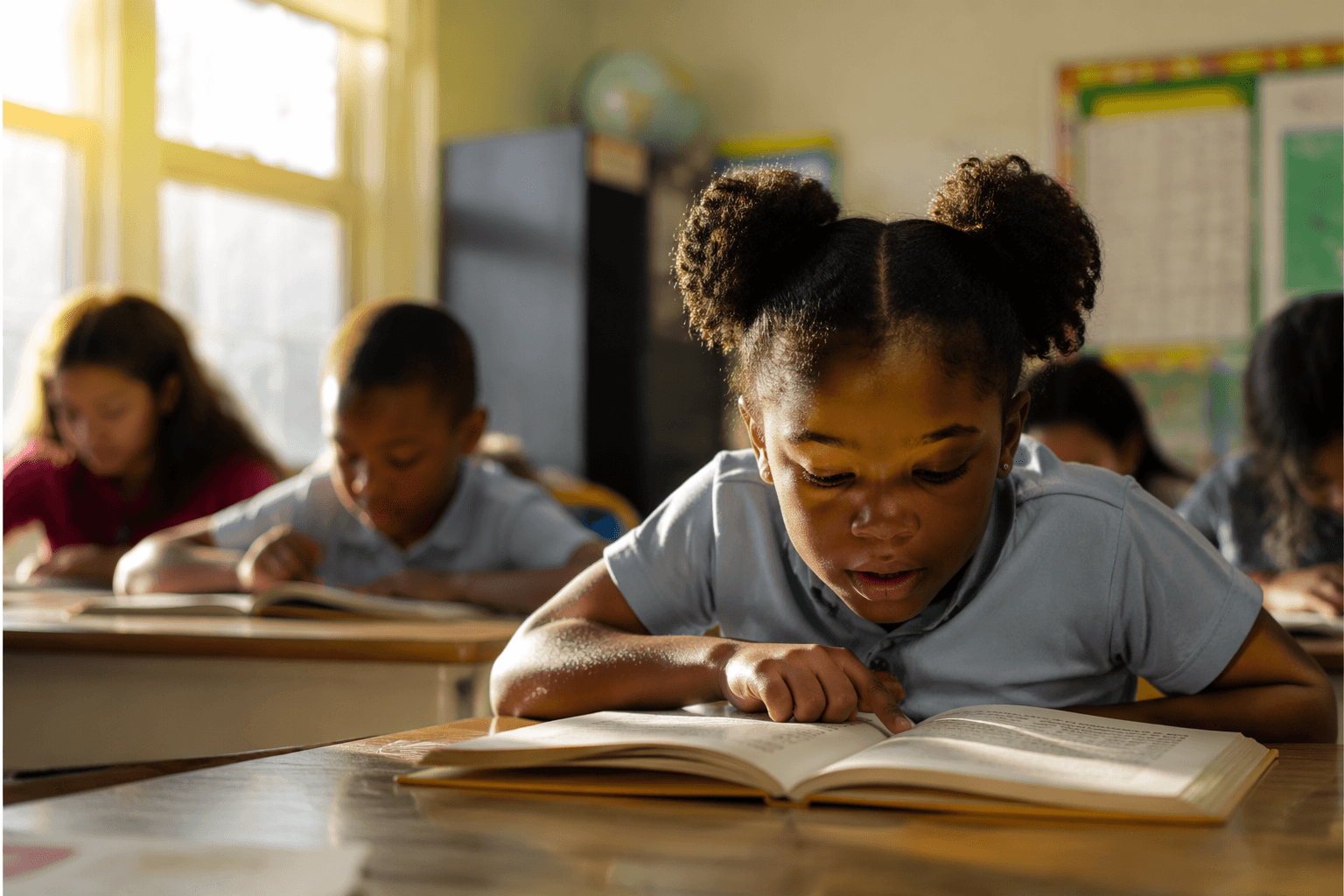
Prince George’s County education leaders are trying to raise reading comprehension at the point where the stakes are easiest for families to see: about a third of the county’s third graders are reading at grade level. That means thousands of students are entering upper elementary school without the skills they need for math word problems, science passages and standardized tests.
Prince George’s County Public Schools is making the push inside one of the largest systems in the country. PGCPS says it is the 18th largest school system in the United States, the second largest in Maryland, and it serves 200 schools and centers with a $2.3 billion annual budget and more than 20,000 employees.
The district’s response is centered on literacy and comprehension, not just sounding out words. PGCPS already points families to Reading and English Language Arts resources for grades PreK-5, including ABCYA, the Florida Center for Reading Research and myON, and the district’s literacy policy page ties its work to the Maryland State Department of Education’s PreK to Grade 3 Literacy Policy. That signals a focus on early intervention, classroom practice and parent access to reading supports.
The pressure on the district is not coming from one school building. It is countywide, and the state is watching. The Maryland State Department of Education and the Accountability and Implementation Board completed a literacy evaluation across all 24 Maryland local school systems, including Prince George’s County Public Schools, as part of a wider review of instruction. That places PGCPS within a broader statewide push to use the science of reading and the Ready to Read Act to improve early literacy.

For families, the most useful benchmark is whether the third-grade reading share moves quickly, because third grade is the point when students are expected to shift from learning to read to reading to learn. If the district’s strategies are working, parents should see more students reading at grade level in the next round of state assessments, stronger performance in classrooms across grades PreK-5 and fewer students needing repeated remediation as they move into upper elementary and middle school.
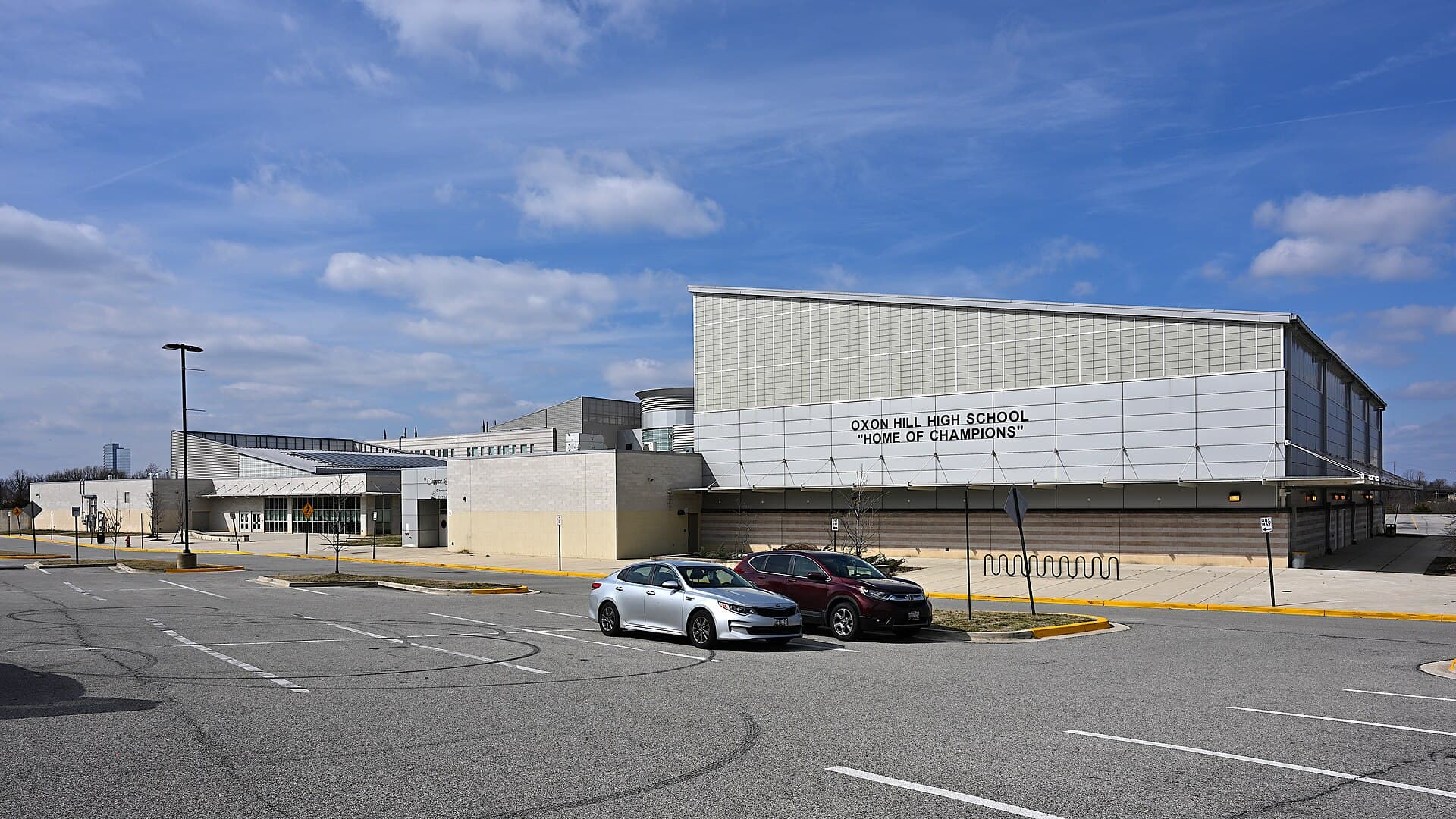
Lexia Learning says PGCPS’s 2023-2024 Core5 Reading supplemental instruction results on key state assessments can serve as a model for other districts trying to close reading gaps. That makes the coming school year a test of whether Prince George’s can turn literacy resources, policy and supplemental instruction into higher comprehension scores for students from Upper Marlboro to District Heights.
This article was produced by Prism’s automated news system from verified source data, official records, and press releases, then run through automated quality and moderation checks before publishing. The system is built and supervised by the people who set the standards it runs under. Read our full AI policy.
Did this article answer your question?


