Seven illegal car rallies broken up across three Maryland counties
Law enforcement broke up seven illegal car rallies Jan. 5; four people were arrested. The coordinated response aimed to reduce roadway risks for Prince George's residents.

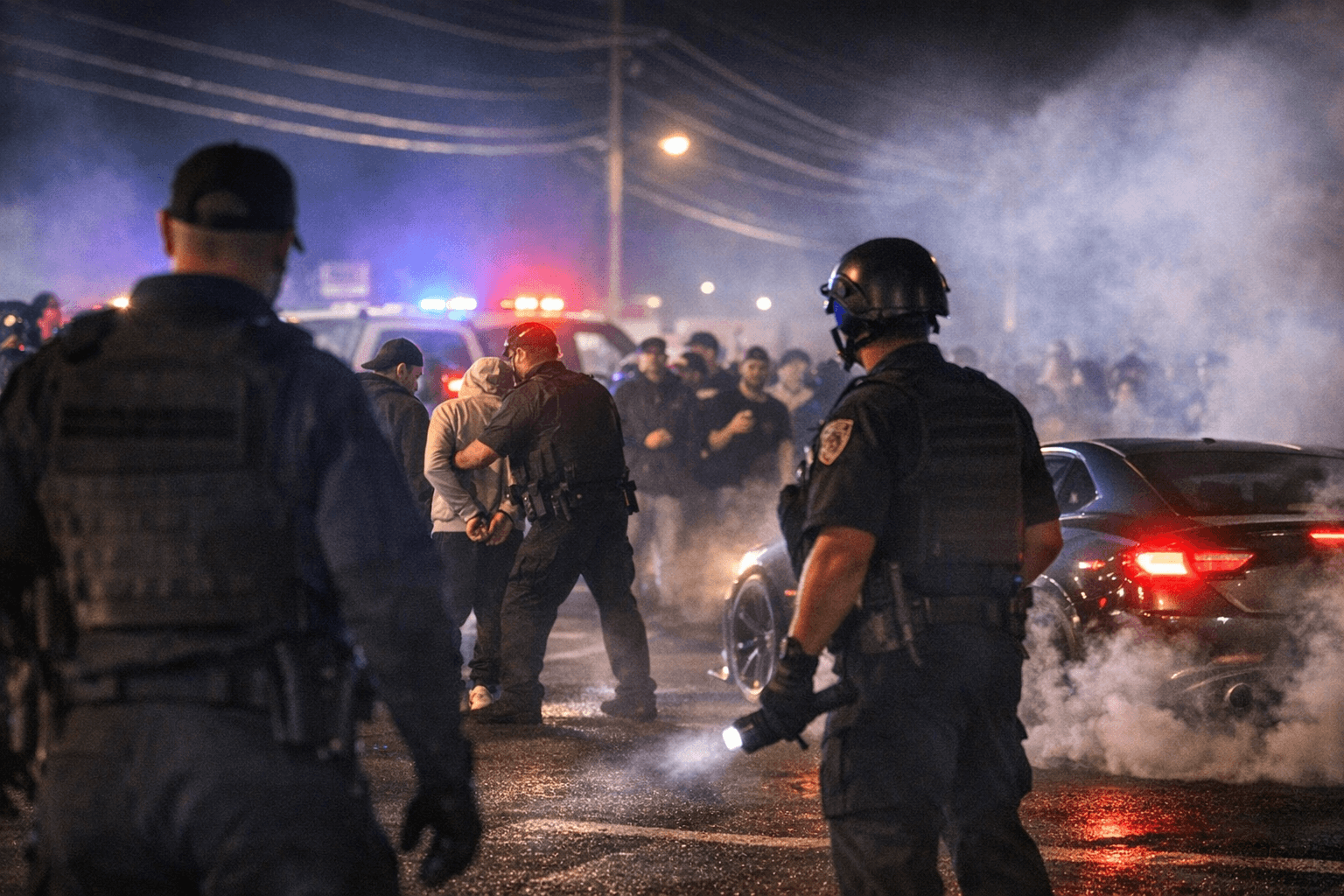
Maryland law enforcement agencies, led by the Maryland Car Rally Task Force and partner agencies, broke up seven illegal car rallies on Jan. 5 that spanned Howard, Prince George's and Montgomery counties. Authorities arrested four people in connection with the events as part of a coordinated enforcement action targeting dangerous street takeovers and illegal gatherings.
The operation reflects a regional push to curb high-risk driving events that endanger motorists, pedestrians and first responders. Local leaders and public safety officials have increasingly framed these rallies as a cross-jurisdictional problem, requiring joint tactics rather than isolated responses by single agencies. For Prince George's County residents, the sweeps translated into temporary traffic disruptions and an intensified law enforcement presence in neighborhoods and along major thoroughfares.
Breaking up seven separate rallies in a single day highlights both the scale of the rallies and the resources required to respond. A coordinated effort can concentrate patrols, share intelligence and reduce the likelihood that events simply move from one jurisdiction to another. It also concentrates responsibility on county and state leaders to sustain cooperation, fund task forces and set prosecutorial priorities if arrests lead to charges and court cases.
The enforcement action raises several policy questions for local officials. How should county budgets prioritize prevention versus enforcement? Will elected leaders pursue stronger penalties, curfews or targeted traffic enforcement initiatives? Alternatively, will they couple policing with community outreach and youth engagement programs to address the social drivers that bring people to these events? Those decisions will be shaped by county councils, the county executive and voters who weigh public safety concerns alongside priorities like racial justice and police accountability.
For civic engagement, the rallies and the response underscore the role residents can play in shaping policy. Public meetings, testimony at council hearings and turnout in local elections can influence whether officials pursue aggressive enforcement or a mixed strategy that funds both law enforcement and community interventions. In practical terms, residents should expect continued multi-agency patrols in the short term and should allow extra time for travel when large gatherings are reported.
Our two cents? Document safety risks from a distance, report illegal rallies through official channels rather than confronting participants, and press local elected officials at county meetings to explain their plans for sustained prevention. Public safety policy is made at the local level, and community pressure will determine whether responses lean toward enforcement, prevention, or a blend of both.
Know something we missed? Have a correction or additional information?
Submit a Tip