Surratt House Museum marks 50 years preserving Prince George's history
Surratt House Museum is marking 50 years as Prince George's County’s first public historic house museum, with a new America 250 exhibit broadening its story beyond Lincoln’s assassination.
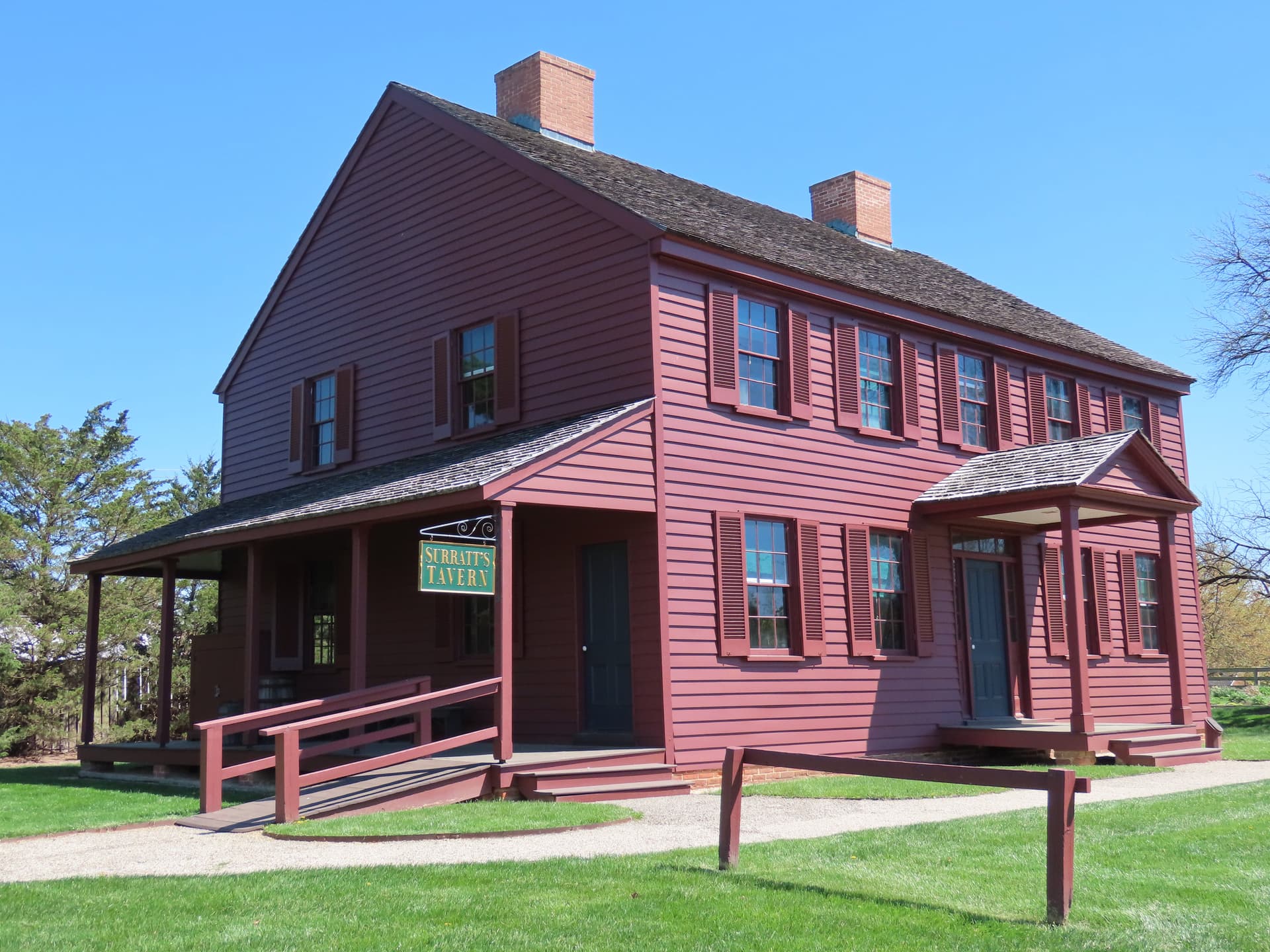
Opened on May 1, 1976, as the county’s first public historic house museum, Surratt House Museum in Clinton preserves a place tied both to local life and to the assassination of President Abraham Lincoln. The county is using it to tell a wider story about slavery, race and Civil War Maryland.
The house itself was built in 1852 for John and Mary Surratt and originally operated as a tavern, public dining room and hotel, with a livery stable and blacksmith shop nearby. A post office was added in 1854, and the area became known as Surrattsville. Five separate families lived in the former tavern from 1868 to 1965, when the Maryland-National Capital Park and Planning Commission acquired the property.
During the Civil War, the tavern became a Confederate safe house. In the fall of 1864, Mary Surratt moved to Washington, D.C., where the family was drawn into John Wilkes Booth’s plot against President Abraham Lincoln. Booth later stopped at the tavern during his flight and retrieved weapons and supplies hidden there. Mary Surratt was executed on July 7, 1865, becoming the first woman executed by the U.S. federal government.
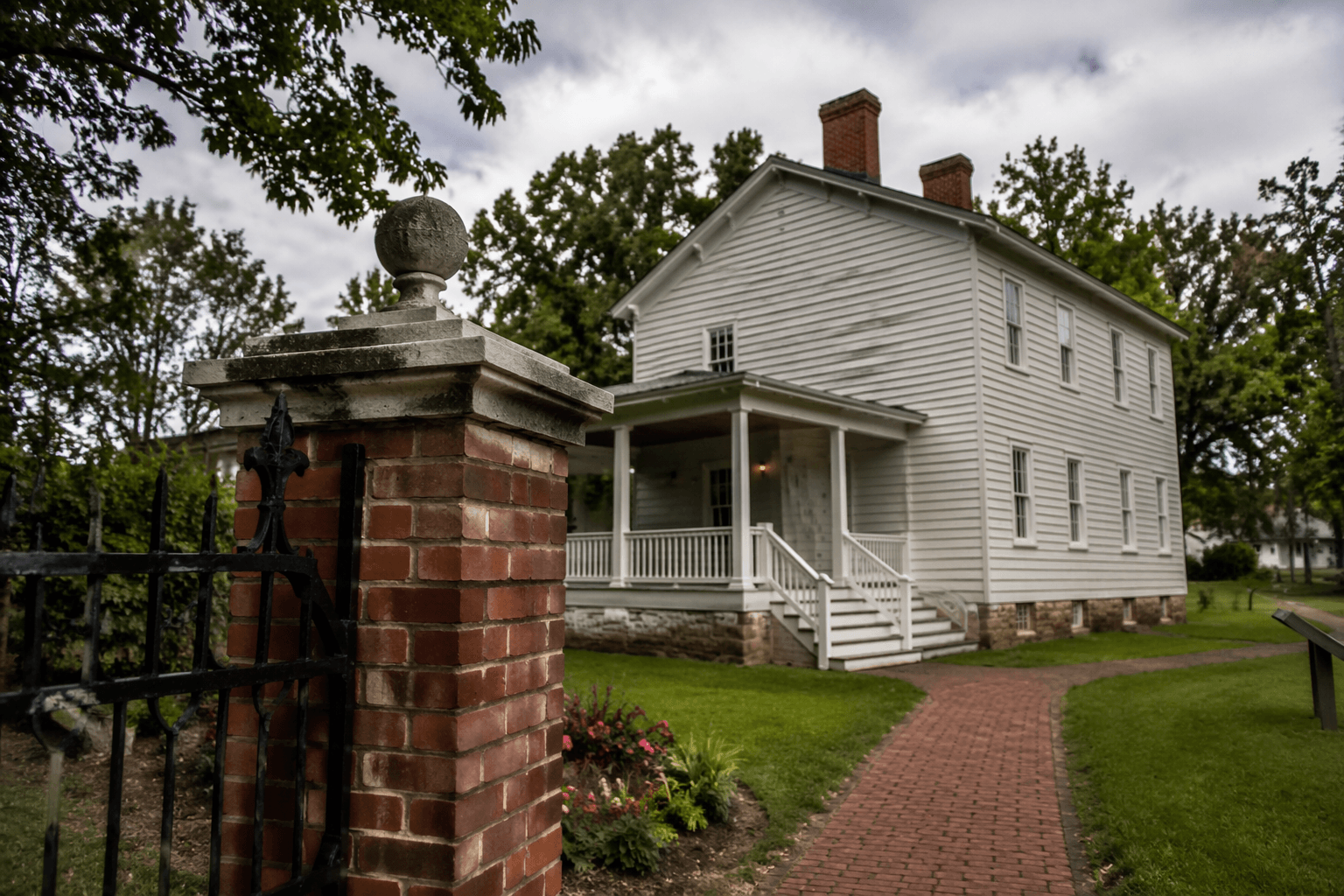
The property was added to the National Register of Historic Places on March 30, 1973, three years before the museum opened. It also helped inspire the founding of the Surratt Society in 1975, which encourages research into the site’s role in the Lincoln assassination and mid-19th century Southern Maryland.
The James O. Hall Research Center holds material on the Civil War, Abraham Lincoln, the assassination and conspirators, John Wilkes Booth, African American history, local history and genealogy, with more than 2,000 books available for in-house use. The museum is at 9118 Brandywine Road in Clinton and is open Thursday through Sunday.

The county is also folding the site into its America 250 work through “Remembering We the People: Race and Resistance in Civil War Maryland,” a self-guided exhibit focused on the people who were forced to live and labor there.
This article was produced by Prism’s automated news system from verified source data, official records, and press releases, then run through automated quality and moderation checks before publishing. The system is built and supervised by the people who set the standards it runs under. Read our full AI policy.
Did this article answer your question?