USDA reorganization puts Beltsville bee lab at risk, alarms beekeepers
USDA’s plan to move research out of Beltsville has beekeepers worried the county could lose its only federal bee lab, along with fast disease testing and pollination expertise.
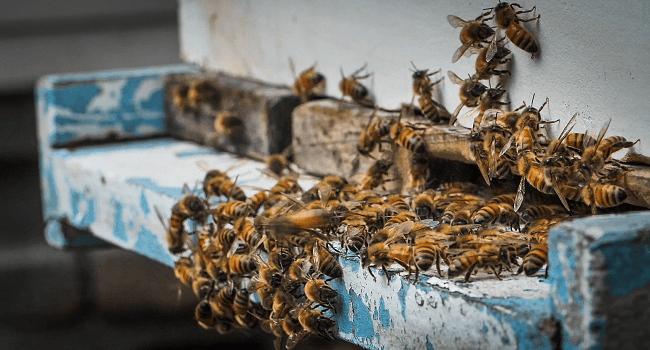
USDA’s plan to reorganize its research arm is putting the Beltsville Bee Research Laboratory in Prince George’s County at risk, and Maryland beekeepers warn the loss would hit hive health, crop pollination and backyard food production far beyond the fence line in Beltsville. The lab sits inside the Beltsville Agricultural Research Center and has long served as a national hub for bee research, disease diagnosis and technical support.
USDA announced the broader Research, Education, and Economics Mission Area reorganization on April 23, 2026. It is meant to improve operational efficiency and move resources closer to agricultural communities. The restructuring is not a reduction in force. On July 24, 2025, USDA announced it would vacate and return the Beltsville Agricultural Research Center to the General Services Administration. Research projects at BARC, including the Beltsville Human Nutrition Research Center, will move to other Agricultural Research Service locations outside the National Capital Region.
David Schultz, president of the Maryland State Beekeepers Association and an apiary inspector with the Maryland Department of Agriculture, points to the Beltsville lab’s disease diagnosis service as a fast backstop for small operators and newer beekeepers who may not have the tools or experience to sort out what is killing a hive. Inspectors and beekeepers regularly send in samples when colonies show unusual symptoms. The Bee Disease Diagnosis Service has operated since the lab’s inception and is free to beekeepers across the U.S.
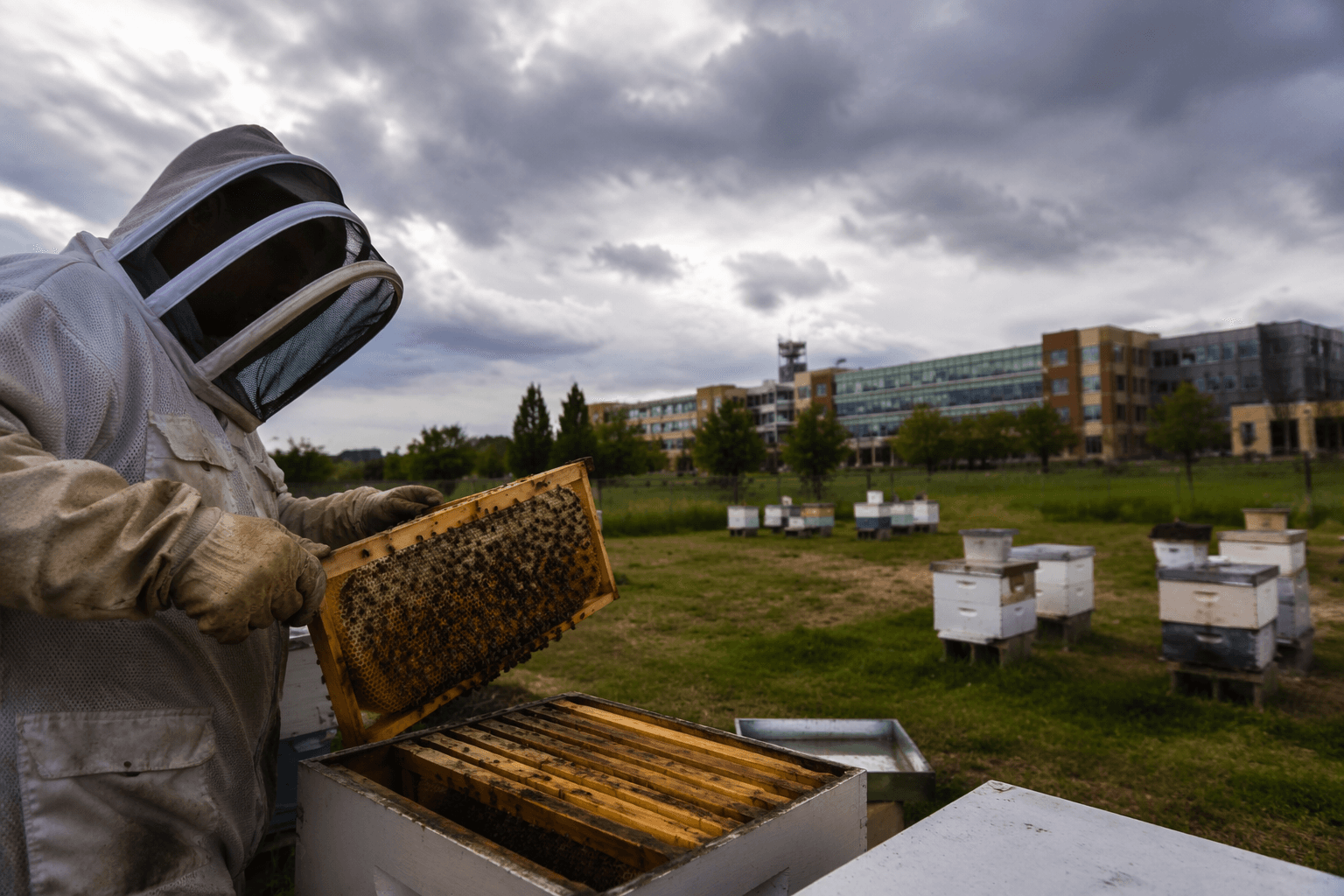
The lab’s history runs deep in the county. Federal honey bee research in the Washington metropolitan area began in 1891, and the laboratory moved to Beltsville in 1939, making it the oldest federal bee lab. The lab’s scientists study colony collapse disorder, varroa mite resistance, viral pathogens and other threats, work tied to keeping honey bee colonies healthy enough to support more than 130 crops and an estimated $15 billion in annual pollination value.
A 2025 USDA research report found more than 60% of commercial colonies were lost since the prior summer, equal to about 1.7 million colonies and an estimated $600 million in losses. The 2023-24 U.S. Beekeeping Survey put losses at 55.1%, the 2024-25 survey at 55.6%, and the 2025-26 survey at 39.9% from April 2025 to April 2026. Maryland beekeepers put their winter losses at more than 60% in the 2025-26 season.
This article was produced by Prism’s automated news system from verified source data, official records, and press releases, then run through automated quality and moderation checks before publishing. The system is built and supervised by the people who set the standards it runs under. Read our full AI policy.
Did this article answer your question?