Farmweek spotlights Marks grocery store easing Quitman County food access crisis
Quitman County families once drove up to 60 minutes for groceries; Jeffcoat’s Family Market now keeps fresh food, jobs and daily essentials in Marks.
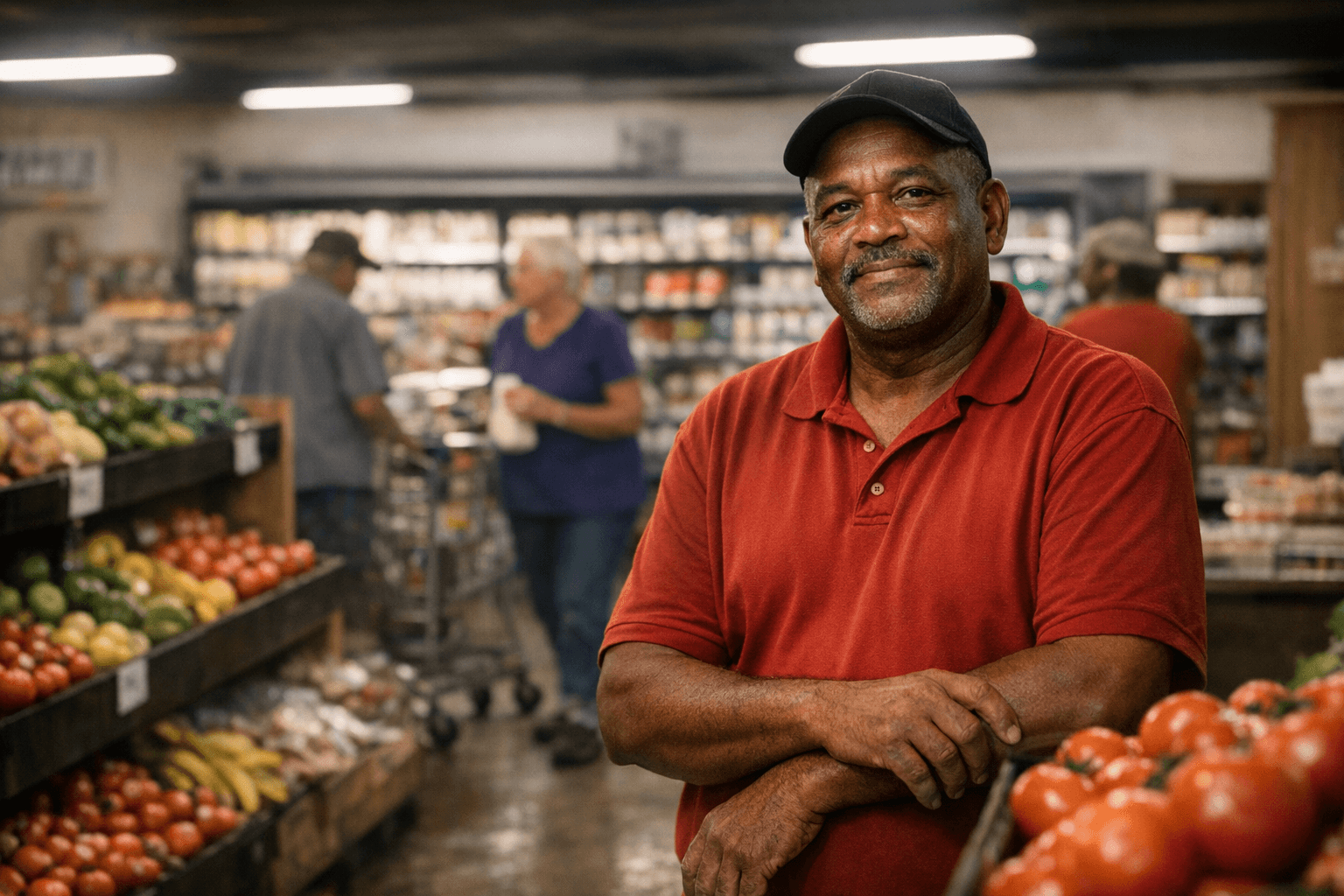
For four years, a grocery run from Marks could eat up as much as two hours of driving before a family unloaded a single bag. Jeffcoat’s Family Market changed that reality in spring 2021, and Farmweek’s April 23 encore on Marks made clear why the store now functions like health infrastructure in Quitman County.
A grocery run that used to consume the day
Quitman County lost its only full-service grocery store when the previous supermarket closed on June 17, 2017. Residents were left with 30 to 60 minutes of driving one way for groceries, a burden that hit hardest for older adults, families without reliable vehicles and households already watching fuel costs. When the closest full grocery is that far away, every loaf of bread, bag of produce and gallon of milk competes with work schedules, school pickups and pharmacy stops.
Jeffcoat’s Family Market opened in Marks in 2021 and quickly became more than a place to shop. It serves Marks, Lambert and the wider county, giving residents a full-service option they had gone nearly four years without. Farmweek’s follow-up encore called the segment “The Little Store That Could,” and that label fits a store that stepped into a gap left by a basic failure of local access, not a lack of demand.
How the store came to Marks
The push to bring groceries home began soon after the old store closed. Mississippi State University Extension Service reported that Marks Mayor Shegog and then-county administrator Velma Wilson approached James Jeffcoat, who already operated a store in Tunica, and asked whether he would open another location in Marks. That kind of recruitment matters in rural counties because the market alone often will not solve a food desert without local pressure, trusted relationships and financing that can close the gap between idea and opening day.
Reinvestment Fund said a Healthy Foods Financing Initiative grant helped pay for renovations and startup needs, including new refrigerated display cases for fresh produce. Wilson called financing “a critical piece of the puzzle,” and the description is apt: the store was not just leased and stocked, it was assembled through policy support, private investment and local persistence. That mix is a reminder that food access in rural Mississippi is often an economic development issue as much as a retail one.
What changed for shoppers and families
Samuel McCray, a lifelong Marks resident, described the store as a “lifeline” and a “godsend,” and those words capture more than convenience. A local grocery shortens the distance between a paycheck and a table, which matters for families trying to buy fresh produce, meat and dairy without driving out of county for every restock. The presence of a deli and meat counter also means more meal options than the limited shelf-stable choices that often dominate after a rural grocery closure.
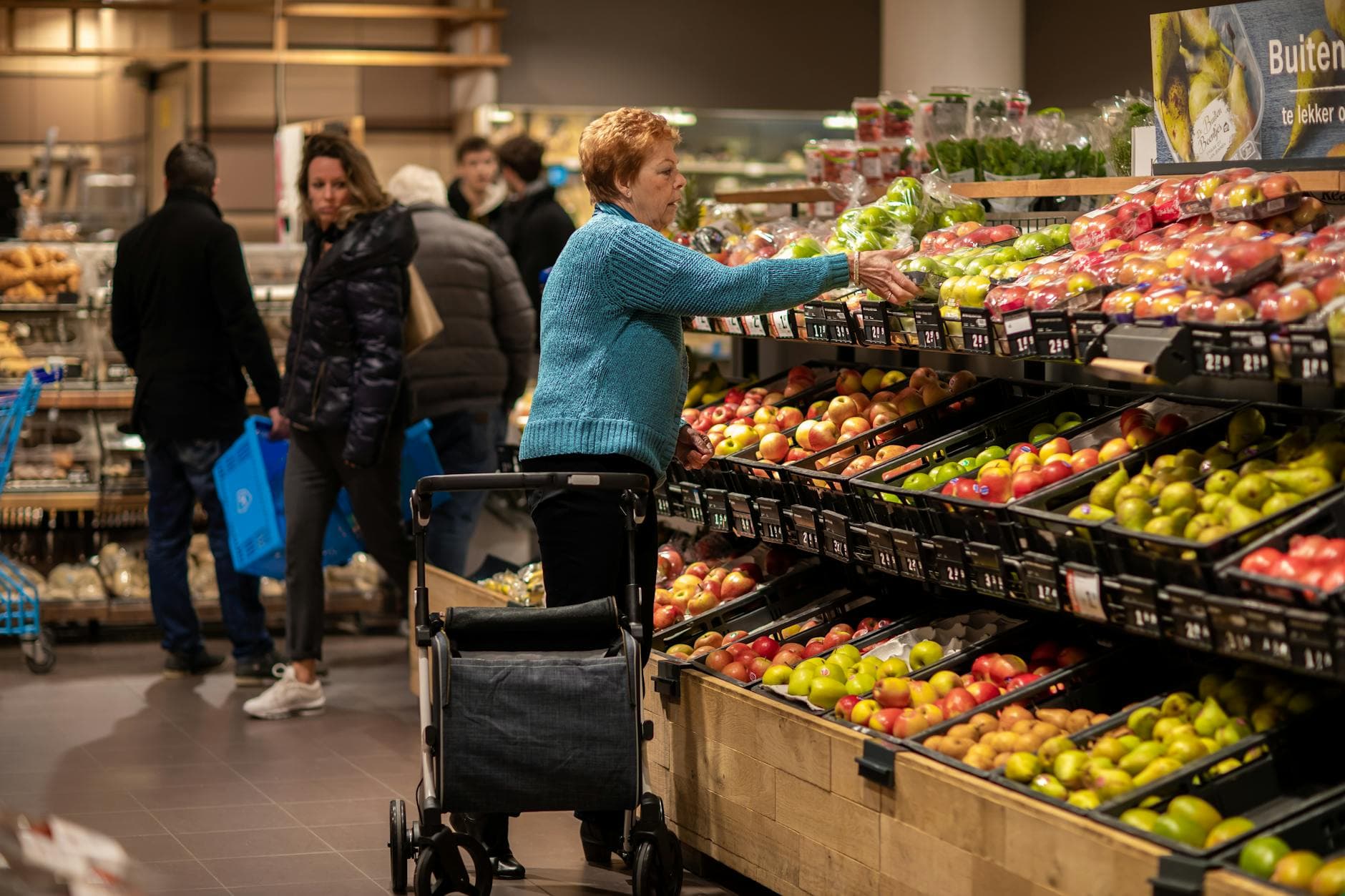
The health implications are real. When a store like Jeffcoat’s can keep fresh food close to home, families are more likely to build meals around produce, not just packaged items, and older residents do not have to depend as heavily on relatives or neighbors for transportation. In a county where a basic grocery trip once required 30 to 60 minutes each way, the difference shows up in less strain on gas budgets, fewer missed errands and less time lost to the road.
Why the economic impact reaches beyond the checkout lane
Jeffcoat’s Family Market also keeps more food dollars in Quitman County. Mississippi Farm Country reported that the store buys directly from local producers, a detail that turns the grocery from a consumer endpoint into a market for area growers and suppliers. That local purchasing helps explain why officials and residents talk about the store in the same breath as jobs, dignity and community stability.
The ripple effect is easy to miss if the store is viewed only as a business. In a county that had gone four years without a full-service grocery, the reopening helped restore a routine place where residents see neighbors, pick up work shifts and keep daily life moving without leaving the county. County leaders have also said the opening helped reverse the loss of local spending and community activity that followed the 2017 closure.
Why Farmweek’s return matters now
Farmweek’s decision to return to Marks as a follow-up encore says something important about how the county is seen from outside its borders. Instead of a crisis story about food desert conditions alone, the segment presents a working example of how a rural community can solve a chronic access problem when local government, financing and a committed grocer line up. The show’s choice to spotlight Jeffcoat’s Family Market also gives viewers a concrete image of resilience: not a slogan, but a store with refrigerated produce cases, a deli counter and enough neighborhood trust to anchor daily life.
That matters in Quitman County because the grocery store is now part of the county’s public health and economic foundation. It affects what is on dinner tables, how far families drive, how much money stays local and whether a trip for basics still feels like a road block. In Marks, the answer is finally closer to home.
This article was produced by Prism’s automated news system from verified source data, official records, and press releases, then run through automated quality and moderation checks before publishing. The system is built and supervised by the people who set the standards it runs under. Read our full AI policy.
Did this article answer your question?