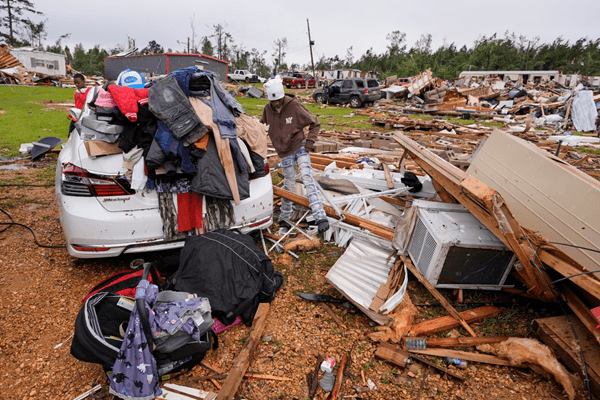
Mississippi Legislature Creates Emergency Loan Program for Winter Storm Recovery
North Mississippi cities and counties hit by January's winter storm can now access 0% state loans while waiting for FEMA reimbursements, after lawmakers sent the bill to Gov. Reeves.
Cities and counties across North Mississippi that are still digging out from January's winter storm got a significant financial lifeline this month when Mississippi lawmakers finalized a conference report creating the 2026 Local Government Disaster Recovery Emergency Loan Program, a state-run revolving loan fund designed to keep local governments solvent while federal reimbursements work their way through the pipeline.
The Mississippi House and Senate reached agreement on March 16, 2026, and sent the bill to Gov. Tate Reeves. The Mississippi Emergency Management Agency (MEMA) would run the program and distribute loans directly to cities and counties, allowing local governments to move forward on debris cleanup and daily operations without waiting for FEMA grant money to arrive.
State Sen. Scott DeLano (R-District 50) said the program's core advantage is its cost: a 0% loan from the state, compared to the alternative of going to a private lender or taking out a grant anticipation loan.
"The Legislature has worked diligently to make sure that the local entities are able to do that at a 0% loan from the state of Mississippi versus having to go to a private bank and get a loan and or a grant anticipation loan that would be at 6% or 7%," DeLano stated.
For local governments that have already spent down reserves on emergency response, that interest difference matters. DeLano described the program as a bridge: cash now to pay bills and keep services running, with repayment expected once federal money flows.
"It's very nice that we were able to get this work done. We're able to give cash to the locals to help them pay for their bills, to help sustain the operations that they've got and waiting for the FEMA money to start flowing back to the state," he said.
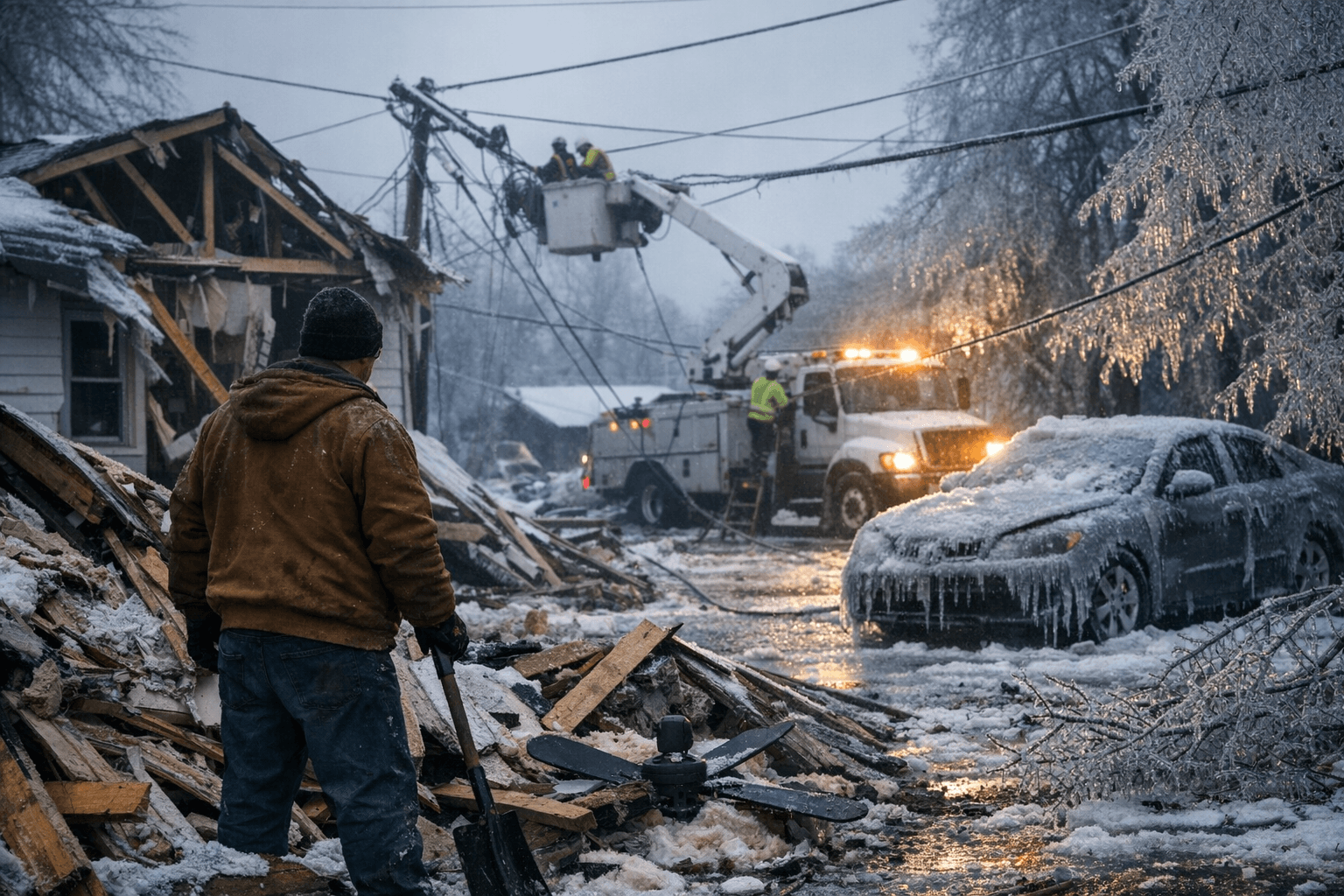
The final conference report covers financial help for debris cleanup and requires a larger appropriation from the state than what the Senate's original bill contained. DeLano acknowledged that expanded scope comes with a bigger price tag.
"It's going to take a larger pot of money for the state to contribute to this, to be dispersed out. And again, this loan is supposed to be a revolving loan," he said.
The revolving structure is central to how the fund sustains itself. As participating cities and counties receive FEMA reimbursements and repay the state, those funds cycle back into the pool, enabling MEMA to issue additional loans, potentially to the same jurisdictions again if needed.
The specific dollar amount appropriated for the program, per-jurisdiction loan limits, and MEMA's application timeline had not been publicly disclosed as of this week. Whether Gov. Reeves has signed the bill also remained unconfirmed. Quitman County residents and local officials seeking details on eligibility and the application process should watch for guidance from MEMA as the program moves toward implementation.
Know something we missed? Have a correction or additional information?
Submit a Tip