Quitman County bridge inventory highlights vulnerable rural crossings
A few low crossings can isolate Marks fast when the Coldwater rises or winter ice sets in, making bridge work a public-safety issue, not a paperwork exercise.
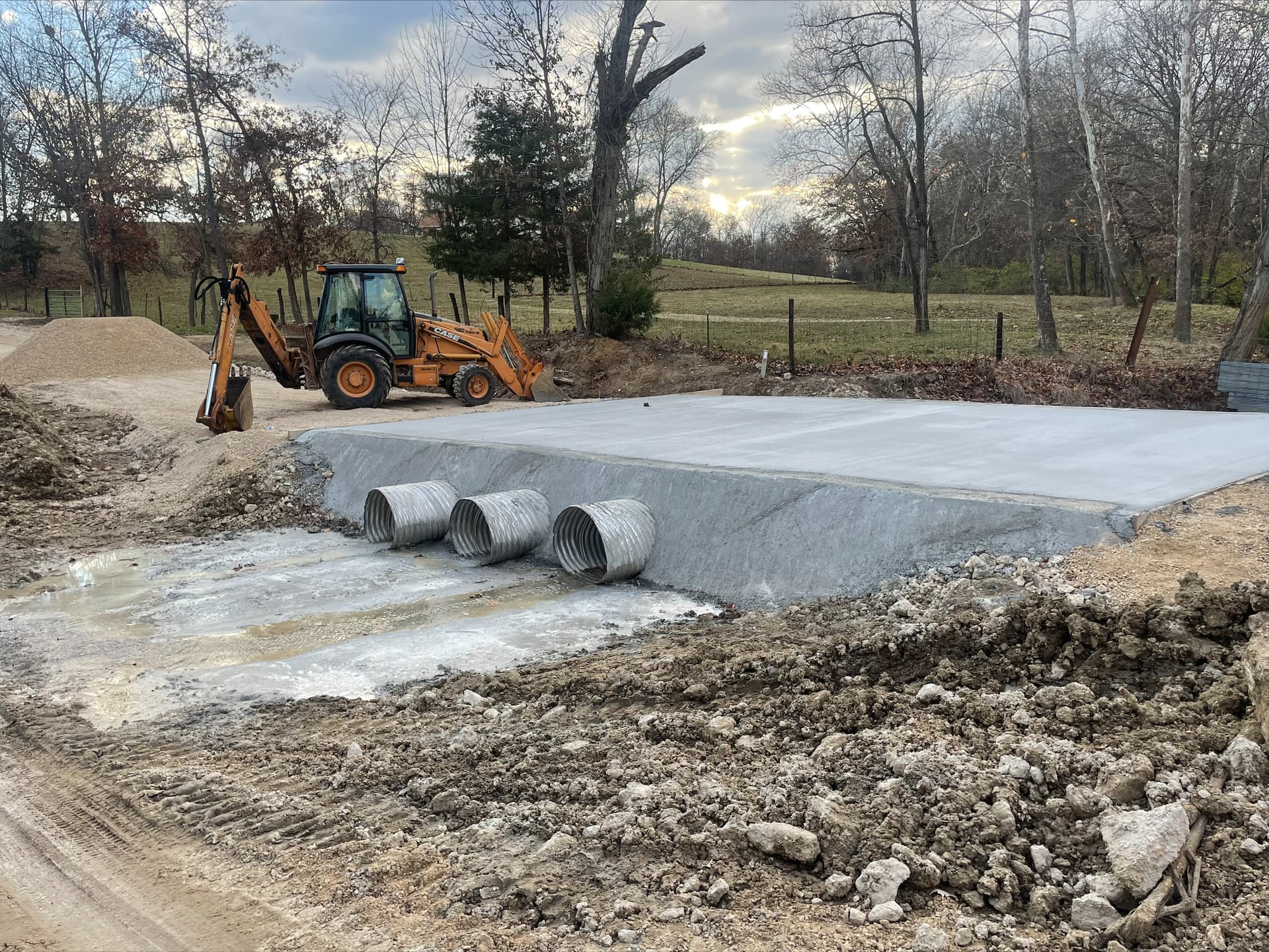
Bridge inventory as a safety map
Quitman County’s bridge inventory is more than a list of structures. Compiled May 4, 2026, it shows where a rural road network can buckle first, and it points straight to the crossings that matter when families are trying to get to school, an ambulance is racing toward a call, or a worker is trying to reach a shift on time.
That matters in a county with 6,176 residents counted in the 2020 census, an estimated 5,364 residents on July 1, 2025, and 405 square miles of land area. With a median household income of $32,412 and 66.5% of households reporting a broadband subscription in 2020-2024, many residents do not have the cushion to absorb long detours, missed appointments, or repeated fuel costs when a bridge or low-water crossing goes out.
Where the chokepoints sit
The inventory highlights several crossings that deserve close attention because they sit over water features that can turn a routine drive into a dead end. Those include the Dean Road crossing over Yellow Lake Bayou Cutoff, the Falcon School Road crossing over Burrell Bayou, and the Putman Road crossing over the Coldwater River. The county also has a Hood Road bridge replacement project over the Quitman-Panola ditch near Marks Cutoff identified in Mississippi Department of Transportation materials as part of the State Aid Bridge Program.
Those names matter because they reveal how thin the margin is in a place where road links often cross low ground, bayous, ditches, and river bottoms. If one of those crossings is shut by high water, ice, or damage, the impact is not confined to the road itself. A closure can ripple into school transportation, farm equipment movement, emergency response times, and the daily route to groceries, pharmacies, and medical care.
The Coldwater River is the county’s pressure point
The Coldwater River is the most visible flood threat in Marks and the surrounding countryside. U.S. Geological Survey data show that the monitoring location at Coldwater River at Marks has water records going back to 1973, giving local officials a long view of how often the river tests the transportation system. National Oceanic and Atmospheric Administration flood guidance says that when the river reaches about 41 to 42 feet, widespread flooding can hit northern Quitman County and numerous secondary roads can be flooded.
That warning became real in April 2024, when local reporting said the river reached 40 feet at Marks, above the reported 39-foot flood stage, and threatened the Quitman County jail while floodwaters also hit farmland. Once the river rises that far, the issue is not just standing water in a field. It becomes a question of whether the county can keep critical routes open long enough to move people, supply agencies, and emergency crews.
Planning exists, but the risk remains live
Flood planning for the Coldwater watershed has already been on the state’s radar. Mississippi Department of Environmental Quality Risk MAP materials list a Flood Risk Review for the Coldwater River dated September 6, 2018, along with a study effective date of May 4, 2021. That kind of planning is important because it creates an official record of where flooding is likely to recur and where future mitigation should focus.
But planning only helps if it translates into repair schedules, bridge investment, and routing decisions that reflect local vulnerability. In Quitman County, the inventory is a reminder that a bridge list can serve as an early warning system. The crossings over Yellow Lake Bayou Cutoff, Burrell Bayou, the Coldwater River, and the Quitman-Panola ditch are not interchangeable. Each one is a possible bottleneck, and each one affects a different part of the county’s ability to stay connected when weather turns.
Winter weather exposes the same weak links
Flooding is not the only hazard. In January 2026, after Winter Storm Fern, the Mississippi Department of Transportation urged emergency travel only in Quitman County because bridges and low-water crossings were icy and hazardous. That kind of warning shows how quickly a rural network can lose reliability even without high water. A crossing that is hard to use in freezing conditions can be just as disruptive as one that is underwater.
For residents in and around Marks, the practical effect is the same either way: trips take longer, school schedules get more fragile, and emergency vehicles may need to reroute around a closure. In a county with limited population and limited income, that kind of delay carries outsized consequences. A missed clinic visit or a slowed ambulance response is not a minor inconvenience when the next alternate route may already add miles.
What the Hood Road project signals
The Hood Road bridge replacement over the Quitman-Panola ditch near Marks Cutoff is the clearest sign that these crossings are not being treated as abstract assets. By placing that project in the State Aid Bridge Program, MDOT has identified one of the county’s vulnerable links as a candidate for structured repair and replacement rather than simple routine maintenance.
That is the right lens for Quitman County. The bridge inventory matters because it shows where public dollars, engineering attention, and emergency planning need to land first. If even one of these crossings fails during a flood or freeze, the cost is measured in delayed school runs, longer commutes, interrupted farm access, and slower access to care. In Quitman County, bridge reliability is one of the basic conditions for public safety, and the inventory makes clear where that safety is most exposed.
This article was produced by Prism’s automated news system from verified source data, official records, and press releases, then run through automated quality and moderation checks before publishing. The system is built and supervised by the people who set the standards it runs under. Read our full AI policy.
Know something we missed? Have a correction or additional information?
Submit a Tip