Quitman County Extension office connects residents to local support
From the office on Main Street in Marks, Quitman County residents can reach Extension help for farms, families and 4-H youth programs through one local contact.
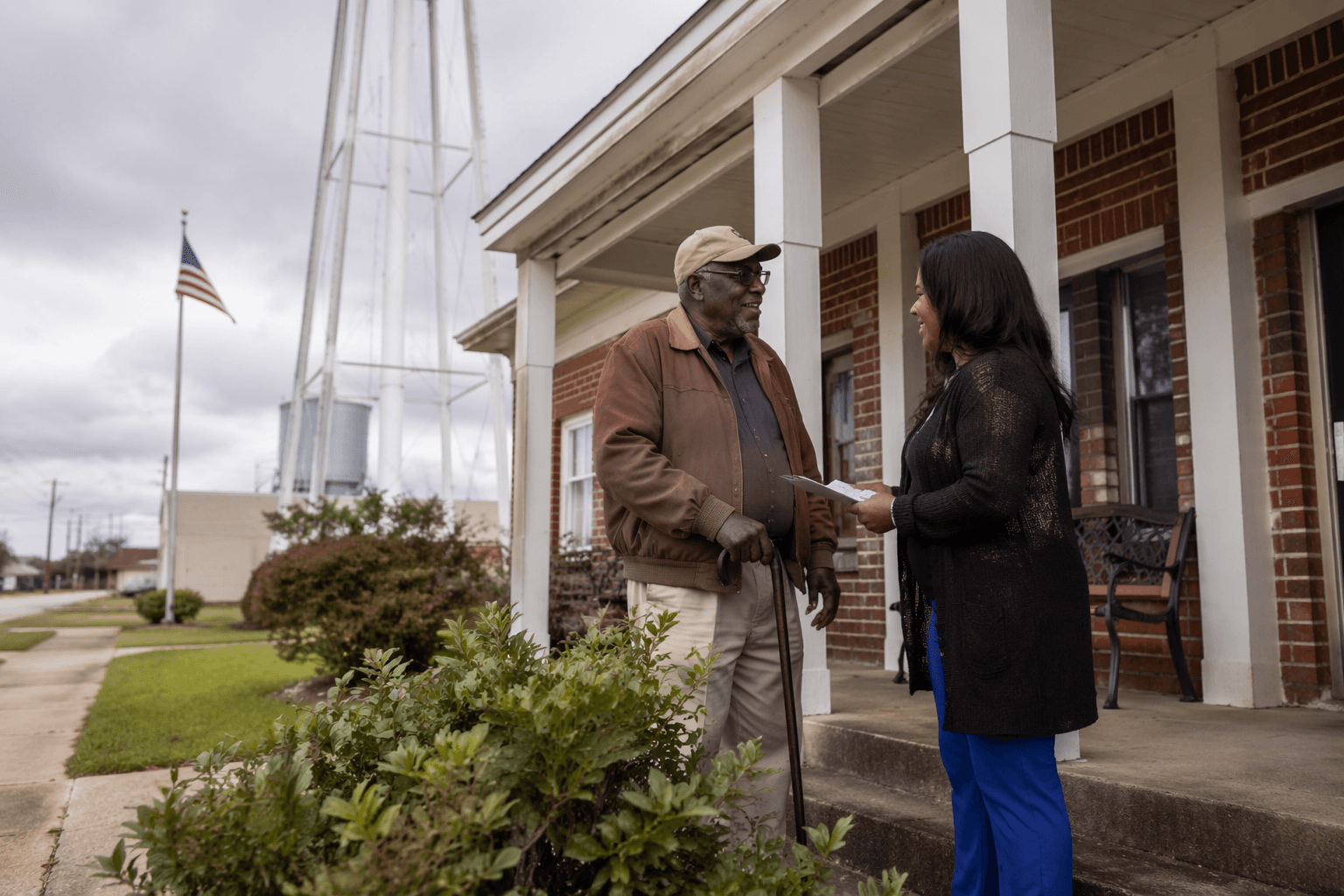
The Quitman County Extension office sits on Main Street in Marks as a practical starting point for residents who need help with farm questions, family concerns, youth programs or community problem-solving. With Peyton Kimzey listed as the county Extension Agent I, the office gives people a direct way to reach Mississippi State University Extension without having to sort through a larger state system first.
A local office built for everyday needs
The county office at 220 E. Main Street, Marks, MS 38646, is more than a mailing address. It is the local doorway to science-based information, hands-on help, educational workshops and problem-solving support that Mississippi State University Extension says it offers to Mississippians. Residents can reach the Quitman County office by phone at 662-326-8939 or by fax at 662-326-7917, which matters in a county where a single point of contact can save time for families, farmers and community groups.
Kimzey’s listed program areas give a clear picture of what the office handles day to day: Community Resource Development, Agriculture & Natural Resources, and 4-H Youth Development. That mix makes the office useful for more than one kind of question. A landowner looking for production advice, a parent seeking youth enrichment, or a resident trying to connect with a community service can all start with the same office in Marks.
4-H gives Quitman County families a direct path into youth leadership
The county office’s connection to 4-H is one of its most important roles for local families. Mississippi 4-H says its youth program is present in all 82 counties in Mississippi as well as the Mississippi Band of Choctaw Indians, and the state’s join 4-H guidance says the local county Extension office is the key place to get started. That means Quitman County families do not need to look outside the county to find an entry point into the program.
Mississippi 4-H frames the program around belonging, mastery, independence and generosity, with opportunities in healthy living, civic engagement and science, technology, engineering and math. The scale behind that work is substantial: more than 1,800 volunteers completed 396,000 hours of service worth $8.9 million, showing how much of the program depends on local adults helping youth learn by doing. The state program also says 96% of Mississippi 4-H’ers believe it helped them identify their passion, 97% say adults care, and 94% say it is a place where they belong.
For Quitman County, that makes the Extension office a family support center as much as an agricultural one. It can connect young people to leadership training, hands-on projects and community involvement while giving parents a nearby place to ask where their children fit in. In a county where residents often need programs that are personal, local and easy to reach, the 4-H connection gives the office everyday relevance.
Why the county’s demographics make a local service point matter
Quitman County is small and rural, and the numbers help explain why a local Extension presence still carries weight. The U.S. Census Bureau estimated the county’s population at 5,364 in July 2025, down from 6,176 in the 2020 census and 8,223 in 2010. The county is also 73.1% Black alone, according to Census Bureau QuickFacts, and has a comparatively modest education profile, with 81.1% of adults age 25 and older holding at least a high school diploma and 17.1% holding a bachelor’s degree or higher.
Broadband access remains uneven too. In 2020-2024, 66.5% of households had a broadband internet subscription, which means a significant share of residents may still benefit from in-person help, printed materials or a phone call to the county office rather than relying only on online forms and resources. Those conditions make the Extension office in Marks especially important as a place where residents can get direct guidance and then be connected to the right staff member or program.
Agriculture remains central to the county’s needs
Quitman County’s farm economy gives the Extension office another clear role. The USDA National Agricultural Statistics Service county profile lists 224 farms, 182,110 acres in farms and an average farm size of 813 acres. In 2022, county farms recorded $84.764 million in market value of products sold and $25.299 million in net cash farm income.
The same profile shows how varied the farm landscape is. Seventy percent of Quitman County farms had less than $2,500 in sales, which means the county includes both large-scale producers and many small operations. Irrigation also plays a major part in the local farm economy: 61,644 acres were irrigated, equal to 34% of land in farms.
Mississippi State University Extension’s agriculture program says the agency has provided practical, research-based education to farmers and agribusiness owners for 100 years. It also notes that agriculture and forestry account for up to one-third of Mississippi’s gross economic product, with a farm-gate value of more than $7 billion. For Quitman County, that places the county office in the middle of the work that farmers and landowners may need most: advice on production, pests, soil, forage, budgeting and other day-to-day decisions that shape a season.
A county shaped by history, routes and connections
Quitman County’s long view helps explain why a service office in Marks matters so much. The county was established in 1877 from parts of Tallahatchie, Tunica, Panola and Coahoma counties. Marks was named for Leopold Marks, the state legislator who introduced the bill creating the county, while the county itself was named for Mississippi governor John A. Quitman.
The county sits in the Mississippi Delta and within the Mississippi Delta National Heritage Area, a landscape shaped by rivers, railroads and agricultural development. The county website notes that state highways 6 and 3 intersect in Marks and that the main line of the Illinois Central Gulf railroad runs the length of the county. Those routes make Marks a natural service hub for a spread-out population, and they help explain why a county office on Main Street can still function as a front door for the region.
Quitman County officials also place county 4-H activities, agricultural events, community health initiatives and a local food bank within the broader life of the county. That wider civic setting matches what the Extension office does best: it connects residents to practical help without forcing them to navigate separate systems on their own. In a county with deep agricultural roots, a modest population and a strong need for local access, the Extension office in Marks remains one of the clearest places to start.
This article was produced by Prism’s automated news system from verified source data, official records, and press releases, then run through automated quality and moderation checks before publishing. The system is built and supervised by the people who set the standards it runs under. Read our full AI policy.
Did this article answer your question?