Quitman County officials page highlights courthouse as government hub
Quitman County’s officials page puts the courthouse at the center of daily government access. For residents, it is the quickest map to taxes, court papers, public safety, and school leadership.
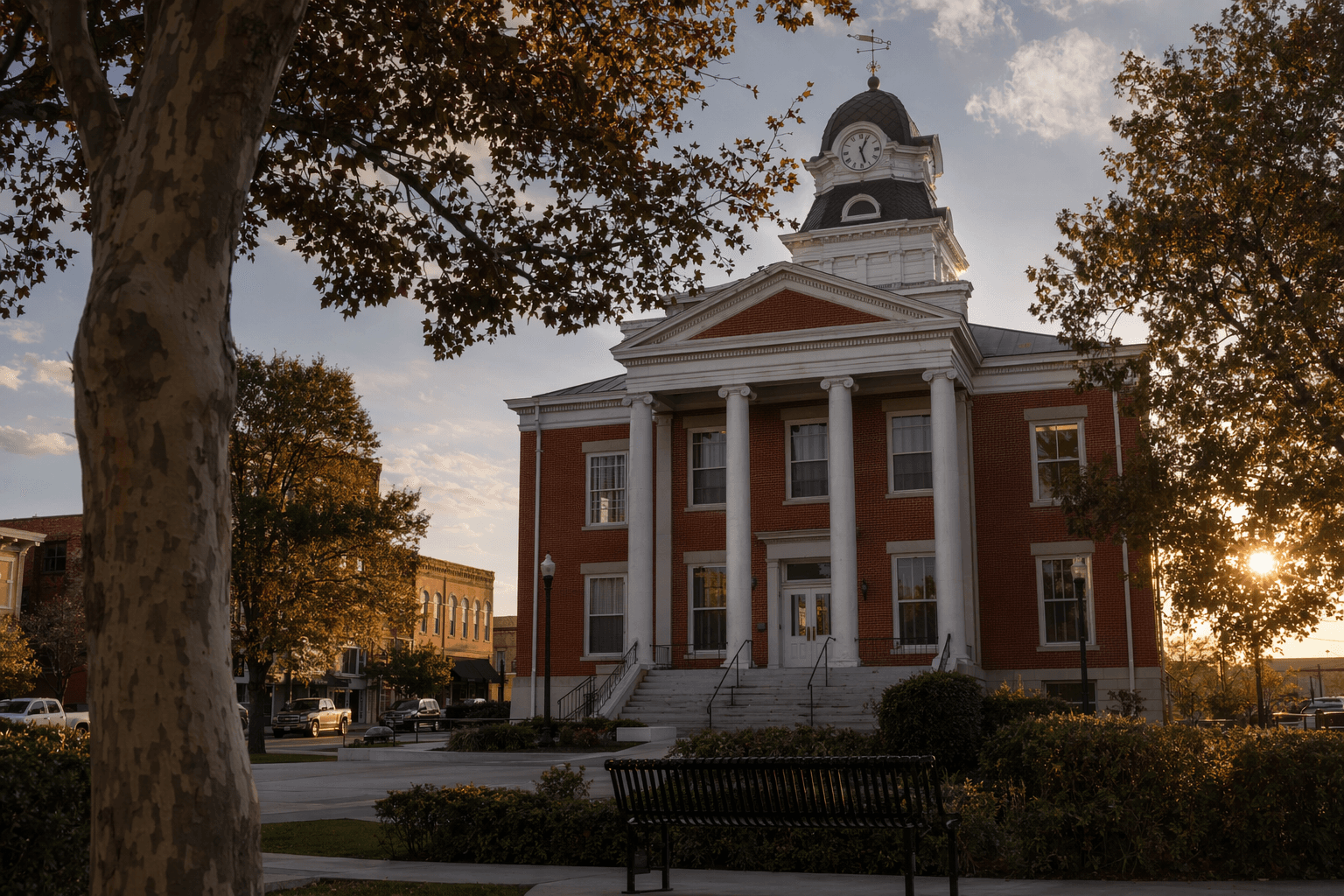
The courthouse at the center of county government
Quitman County’s officials page does more than name names. It places the county courthouse at 220 Chestnut Street in Marks at the center of how local government is reached, understood, and held accountable. Most of the listed offices, from the administrator to the clerks and tax officials, are tied to that courthouse area, making the building the county’s most important public-facing address.
That concentration matters in a county where residents often need a fast answer to a practical problem: where to file a court paper, who handles property taxes, or which office can explain a permit or records request. The courthouse is not just a landmark, it is the administrative anchor for services that many residents still need to handle in person.
Quitman County says the courthouse was constructed in 1910-11, designed by Chamberlin & Associates in the Neoclassical style, and designated a Mississippi Landmark in 1990. The building’s central role also reflects a larger county history. Marks became the county seat in 1910, after the seat shifted from Belen, giving 220 Chestnut Street a lasting place in the county’s civic geography.
Who sits at the county table
The officials page gives residents a direct roster of the people running major county functions. Beatrice Pryor is listed as County Administrator/Comptroller. T.H. (Butch) Scipper serves as Chancery Clerk, and Teareathrea Keeler is the Circuit Clerk. Sheriff Oliver Parker Jr. is on the page as the county’s top law enforcement official, while Alice Crowder-Smith is named as Tax Assessor/Tax Collector. Randy Hester is listed as Coroner, and Walter Atkins appears as Superintendent of Education.
Taken together, the list shows how county government stretches across both elected and appointed responsibilities. The sheriff and coroner represent the most visible public-safety functions. The clerks and tax officials handle the operational machinery of government, the paperwork, filings, and property-related duties that affect daily life even when residents never set foot inside a courtroom.
The page’s value is that it makes those roles visible at a glance. In a small county, the difference between the chancery clerk and the circuit clerk matters, as does knowing whether a tax issue belongs with the assessor, the collector, or another office. That clarity is a form of accountability: it tells residents who is supposed to answer.
Where to go when the issue is court, taxes, or public records
The county court-system page reinforces the courthouse’s role as the main contact point for judicial business. It identifies the Quitman County Courthouse at 220 Chestnut Street, Marks, MS 38646, as the place residents should look first for court functions. The same page also names Micheal Roy as County Prosecuting Attorney and Brenda F. Mitchell as District Attorney, helping separate county-level court contact from the broader criminal justice chain.
That distinction is important for residents trying to move quickly through the system. A civil filing, chancery matter, criminal prosecution, or court-related question may involve different offices, and the county’s public information pages attempt to keep those lines visible. The officials page and the court-system page work together as a guidebook: one lists the people, the other points to the building and the justice roles connected to it.
For practical use, the courthouse-centered setup means residents can begin with the county’s main address and then reach the right office from there. The page is especially helpful because it groups the core county functions in one place instead of forcing people to chase separate departments spread across different corners of the county.
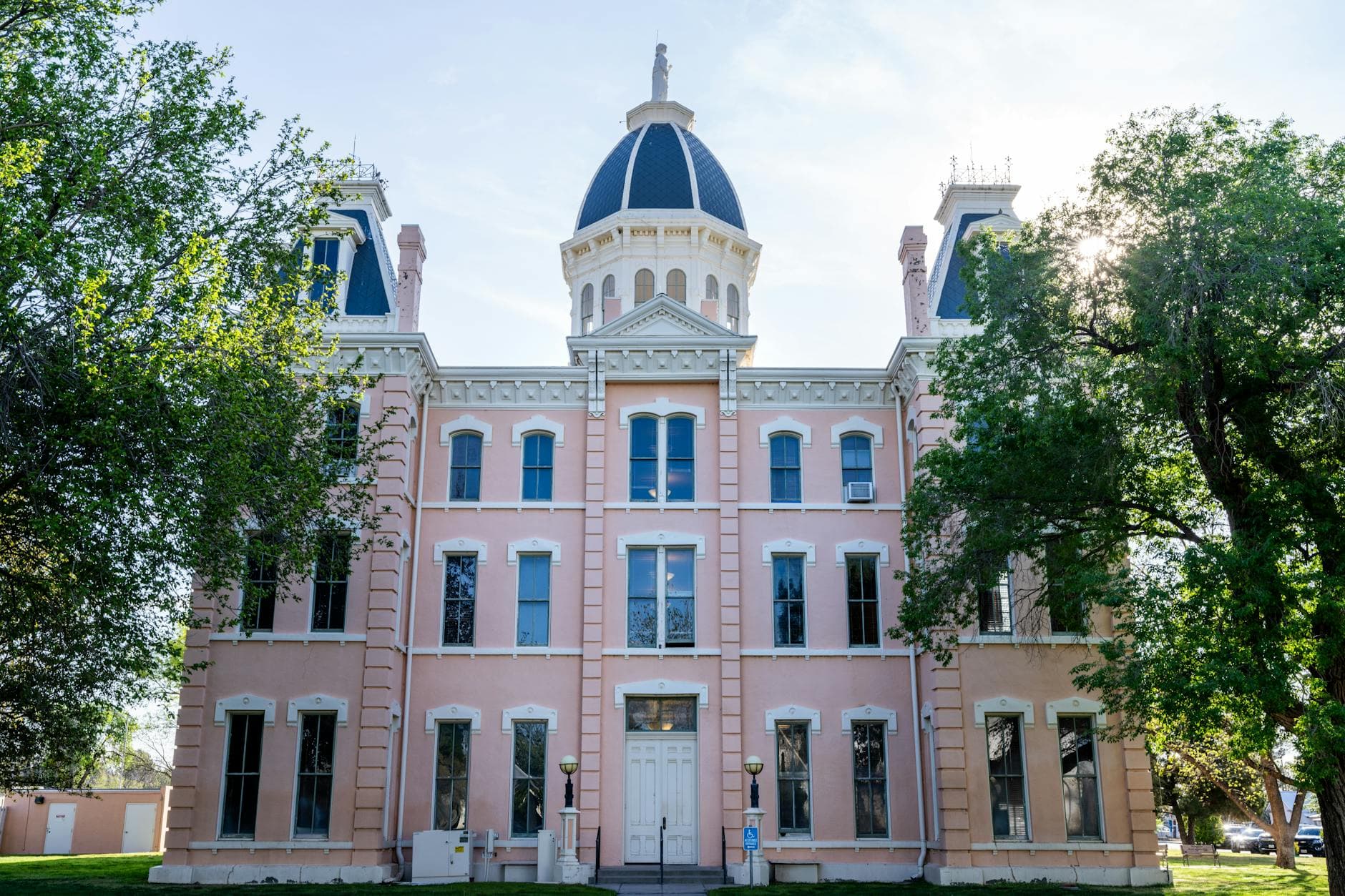
Why the page matters in a small and shrinking county
Quitman County is one of Mississippi’s least populous counties, and its population numbers show why visibility matters so much. The U.S. Census Bureau counted 6,176 residents in the 2020 census. Census estimates then placed the county at 5,542 on July 1, 2024 and 5,364 on July 1, 2025.
Those numbers describe more than a demographic trend. In a county this small, government access depends heavily on residents knowing where to go and who to call. A single courthouse-centered contact page can carry far more weight than a sprawling government directory in a larger county, because there are fewer layers between the public and the people who make decisions.
That is where the officials page becomes more than a directory. It is a civic navigation tool. It tells residents where county government is concentrated, who handles the main responsibilities, and how the courthouse functions as the hub for daily administrative life. For a rural county, that kind of clarity is not cosmetic, it is essential.
Education leadership and the county’s public face
The county’s public structure also reaches beyond courthouse walls through education. The officials page lists Walter Atkins as Superintendent of Education, and the Quitman County School District officially identifies Walter L. Atkins, Jr. as superintendent. The Mississippi Department of Education district profile also lists Walter Atkins as the current contact for the district, reinforcing that he is the public-facing leader residents should expect to hear from on school administration.
That linkage matters because school leadership is part of county governance in the eyes of many families, even when it operates through a separate district structure. When residents are trying to understand who oversees education policy, school administration, or district communication, the superintendent’s name is one of the most important on the county’s public roster. The inclusion of that office alongside the sheriff, clerk, and tax officials shows how county life extends from courthouse business to the schools.
A local government map with accountability built in
The strongest feature of Quitman County’s officials page is its plainness. It does not try to impress with complexity. It tells residents that the courthouse at 220 Chestnut Street in Marks is the place where county government is centered, identifies the people in charge, and points to the offices that shape everyday life.
That may be the most useful kind of transparency in a county where distance, population decline, and limited government access can make simple tasks harder than they should be. The courthouse still stands as a historic landmark, but on the county’s public pages it also functions as something more immediate: the address where local power is organized, and the place residents are meant to start when they need government to work.
This article was produced by Prism’s automated news system from verified source data, official records, and press releases, then run through automated quality and moderation checks before publishing. The system is built and supervised by the people who set the standards it runs under. Read our full AI policy.
Did this article answer your question?

