Quitman County rail era shaped historic Marks landmarks
Marks’ rail landmarks are being treated as working assets, with the Savoy Hotel, the depot and Lambert’s coaling tower all tied to lodging, market space and tourism revenue.
The rail era still defines what can work in Quitman County now. In Marks and Lambert, the county’s most recognizable historic buildings are not just relics of train traffic; they are the pieces that could add rooms, market space and visitor spending if preservation moves from status to reuse.
Railroads built the framework for downtown Marks
Quitman County’s Marks Downtown Historic District was certified by the National Park Service on March 15, 2024, and the Mississippi Department of Archives and History lists it with a March 11, 2024, listing date. The district covers about 1 square mile, includes 88 buildings and structures, and is described as a cohesive collection of early- to mid-20th-century commercial, agricultural, transportation and governmental buildings in the central business district.
That is the setting that gives the Savoy Hotel, the old depot and the Lambert coaling tower their meaning. Quitman County’s own heritage materials tie those places to the Yazoo & Mississippi Valley Railroad, which was incorporated in 1882 as a subsidiary of the Illinois Central Railroad to develop the cotton market in the Yazoo River Delta. In other words, the railroad did not merely pass through Quitman County. It shaped where people slept, where freight moved and where downtown took form.
The Savoy Hotel is being recast as an income-producing landmark
The county’s points-of-interest page identifies the Savoy Hotel in Marks, later called the Marks Hotel, as a building that reflects the heyday of train traffic in the city. That history now sits inside a practical redevelopment plan: county tourism materials position the building as the Charley Pride Museum & Hotel, with the goal of providing overnight lodging in Marks.
That lodging piece matters. Marks has long had the history to attract visitors, but a historic district only becomes an economic asset when people stay, spend and return. The county’s materials put phase 2 of the Charley Pride Museum and hotel concept at between $2.5 million and $3 million, a price tag that underscores both the scale of the ambition and the need for capital. The model is straightforward: a museum gives the site a reason to draw traffic, while rooms give travelers a reason to remain downtown after the exhibits close.
The depot shows the cost of delay and the value of a tenant plan
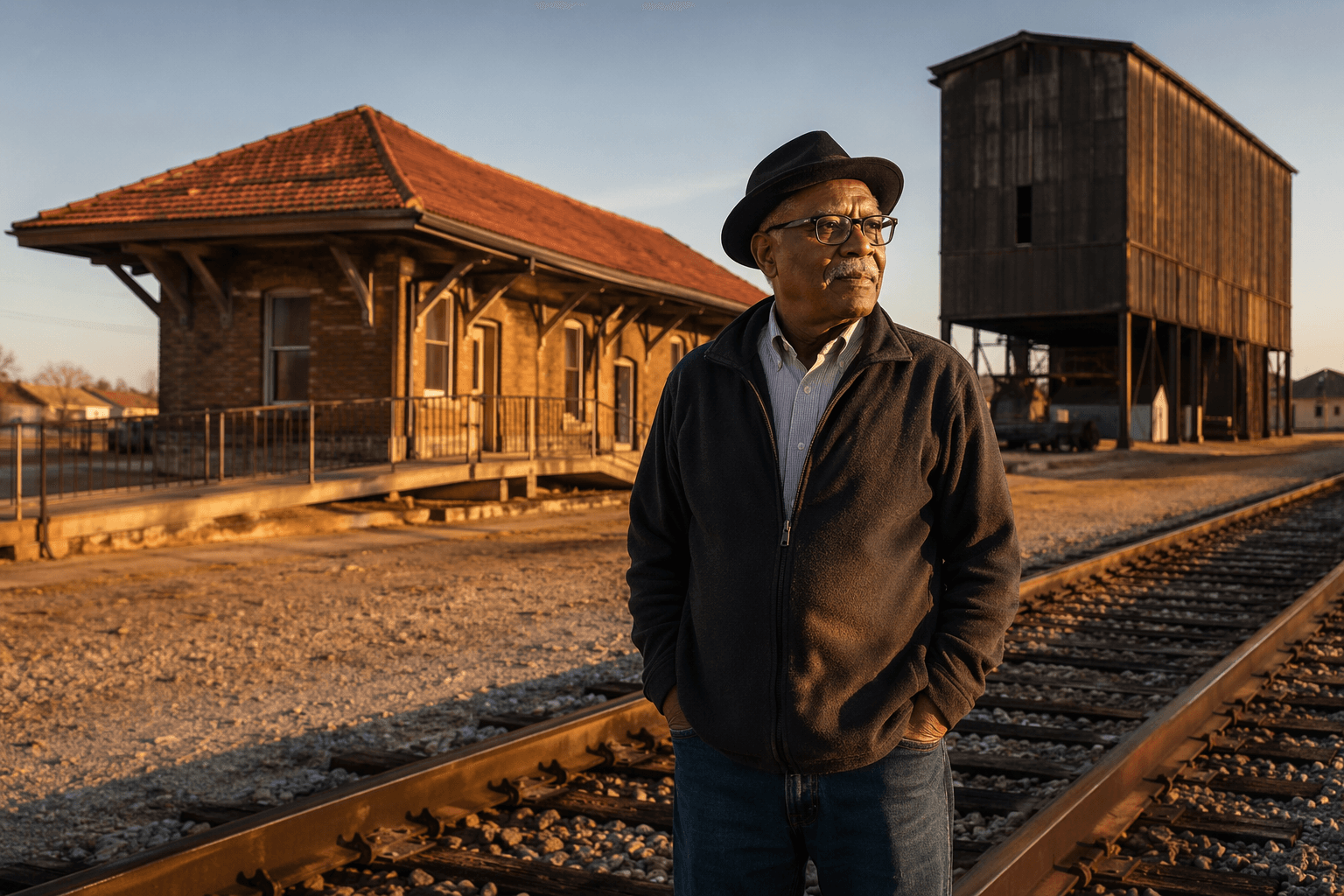
The old Marks train depot, built in the early 1900s and tied to the Illinois Central and Yazoo & Mississippi Valley rail story, offers the clearest view of the obstacles ahead. Quitman County says the building has been vacant since the latest restaurant closed in 2019, and that its structural condition is fair to poor. Before the county can put the site back into use, it estimates a $480,000 stabilization phase.
That number is important because it shows how preservation usually works in practice. The first dollar is not for a new business or an attraction. It is for keeping the building standing long enough to make reuse possible. The county’s plan is to turn the depot into a downtown farmers’ market and community center, a use that would give local and regional growers and vendors a built-in place to sell, gather and bring foot traffic back into the center of Marks.
For residents, that is the measurable payoff to watch: a vacant rail building becoming a site that can host commerce rather than sit empty.
Lambert’s coaling tower explains the industrial logic behind the landmarks
The Illinois Central Coaling Tower in Lambert gives the county’s rail story its industrial edge. In the heyday of rail traffic, locomotives were steam powered and fueled by structures like this tower. Quitman County says the original version built in the 1800s was wood, while the concrete replacement went up in the early 1900s and remained useful until diesel became the preferred fuel in the mid-20th century.
That sequence matters because it shows how infrastructure once shaped the rhythm of everyday life in the Delta. The tower was not decorative. It was part of the operating system that kept trains moving, which in turn supported freight, jobs and the commercial life of towns like Lambert and Marks. The fact that some coaling towers were later built in reinforced concrete shows how seriously railroads invested in this fuel network before dieselization made it obsolete.
What preservation can deliver if the projects keep moving
The strongest case for these landmarks is not simply that they are old. It is that they can still perform a useful civic job. The district’s 88 buildings already give Marks a compact historic core that can support walking tours, heritage interpretation and grant-backed rehabilitation. The Savoy Hotel can add overnight lodging, the depot can become market space, and the coaling tower can serve as a visible stop in a rail-history tour that links Marks and Lambert.
Quitman County’s own brochure language, which calls Historic Marks “the home of the mule train,” signals that the county sees rail history, Black heritage and tourism as connected parts of the same downtown story. That matters because the value of preservation is not only aesthetic. It is practical: lodging that keeps visitors in town, a market that gives growers and vendors a place to sell, and a preserved rail landscape that gives the county a stronger case when it competes for future funding.
The rail buildings in Quitman County are most valuable when they are doing work again.
This article was produced by Prism’s automated news system from verified source data, official records, and press releases, then run through automated quality and moderation checks before publishing. The system is built and supervised by the people who set the standards it runs under. Read our full AI policy.
Did this article answer your question?