Quitman County Rosenwald School preserves Black education history in Marks
The former Black high school at 400 Humphrey Avenue is one of Mississippi’s few surviving Rosenwald Schools, tying Marks families to a national education legacy.
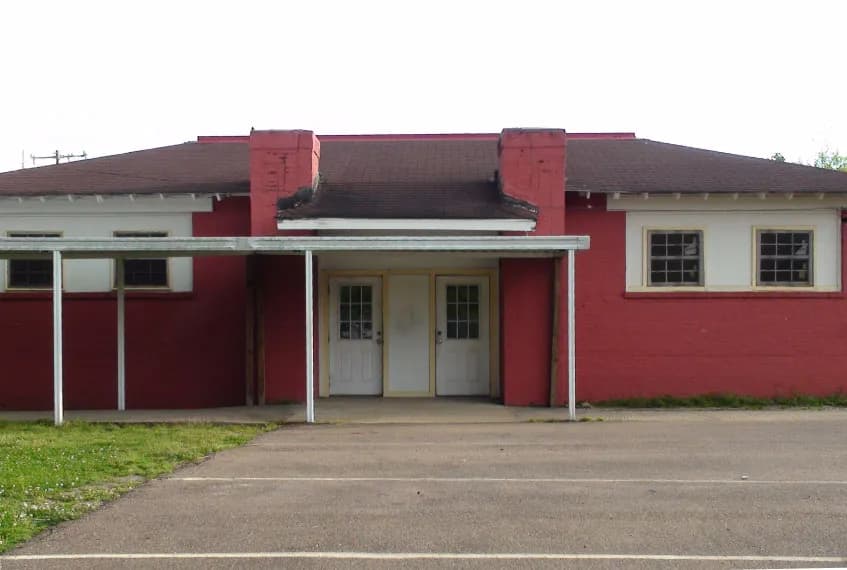
The old African American high school at 400 Humphrey Avenue is more than a preserved building in Marks. It is one of the few remaining Rosenwald Schools in Mississippi and one of the oldest historic properties in Quitman County, which makes it a living marker of how Black education was built here under segregation.
For families with roots in Marks, the site carries the memory of classrooms, discipline, and opportunity that had to be created with scarce resources. For younger residents, it offers a place to see that education in the Delta was not handed down easily, but built through community work, sacrifice, and determination.
A rare survivor in Marks
Quitman County’s Rosenwald School page places the building at the center of the county’s Black educational history. It identifies Marks’ Old African American High School as one of the few Rosenwald Schools still standing in Mississippi, and one of the county’s oldest historic properties. That combination matters because so many schools tied to Black life in the early 20th century have been demolished, altered, or forgotten.
The Mississippi Department of Archives and History maintains a property record for the site, underscoring that this is an officially recognized historic place in Marks. Belinda Stewart Architects also posted in 2021 that the Marks Rosenwald School was in Phase II of restoration work in 2015, a sign that preservation interest has been active for years rather than a recent burst of attention.
How Rosenwald schools changed Black education
The story of the Marks school begins with a national effort that started in 1912, when Julius Rosenwald, then chair of Sears, Roebuck and Company, donated $30,000 to Tuskegee Institute. The money helped Booker T. Washington build six small schools in rural Alabama, and the first Rosenwald schools opened in 1913 and 1914 before the program expanded across the South.
The National Museum of African American History and Culture describes Rosenwald Schools as the product of three forces working together: the Rosenwald Building Fund, Booker T. Washington’s vision for youth education, and community self-determination. In practice, that meant Black communities often had to raise money, donate land, and labor to create schools for their children in places where public systems did not serve them equitably.
That broader history gives the Marks school its weight. It is not just a surviving structure from the segregation era. It is evidence of how local Black residents in the Delta made education possible when access was limited by race and geography.
Why the Marks site still matters now
Marks is a small town of about 1,500 residents in Quitman County, located in the Mississippi Delta. In a place where civil rights memory, rural life, and school access remain part of everyday conversation, a Rosenwald School is not simply a relic. It stands as a reminder that educational opportunity has long depended on local initiative, especially in communities that were pushed to the margins.
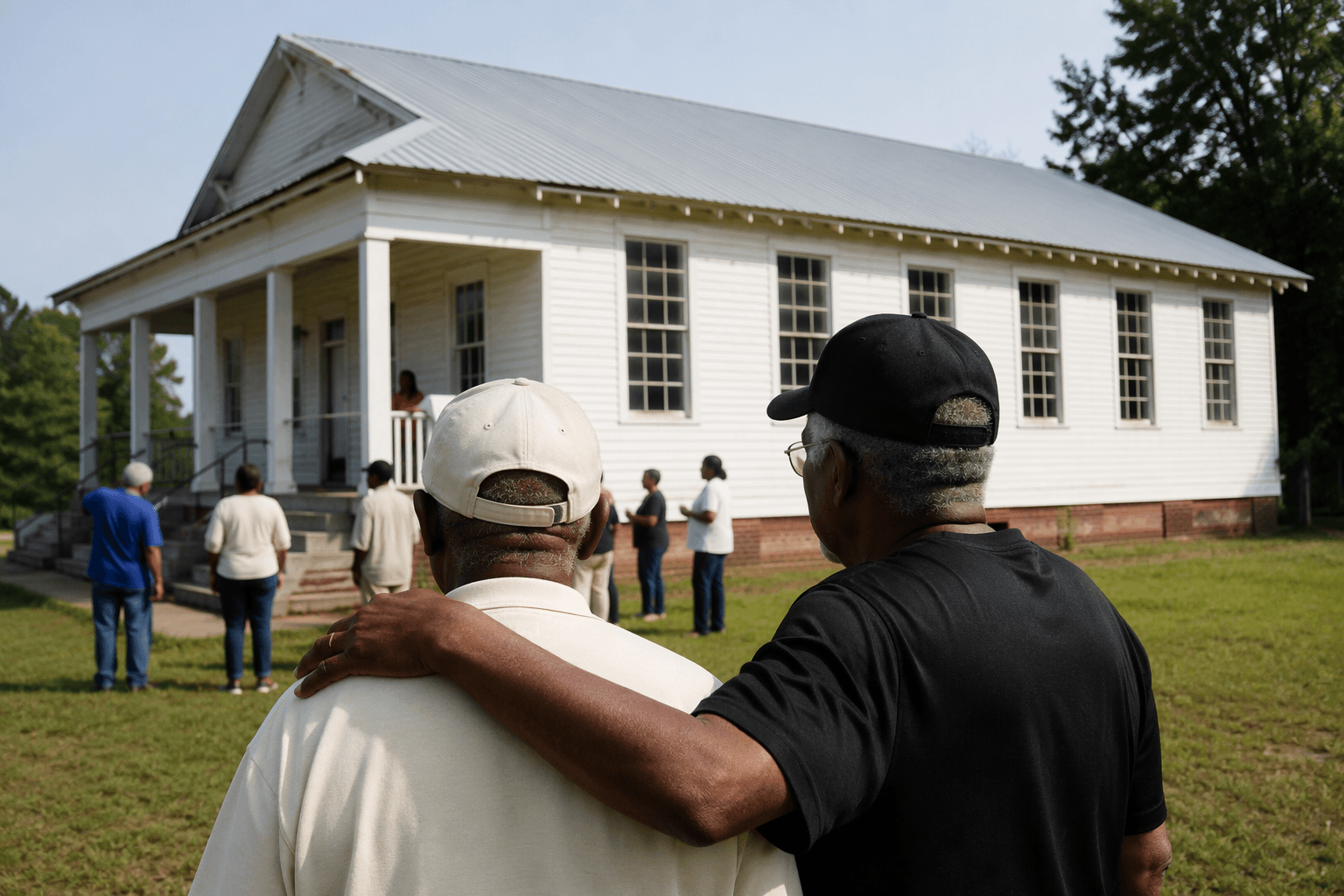
That connection has contemporary meaning for local families. Older residents can see in the building the schools their parents or grandparents knew, while younger people can use it to understand why education became such a hard-won community priority. The site also connects to broader local identity in Marks, a town often discussed through the lens of civil rights history and Delta heritage.
Former Quitman County administrator and current economic development director Velma Benson-Wilson discussed local stories and experiences with The What’s Good Project in June 2019, reflecting the way Marks history is often tied to community memory and present-day development. The Rosenwald School fits that pattern because it is part of the county’s public story, not a private landmark hidden from view.
Preservation is part of the story
The building’s future matters because Rosenwald Schools are disappearing. One Hoptown Chronicle result says about 500 of nearly 5,000 Rosenwald schools remain, a stark measure of how rare surviving examples have become. The National Trust for Historic Preservation identifies Rosenwald Schools as a preservation priority, which places the Marks site within a larger effort to protect Black educational landmarks before more are lost.
That urgency is visible in Mississippi as well. A March 2024 Clarion Ledger story noted that Mississippi architectural work was helping restore three Rosenwald Schools in the state. The Marks building has already been part of that statewide preservation current, with the Belinda Stewart Architects note showing restoration work underway in Phase II back in 2015.
For Quitman County, preservation is not only about saving wood, brick, or design details. It is about keeping a physical record of how Black education was funded, built, and defended in the Delta. When the county highlights the site, it signals that the school belongs in the county’s civic memory.
What the school offers Marks today
The Rosenwald School can serve several roles at once in Marks. It can be a heritage site that helps visitors understand why the town holds such a central place in Delta and civil rights history. It can be a classroom for local students learning how segregation shaped everyday life. It can also be a point of pride for residents who want the county’s Black educational legacy treated as part of the present, not just the past.
Because the site stands at 400 Humphrey Avenue, it is anchored in the geography of the town itself. That matters in a county where place carries memory. The school’s presence tells a larger story about endurance: Black families in Quitman County made room for education even when the system around them did not make room for them.
That is why the building remains important. It preserves a local history that is both specific to Marks and connected to a national movement in Black education, and it does so in a form residents can still see, visit, and recognize as part of Quitman County’s own legacy.
This article was produced by Prism’s automated news system from verified source data, official records, and press releases, then run through automated quality and moderation checks before publishing. The system is built and supervised by the people who set the standards it runs under. Read our full AI policy.
Did this article answer your question?