Quitman County under heat advisory Friday as temperatures climb above 105
Heat indices above 105 degrees put Quitman County under advisory through 8 p.m. Friday, with storms and flash flooding risk following the hottest hours.

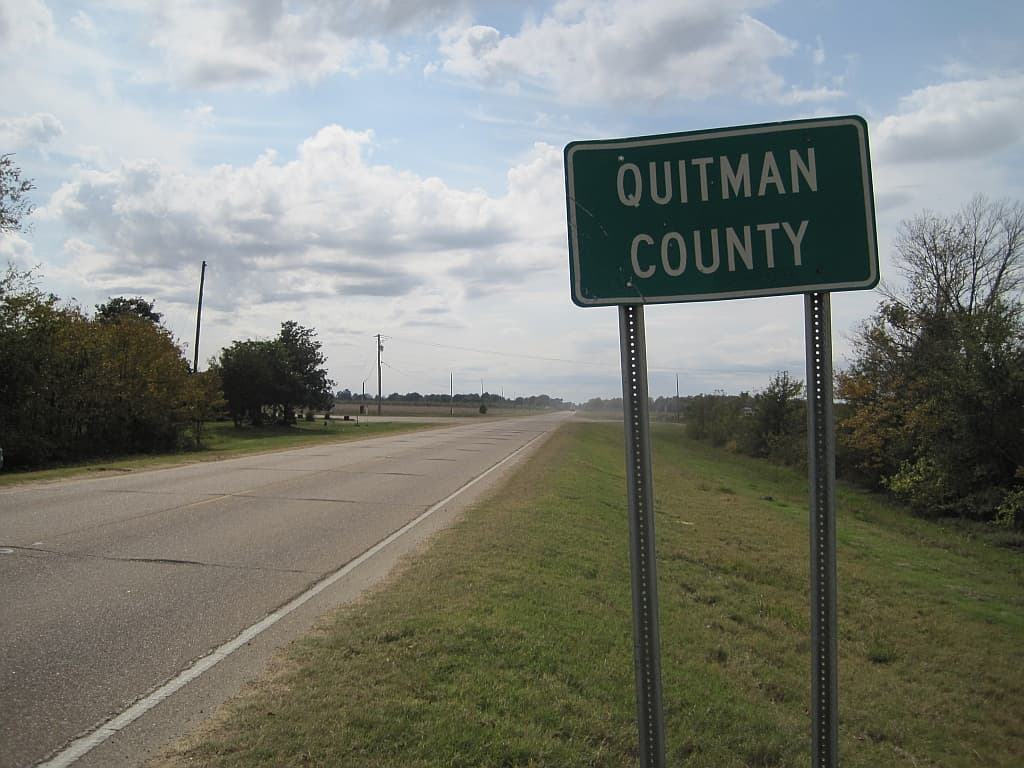
Heat built across Quitman County Friday with heat indices above 105 degrees under a National Weather Service advisory that ran through 8 p.m., forcing residents to think about outdoor work, travel and evening plans before the afternoon peak. In a county of 6,176 people spread across Marks, Crowder, Lambert and Falcon, the warning landed hardest on seniors, children and workers who spent long stretches outside.
National Weather Service Memphis said the Mississippi Delta was under a Heat Advisory because the heat index was expected to top 105 degrees, the level the agency uses in parts of Mississippi when dangerous heat is expected. The advisory also fit the weather service’s broader timing guidance, which typically flags excessive heat 24 to 36 hours before it arrives, giving crews, families and local offices little room to ignore the forecast.

The heat was only part of the risk. Forecasters also warned of multiple rounds of showers and thunderstorms that evening and overnight, with damaging wind gusts and localized flash flooding possible. That meant a day of punishing heat could turn into a night of rough travel on Quitman County’s rural roads, where even short trips between communities can add more time in unshaded vehicles and increase exposure for farmhands, maintenance crews and construction workers.

The county’s demographics made the advisory more serious than a routine summer alert. About 18.3% of residents were 65 or older, and the median household income was $32,412, both factors that can make air conditioning, utility bills and transportation harder to manage when temperatures spike. Quitman County also covers 405.0 square miles of land, so daily routines often involve distance, sun and time outside that can wear down older adults and families with young children.
Friday’s advisory was a reminder that extreme heat does not hit every household the same way. For some residents, it meant changing field schedules, cutting back outdoor work and getting errands done early. For others, it meant watching the clock closely and making sure the hottest hours did not become the most dangerous part of the day.
This article was produced by Prism’s automated news system from verified source data, official records, and press releases, then run through automated quality and moderation checks before publishing. The system is built and supervised by the people who set the standards it runs under. Read our full AI policy.
Did this article answer your question?