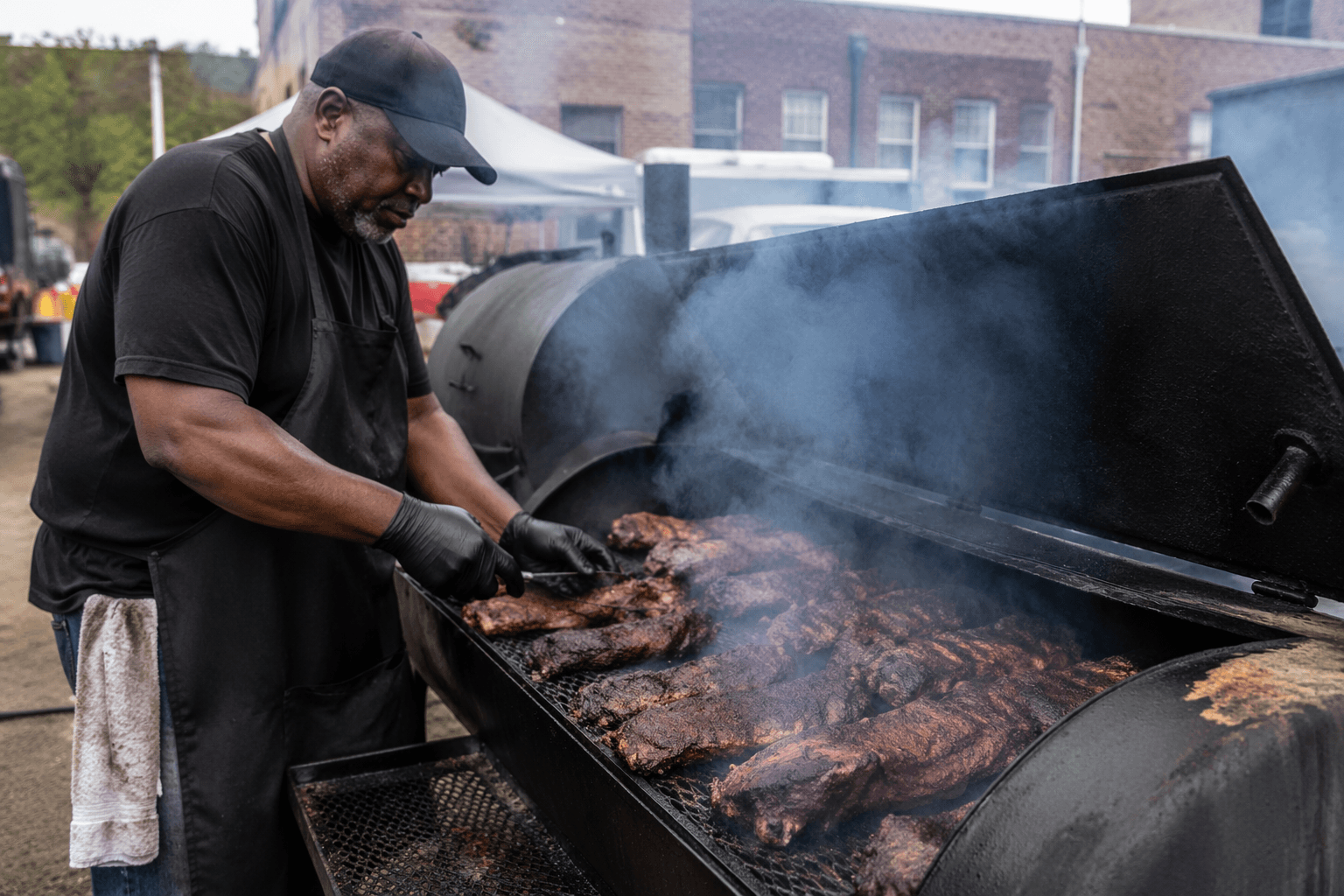
Quitman County’s music legacy spans Sledge, Crowder, Lambert and Vance
Quitman County’s music map runs from Charley Pride in Sledge to blues teachers in Crowder and Lambert, with Vance marking the county’s Delta-born roots.
Quitman County’s music story is not one marquee stage. It is a route through Sledge, Crowder, Lambert and Vance, with each place carrying a different part of the county’s country and blues history. In a county that counted 6,176 residents in the 2020 census and an estimated 5,364 in July 2025, those landmarks are close enough to visit and specific enough to recognize, from Highway 3 to 8th Street in Lambert.
Sledge and the Charley Pride route
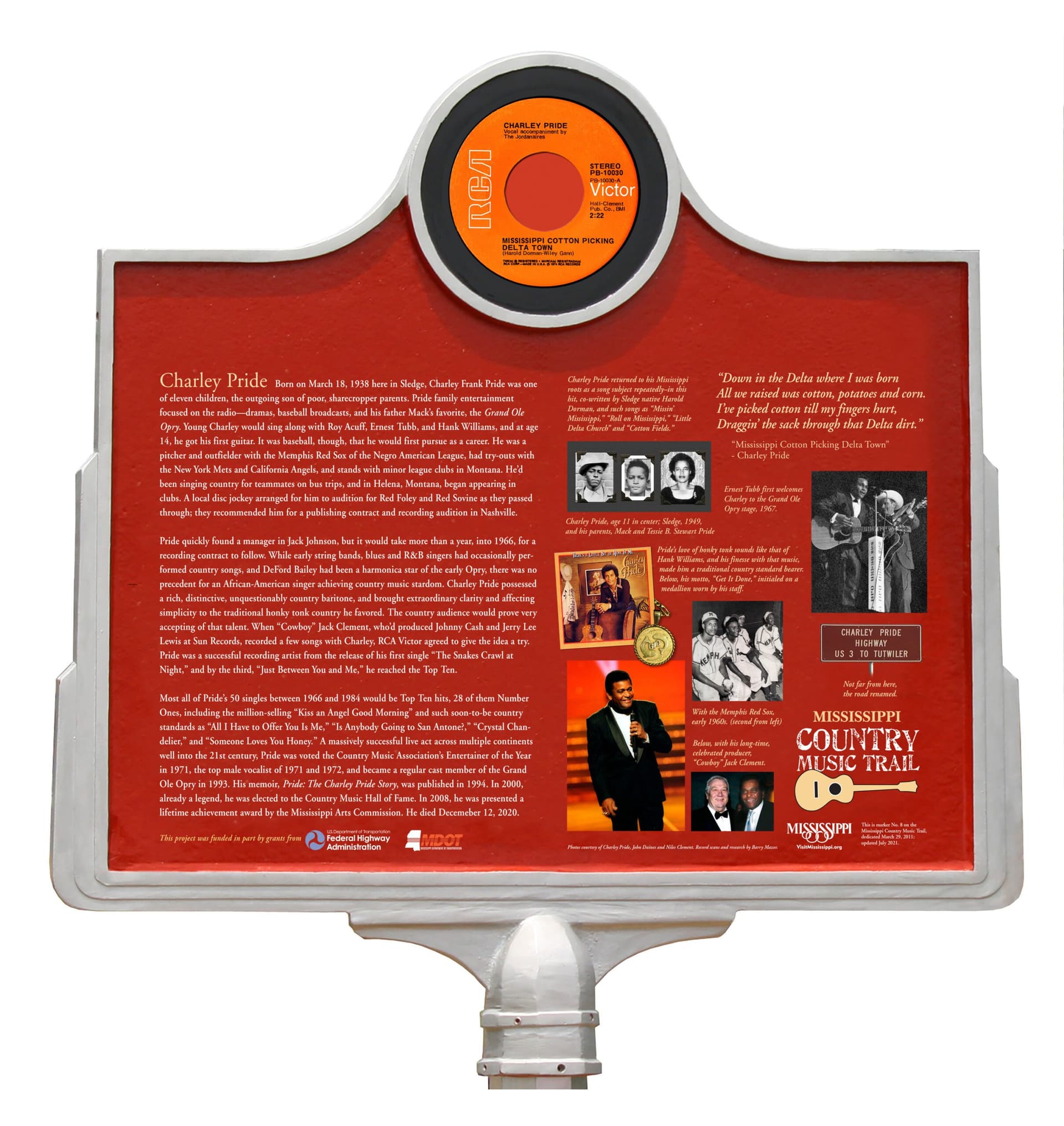
Sledge is the county’s clearest country-music waypoint. Charley Pride was born there on March 18, 1938, one of eleven children in a poor sharecropper family, and the Mississippi Country Music Trail says he became the most successful African American artist in country music, with 52 top ten singles and 28 No. 1 hits. The state named a 33-mile stretch of Highway 3 from Sledge to Tutwiler the Charley Pride Highway in 2003, turning the road itself into part of the story.
The marker in Sledge was unveiled in 2011, and the location matters because it gives visitors a fixed point for a national career that began in a small Delta town. Pride’s first public concert in Mississippi came in May 1971 at Delta State University, a reminder that state recognition followed long after he had already reached the top tier of American country music. Sledge gives the county a place where local pride and national accomplishment meet on the same stretch of road.
Crowder and the county’s blues classroom
Crowder tells a different part of the story. Johnnie Billington was born there in 1935 and grew up on a sharecropper’s farm, the kind of setting that shaped much of Quitman County’s music culture. As a young man, he listened to King Biscuit Time on KFFA out of Helena, Arkansas, and later carried that blues education into his work teaching children.
Billington spent more than 20 years teaching blues at the Delta Blues Museum and the Blues Academy in Lambert. That matters because it shows Quitman County’s legacy is not only about artists who left home and became famous, but also about teachers who brought the music back and made it usable for the next generation. Crowder is the place to connect the county’s farm history with its role as a living classroom for the blues.
Lambert and the 8th Street juke-joint corridor
Lambert anchors the county’s juke-joint memory. The Mississippi Blues Trail marker for Sunnyland Slim identifies Lambert’s 8th Street strip as a former blues hub and says Sunnyland Slim played organ behind silent films in nearby Lambert before moving on to Memphis and Chicago. That one detail ties a small Delta town to the wider migration of blues musicians into the national circuit.
The marker also links Quitman County to a wider roster of blues names, including Snooky Pryor, Jimmy Rogers, Earl Hooker, Big Jack Johnson, James Super Chikan Johnson and Johnnie Billington. Johnnie Billington’s presence at the marker unveiling in Lambert in the summer of 2011 made the county’s blues history feel immediate, not archival. Lambert is the place where the county’s music story can still be read in the street grid, not just in a book or museum case.
The Mississippi Blues Trail itself was created in 2006 by the Mississippi Blues Commission and now includes more than 210 markers. Quitman County’s place on that trail puts Lambert into a statewide network that uses roads, towns and intersections to explain how blues spread and where it stayed rooted.
Vance and the Delta foundation
Vance represents the deeper Delta base beneath both the country and blues stories. Sunnyland Slim, born Albert Luandrew, was born there and became a central figure on the Chicago blues scene from the 1940s to 1995. That arc, from Vance to Chicago, is a classic Delta migration story, but it also keeps the county visible in the national history of the blues.
The Mississippi Encyclopedia connects the county’s musicians by noting that Charley Pride came from Sledge, Johnnie Billington from Crowder, and Earl Hooker and Sunnyland Slim from Quitman County itself. In practice, that means the county’s legacy is spread across communities rather than concentrated in one institution. Vance adds the rural origin point that helps explain why Quitman County produced artists who could move between field work, local dance halls and national stages.
A county older than its modern music
Quitman County’s cultural map reaches back far beyond the twentieth century. The county says it has four Native American mounds listed on the National Register of Historic Places, and the Denton site dates to about 4000 B.C., making it a significant prehistoric cultural node. The county was formed in 1877 from parts of Tunica, Coahoma, Panola and Tallahatchie counties, which helps explain why its identity has always been shaped by movement, settlement and exchange.
The farm economy also fits the music history. The Mississippi Encyclopedia says 92 percent of Quitman County farms were smaller than 50 acres, above the Mississippi average of 72 percent. That is the sharecropper world that shaped Pride’s family in Sledge and Billington’s upbringing in Crowder, and it helps connect the county’s music heritage to the land and labor that formed it.
How Quitman County can use the legacy now
The county already has the pieces for a practical heritage route that residents can use and schools can build around. Sledge offers the country-music anchor, Crowder offers a blues-teaching story, Lambert offers a former juke-joint district, and Vance offers the rural Delta origin point. The county’s own tourism message, with its promise of “blues legends and country music greats, archeological treasures and civil rights icons,” gives local leaders a framework for turning history into civic programming.
- School field trips that pair the Denton site with the Charley Pride Highway and the Sledge marker.
- Youth blues workshops in Lambert that build on Johnnie Billington’s teaching legacy at the Delta Blues Museum and the Blues Academy.
- Community music days centered on 8th Street in Lambert, with signage that explains the former juke-joint corridor.
- A self-guided county map that connects Vance, Crowder, Sledge and Tutwiler by road, so families can trace the music history in a single afternoon.
A workable countywide plan could include:
That kind of programming would not invent a new identity for Quitman County. It would make the existing one easier to see, easier to teach and easier to pass on.
This article was produced by Prism’s automated news system from verified source data, official records, and press releases, then run through automated quality and moderation checks before publishing. The system is built and supervised by the people who set the standards it runs under. Read our full AI policy.
Did this article answer your question?