Bank mergers reshape Rockwall business banking, raising concerns over local access
North Texas bank mergers are pushing more Rockwall lending decisions farther from home, and local bankers say that can mean slower approvals and tighter credit for expanding firms.
Local businesses are feeling the merger wave first
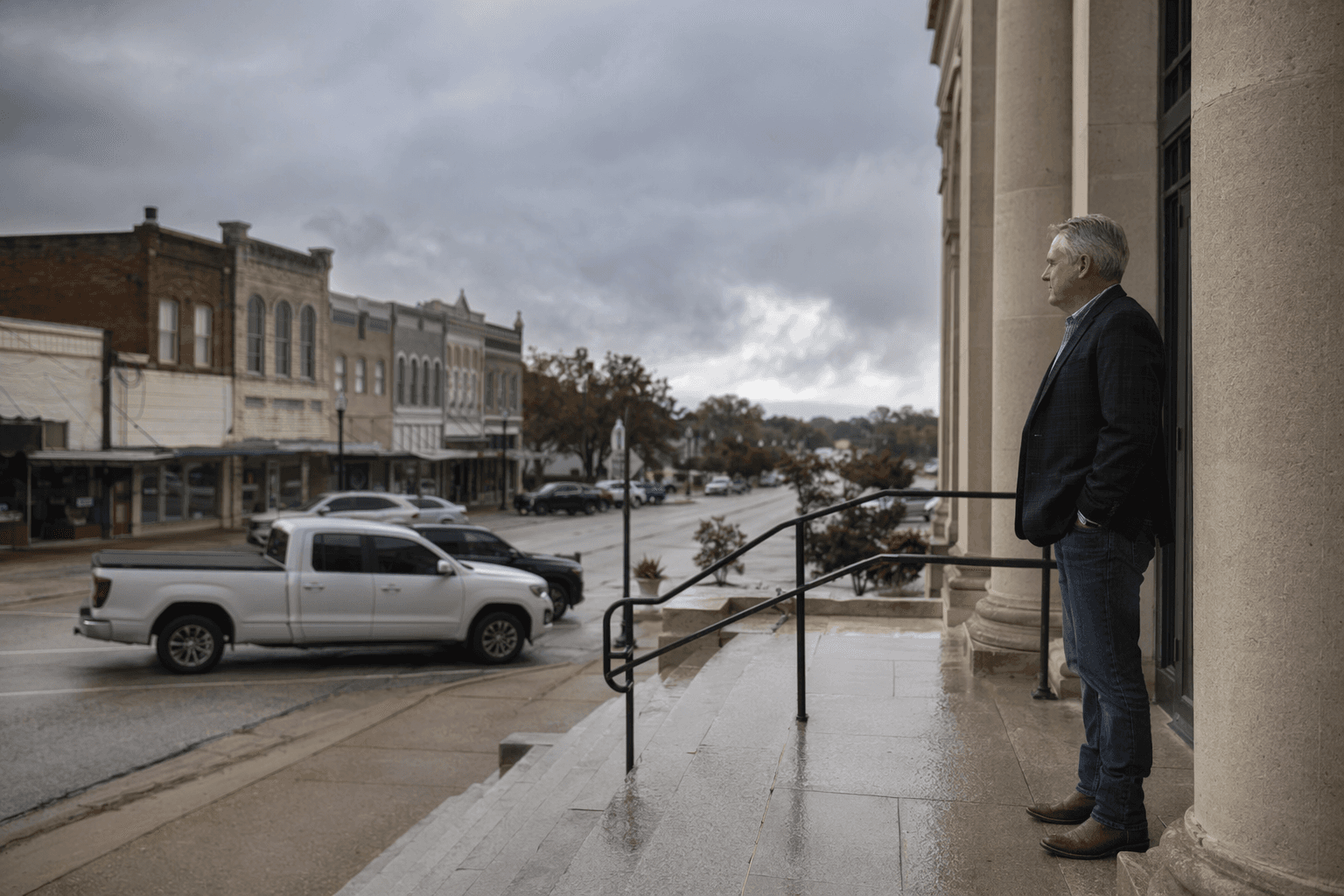
A loan renewal that once moved through a Rockwall banker’s office can now end up routed to a committee far outside North Texas. That shift is what worries business owners most as banking consolidation spreads across the region: slower approvals, less flexibility on credit lines, and fewer lenders who know the people behind the numbers.
In Rockwall County, the issue is not abstract. If a contractor needs a bigger working-capital line before a busy season, or a retailer wants financing for another storefront, the difference between local judgment and centralized decision-making can decide how quickly a deal closes. Bankers say that is why mergers matter well beyond branch signs and corporate logos.
Why the consolidation matters now
The latest wave of bank deal-making has been strong enough to reshape the local landscape. Several Texas-based banks have been acquired or merged over the past year and a half, a pattern tied to the broader rise of “Y’all Street,” the shorthand for Wall Street’s growing attention to Texas banking and finance.
The numbers show the industry is moving again after a quieter stretch. The Federal Reserve Bank of Kansas City reported 127 completed mergers involving community banking organizations in 2025, the highest total since 2021, when there were 152. That surge came after merger activity slowed from 2022 through 2024, when higher interest rates and lower fair values of fixed-rate assets made bank combinations harder to justify.
For Rockwall and surrounding communities, the practical result is a more centralized banking environment. Larger institutions can bring scale, broader product menus, and more technology. But that upside often comes with a tradeoff: local credit decisions may now be made by people who do not know the county’s employers, commercial corridors, or the pace of growth along the Dallas side of the metro.
What local decision-making changes in practice
Chris Cronin, president and chief operating officer at American National Bank of Texas, says the difference comes down to whether bankers understand the business, the market, and the people involved. That matters most when a company is asking for financing that does not fit neatly into a standardized box.
American National Bank of Texas says it has served the region for more than 150 years and remains independently owned, with more than $5.5 billion in assets. That history gives the bank a clear message in a market where ownership is changing fast: keep decisions close to the community, not in a boardroom in another state.
For a small or mid-sized company, that can mean more than convenience. It can affect whether a lender is willing to extend extra time during a slow quarter, support an acquisition, or understand why a seasonal business needs a different repayment structure. When the relationship banker is replaced by a remote approval chain, trust can take longer to build, and that can slow growth.
Rockwall’s community banks are leaning into the local pitch
Other community-focused institutions in the region are sharpening the same message. HomeBank Texas and Guaranty Bank & Trust continue to emphasize relationship banking and local leadership as consolidation accelerates around them.
HomeBank Texas has also been recognized locally for that approach. The Rockwall Area Chamber of Commerce named the bank its 2026 Best Practices in Community Involvement & Impact Award recipient, and the bank marked 25 years as a Chamber partner. In a county where business relationships often run through civic groups, chambers, and local sponsorships, that kind of presence is more than branding. It is part of the way smaller banks argue they stay accountable to the market they serve.
That local connection matters in Rockwall because business growth here is tied to speed. Owners building out space, adding equipment, or moving into a second location often need answers fast. A bank that knows the area can sometimes move more quickly because it understands the borrower’s track record and the local demand driving the expansion.
The regulatory backdrop is still changing
The merger wave is also happening under a more active regulatory spotlight. The Federal Deposit Insurance Corporation’s final Statement of Policy on Bank Merger Transactions was published on September 27, 2024, and superseded the older 2008 framework effective October 28, 2024. That update signals that merger reviews remain a live issue for regulators as consolidation continues.
Texas community-banking advocates are watching closely. The Independent Bankers Association of Texas says it represents more than 2,500 banks and branches in more than 700 Texas communities, a reminder that community banking is still a major part of the state’s financial infrastructure even as larger institutions gain ground.
That broad footprint matters for places like Rockwall County, where a bank is often not just a lender but a business connector. Community banks frequently know which developers are active, which contractors are reliable, and which employers drive deposits and payrolls. When those decisions move away from town, the local economy can lose some of its informal but important credit intelligence.
What Rockwall business owners should watch next
- A familiar branch changes names or closes after a merger.
- A longtime relationship banker leaves, and loan requests start going through a centralized process.
- Credit terms become less flexible, especially for expansion financing or seasonal borrowing.
- Turnaround times lengthen when approvals are no longer local.
The most immediate changes are usually easy to spot:
Those changes do not mean every merger is bad for customers. Bigger banks can add digital tools, more deposit products, and wider geographic reach. But for Rockwall-area firms that rely on personal relationships and quick underwriting, the loss of a local decision-maker can feel immediate.
The bigger story is that Rockwall County sits in one of the state’s fastest-growing financial markets, and that growth is drawing more outside capital, more bank combinations, and more pressure on local institutions to prove why hometown decision-making still matters. In a place where business expansion depends on speed and trust, the banks that keep both close to home may gain the strongest edge.
This article was produced by Prism’s automated news system from verified source data, official records, and press releases, then run through automated quality and moderation checks before publishing. The system is built and supervised by the people who set the standards it runs under. Read our full AI policy.
Did this article answer your question?