Bath museum preserves centuries of shipbuilding history in the City of Ships
Bath’s museum connects the Kennebec waterfront, Bath Iron Works, and a 1607 ship-launching tradition that still defines the City of Ships.
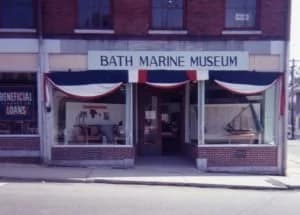
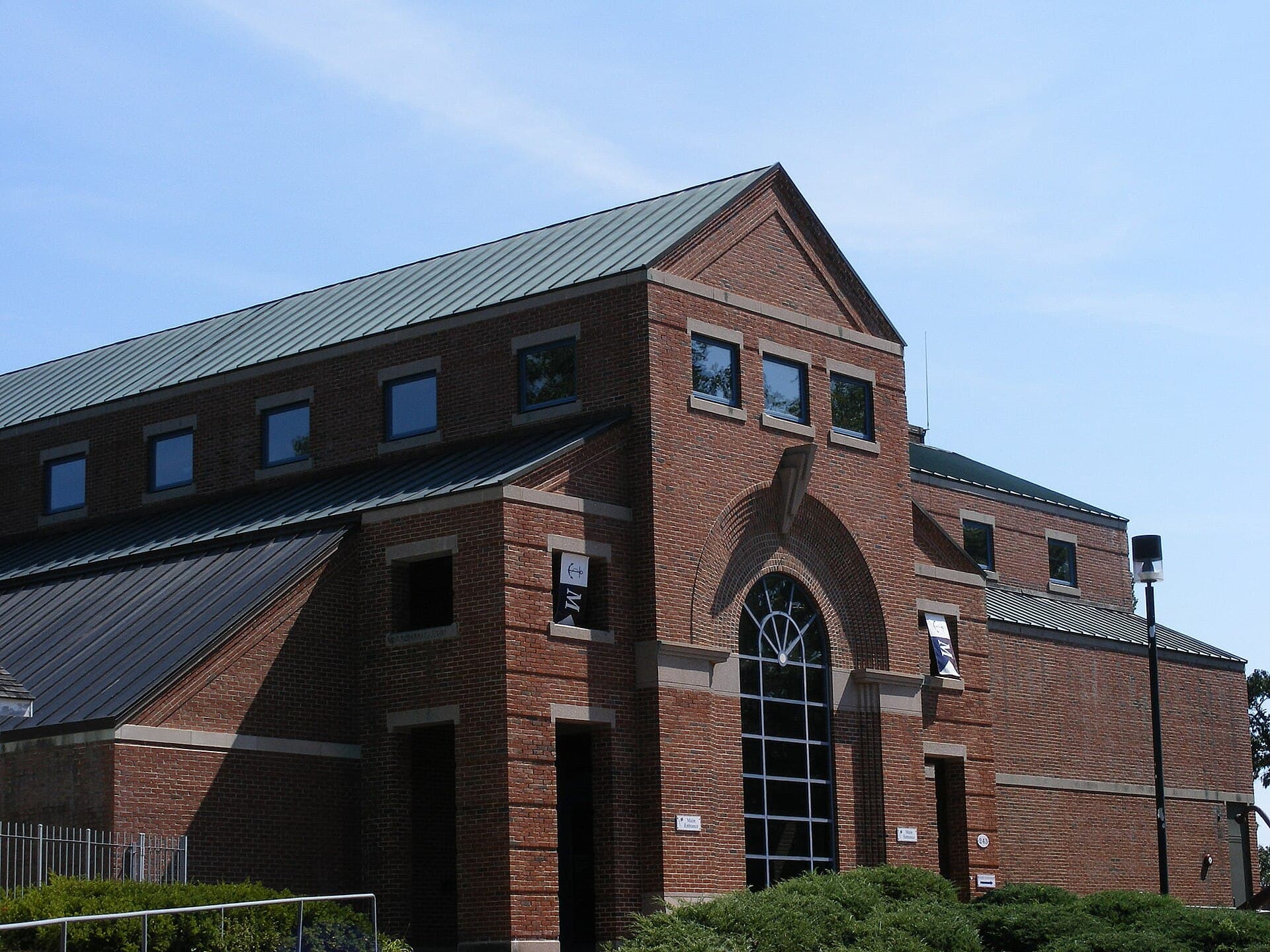
The most important thing to understand about the Maine Maritime Museum is that it is not standing apart from Bath’s identity. It sits on a 20-acre campus on the banks of the Kennebec River in a city where shipbuilding has shaped the waterfront, the economy, and the way people describe home for generations. In Bath, the museum is less a stop on a history tour than a window into a living industrial landscape that still includes Bath Iron Works, downtown Bath, and the river corridor that made the city famous.
A museum built to hold onto Bath’s shipbuilding memory
The Maine Maritime Museum began in 1962 as the Marine Research Society of Bath, doing business as the Bath Marine Museum. That origin matters because it shows the museum was created by people who understood that maritime history could disappear quickly if it was not collected, labeled, and interpreted while the city’s shipbuilding culture was still visible. Its mission remains focused on promoting understanding and appreciation of Maine’s maritime heritage and culture.
The museum describes its work in practical terms: it collects, preserves, and interprets materials relating to Maine’s maritime history. That makes it a custodian of more than objects. It is also preserving the story of how Bath developed as a river city where shipyards, waterfront labor, and maritime commerce were part of everyday life. Google Arts & Culture places that mission in the same frame, identifying the museum as a 1962 institution in the City of Ships, Bath, Maine.
Why Bath became the City of Ships
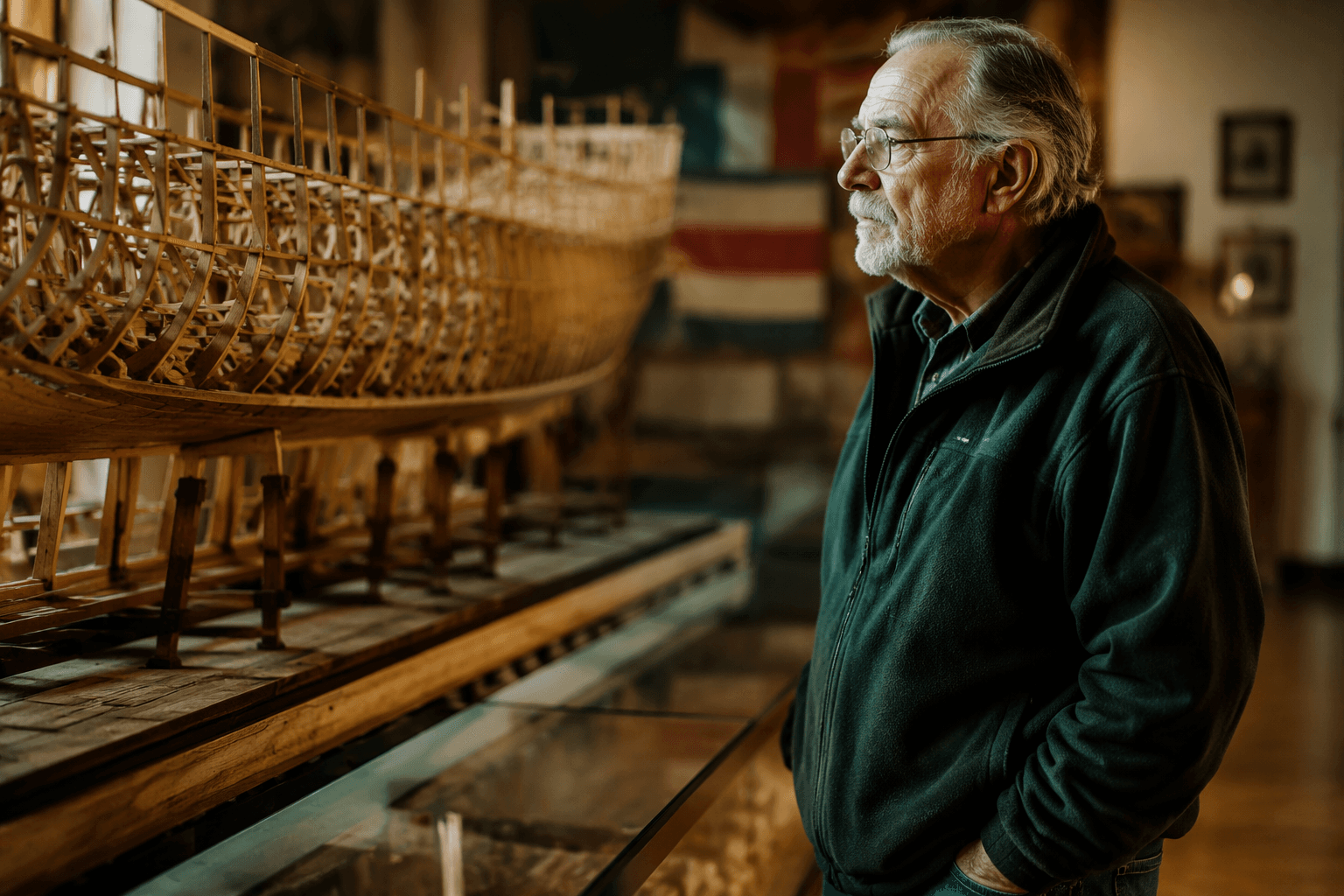
Bath’s maritime story reaches back to 1607, when the first ship built in the New World by English settlers was launched there, according to the Advisory Council on Historic Preservation. The town sits about 10 miles from the Atlantic Ocean on the Kennebec River, a location that helped make it a natural place for building and launching vessels. The river gave shipwrights access to transport, timber, and deep-water trade routes, while the relative closeness to the ocean connected Bath to the wider maritime economy.
That geography helped turn a small seafaring town into a major shipbuilding center. Maine’s First Ship says Bath once had more than 22 shipyards and produced about 25% of the wooden ships built in the United States. Those numbers explain why the city’s identity still carries such weight today: Bath was not just home to a few builders, but to an entire industrial network organized around the river.
For visitors trying to understand why Bath still calls itself the City of Ships, those facts matter more than any single exhibit case. The museum helps make sense of a place where shipbuilding was once so dense that the waterfront itself functioned as an engine of commerce, labor, and local pride.
What to see on the museum campus
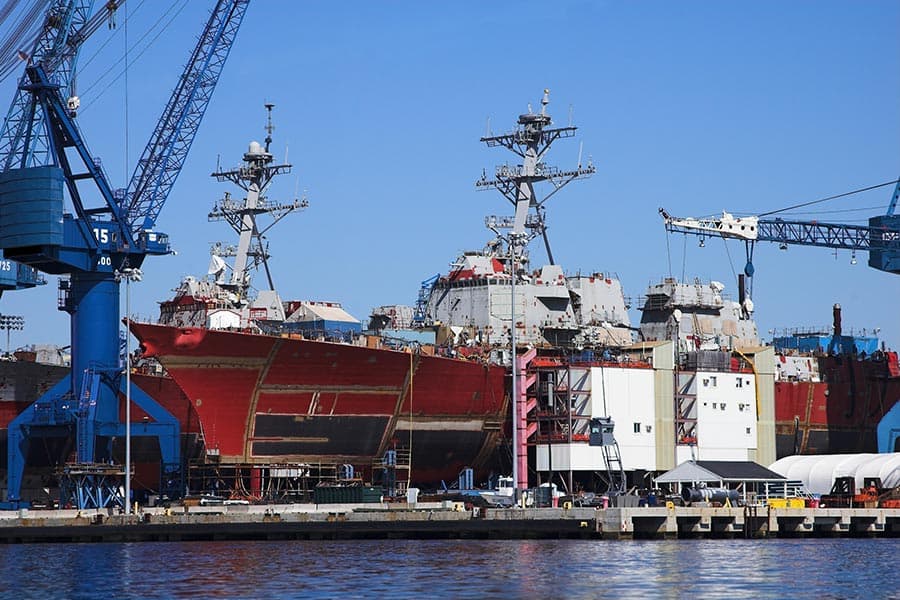
The Maine Maritime Museum’s campus is designed to connect indoor interpretation with the river setting that made the whole story possible. Its exhibits and programs include the historic Percy & Small Shipyard, educational programs, narrated boat cruises, and both gallery and outdoor interpretation. Together, those elements let visitors move between objects, structures, and the landscape that shaped them.
That combination is especially useful in Bath because the city’s maritime history is not sealed off in one building. The Kennebec River remains the backdrop, and the museum’s outdoor interpretation lets the setting do part of the storytelling. The Percy & Small Shipyard gives the history a concrete place, while the narrated boat cruises extend the experience onto the water itself, where Bath’s industrial past becomes easier to picture.
The museum’s 20-acre footprint also gives it room to show that maritime history is bigger than a single era. Bath is known nationally for modern naval production, but the museum’s interpretation reaches beyond steel warships to the wooden shipbuilding traditions that helped make the city famous in the first place. That broader view is what makes the campus relevant to both first-time visitors and longtime residents who know the river as part of daily life.
How the past still shapes the present
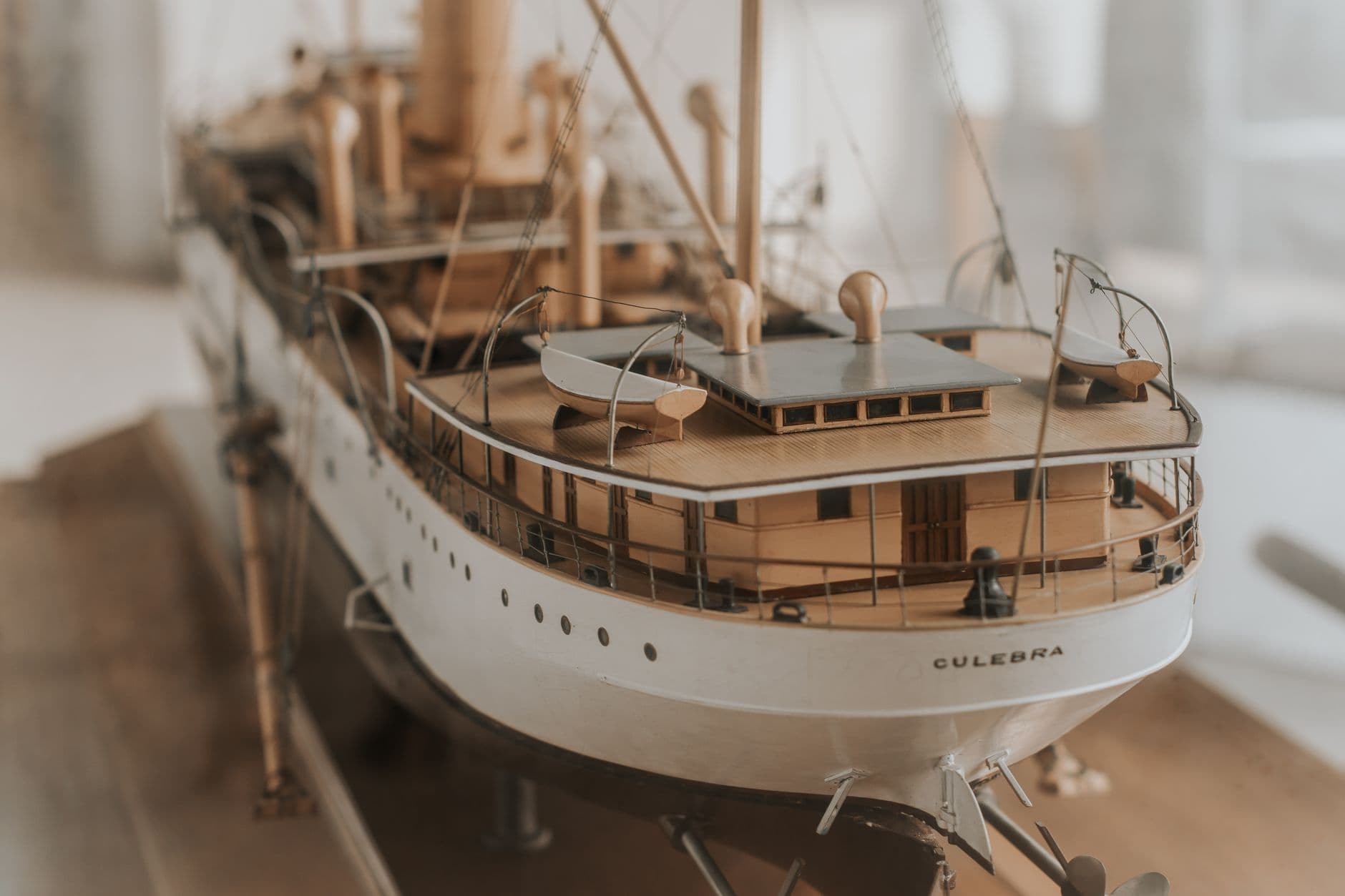
Bath Iron Works is still a major shipbuilder in the city, and that continuity is central to Bath’s identity. The old shipyard era and the modern naval era are not separate stories here. They are part of the same civic narrative, with the Kennebec River linking the city’s earliest launches to the industrial work still associated with Bath today.
That connection helps explain why the museum matters beyond tourism. It gives the city a place to frame its own economy and landscape in historical context. Downtown Bath, the waterfront, and the riverfront campus all work together to keep that memory visible. Visitors can see that the city’s present-day character is still tied to the same geography that shaped its earliest shipbuilders.
The museum is especially useful because it bridges the gap between industrial history and public understanding. A city with more than 22 shipyards in its past and a major shipbuilder still operating today needs a way to explain how those eras connect. The Maine Maritime Museum does that by preserving materials, interpreting them for the public, and placing them on a site that overlooks the river where the whole story began.
Why this story still resonates in Sagadahoc County
In Sagadahoc County, Bath’s shipbuilding legacy is not an abstract historical footnote. It shows up in the city’s skyline, its waterfront, its institutions, and the way it continues to market itself as the City of Ships. The museum gives shape to a history that could otherwise be reduced to dates and ship counts, and it makes clear that the city’s maritime identity is still being lived rather than merely remembered.
That is why the Maine Maritime Museum remains one of Bath’s most useful civic landmarks. It preserves a 1607 origin story, explains the rise of a city with more than 22 shipyards, and places that history beside the working shipbuilding culture that still defines Bath today.
This article was produced by Prism’s automated news system from verified source data, official records, and press releases, then run through automated quality and moderation checks before publishing. The system is built and supervised by the people who set the standards it runs under. Read our full AI policy.
Did this article answer your question?