Bath Tech internships at Bowdoin strengthen local career-education pathways
Bath Tech students completed internships at Bowdoin College on Jan. 9, boosting hands-on learning and workforce-readiness for Sagadahoc County youth.
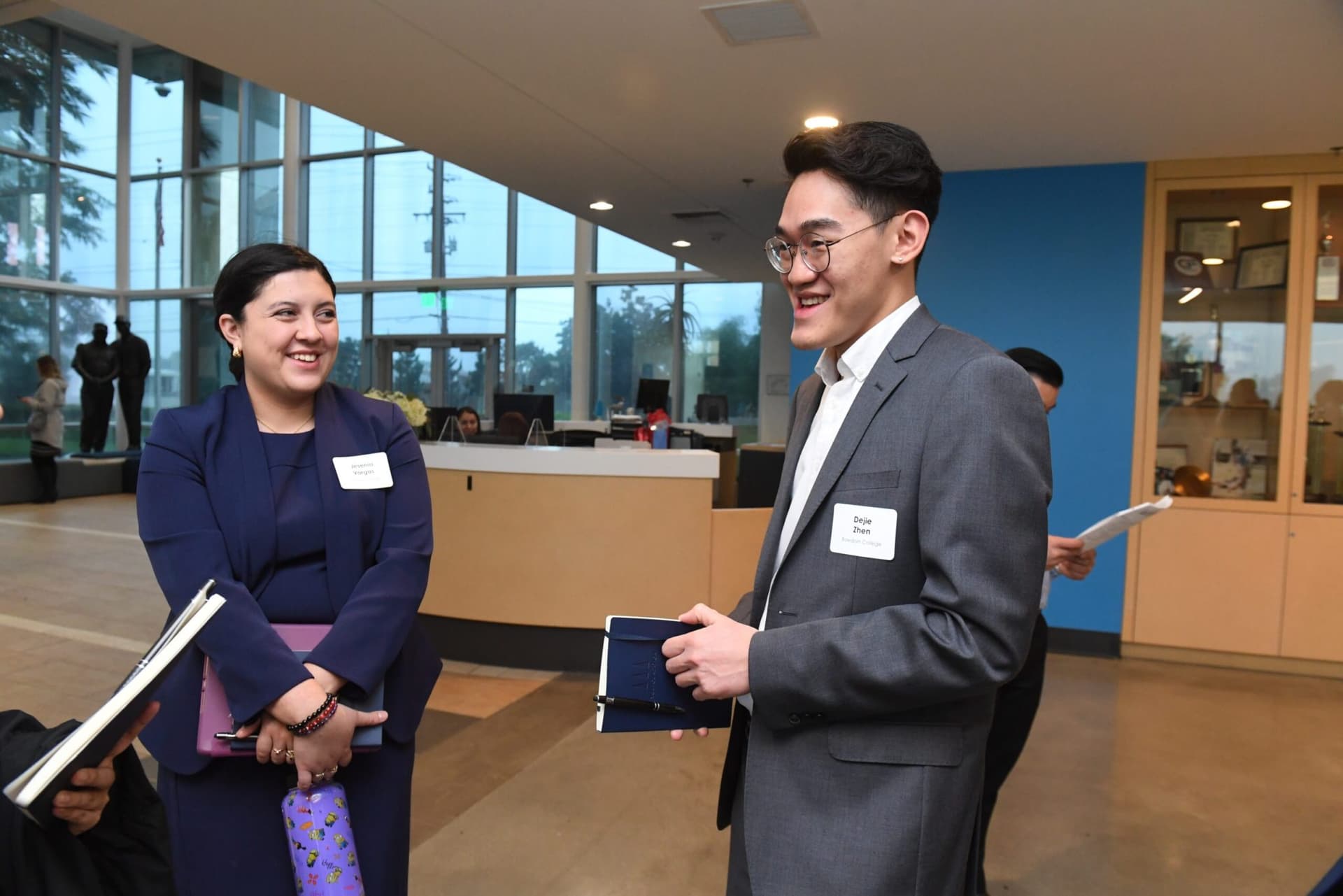
Bath Tech students spent time interning at Bowdoin College, a partnership announced Jan. 9 that places regional technical students into real-world work and learning environments. The placements are designed to expand hands-on learning, build workforce-readiness skills, and strengthen college-career linkages for young people across Sagadahoc County.
The internships connect Bath Tech, the regional vocational and technical center serving Bath area students, with Bowdoin’s campus departments and operations. Students were assigned to roles that emphasize applied skills and workplace practices, giving them experience beyond classroom simulations and trade labs. For families and local employers, that means students return with both practical competencies and clearer pathways to further education or employment.
From a public health and social equity perspective, these kinds of partnerships matter. Work-based learning keeps students engaged, improves school-to-work transitions, and addresses social determinants of health by increasing economic opportunity for young people in our community. Career and technical education helps reduce barriers for students who may not follow a traditional four-year college track, offering viable routes to stable employment and career advancement in Sagadahoc County.
The Bowdoin-Bath Tech link also strengthens local workforce pipelines. Employers often seek hires who already understand workplace culture and safety practices; internships help students develop those soft and technical skills. For a county with a mix of small businesses, service employers, and institutional employers like colleges, clearer education-to-employment pathways can help retain talent locally and support economic resilience.

Policy implications are clear: sustained investment in career and technical education, and formalized partnerships between K-12 programs and higher-education institutions, amplify benefits. School districts and municipal leaders can support expansion by prioritizing funding for staff who coordinate placements, transportation solutions for students, and equitable access so internships reach historically underserved youth across the county.
Practically speaking, families should note that these programs give students tangible resumes and references, and local employers can consider hosting students as a way to train future workers. For educators, the model demonstrates how collaboration with regional institutions deepens curriculum relevance and helps meet college and career benchmarks.
Our two cents? Think of these internships as a rising tide that lifts more than just resumes, they shore up futures. If you have a student at Bath Tech, ask their counselor about Bowdoin placements and how hands-on experience could shape next steps.
Know something we missed? Have a correction or additional information?
Submit a Tip