Bowdoin exhibit explores Wabanaki history, Maine land claims settlement
Bowdoin's new Wabanaki exhibit turns Brunswick into a place to hear Maine's land-claims history in the voices of the people who lived it. It pairs oral testimony, photos and state power.
Bowdoin turns a statewide fight over land, memory and power into a Brunswick exhibit
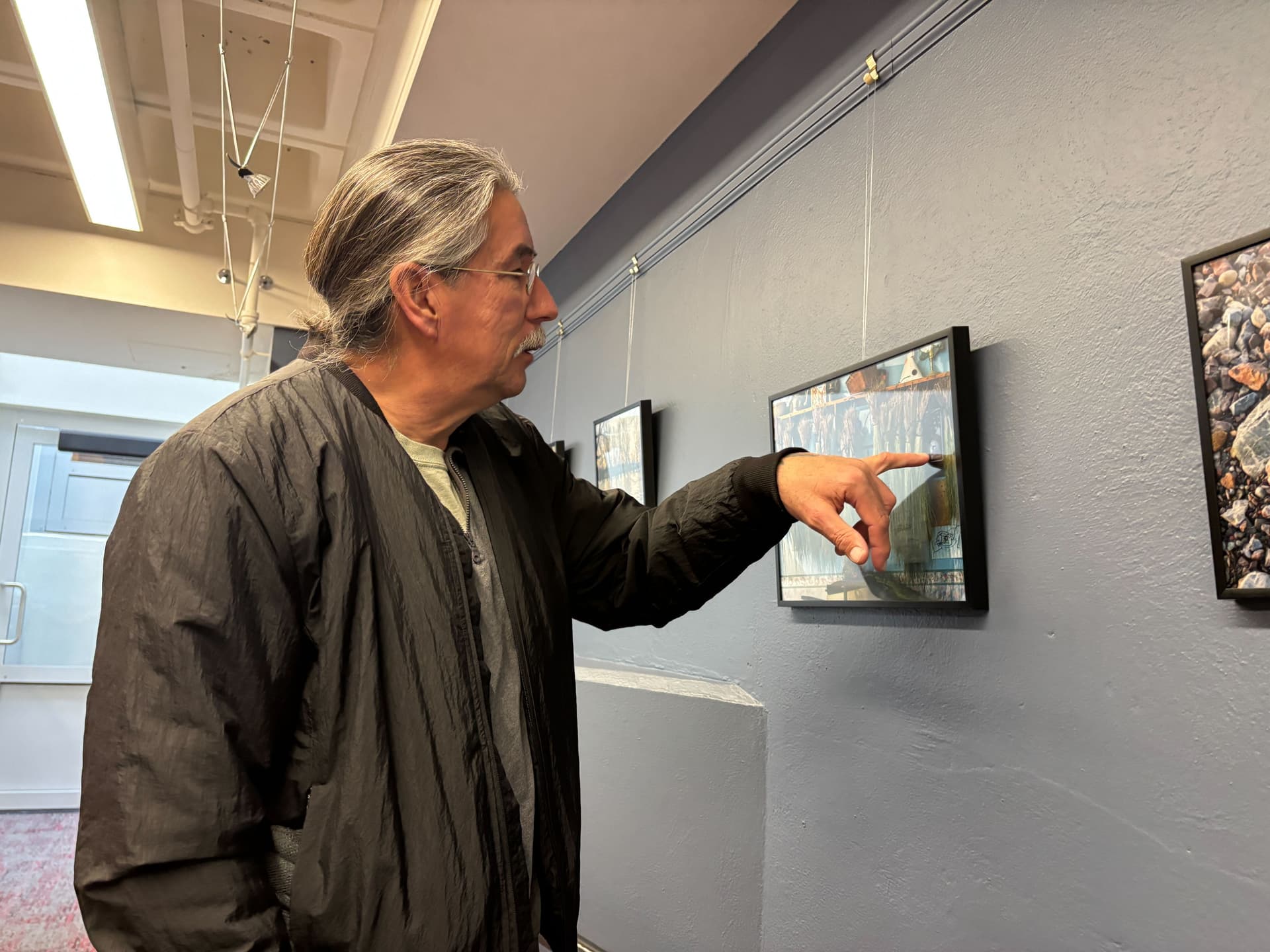
Bowdoin College is giving Brunswick residents a close look at one of Maine’s most consequential and contested chapters: the Wabanaki experience of land claims, settlement and the state systems that followed. The new exhibit, built around Wabanaki REACH’s “Beyond the Claims - Stories from the Land & the Heart,” is not just a display of photographs and artifacts. It is a truth-telling project that asks who gets remembered, who gets preserved in the record and who gets to define Maine’s history.
What visitors will encounter
The exhibit format, called “Wikhikonol: Stories & Photos,” combines image and sound and uses stories selected from the oral history interviews gathered by Wabanaki REACH. Photography by Nolan Altvater and Maya Attean gives the project a visual frame, while the audio component centers the people whose lives were shaped by the Maine Indian land claims settlement and the policies that grew from it.
Bowdoin’s library says the project will be available through Bowdoin Digital Collections, which means this is not a one-room display that disappears after a short run. It becomes part of the college’s permanent digital record, with access extending beyond the exhibit walls. The archive opening was held on April 22, 2026, and a related lunchtime discussion about Bowdoin-Wabanaki collaborations is scheduled for April 30, giving the exhibit both a public-facing and a campus-facing role.
The history at the center of the exhibit
The legal backbone of the exhibit is the Maine Indian Claims Settlement Act of 1980, signed by President Jimmy Carter on October 10, 1980. That settlement recognized the Passamaquoddy Tribe, the Penobscot Nation and the Houlton Band of Maliseet Indians. The Aroostook Band of Micmacs was recognized later, in 1989.
That matters because the exhibit does not treat the settlement as a closed chapter. Wabanaki REACH says the project also engages the Maine Implementing Act and the long-term effects of both laws, which still shape Wabanaki and Maine communities today. In practical terms, the show gives Brunswick viewers a way to confront how a federal statute and a state settlement continue to influence land, governance, memory and public understanding.
Why this is a local story, not just a historical one
Bowdoin is not simply lending a gallery wall. It is positioning its library and archives as part of the conversation over how Maine institutions preserve Indigenous history. That makes the exhibit especially relevant in Brunswick, where Bowdoin is one of the town’s most visible institutions and one that still shapes how many people encounter Wabanaki history for the first time.
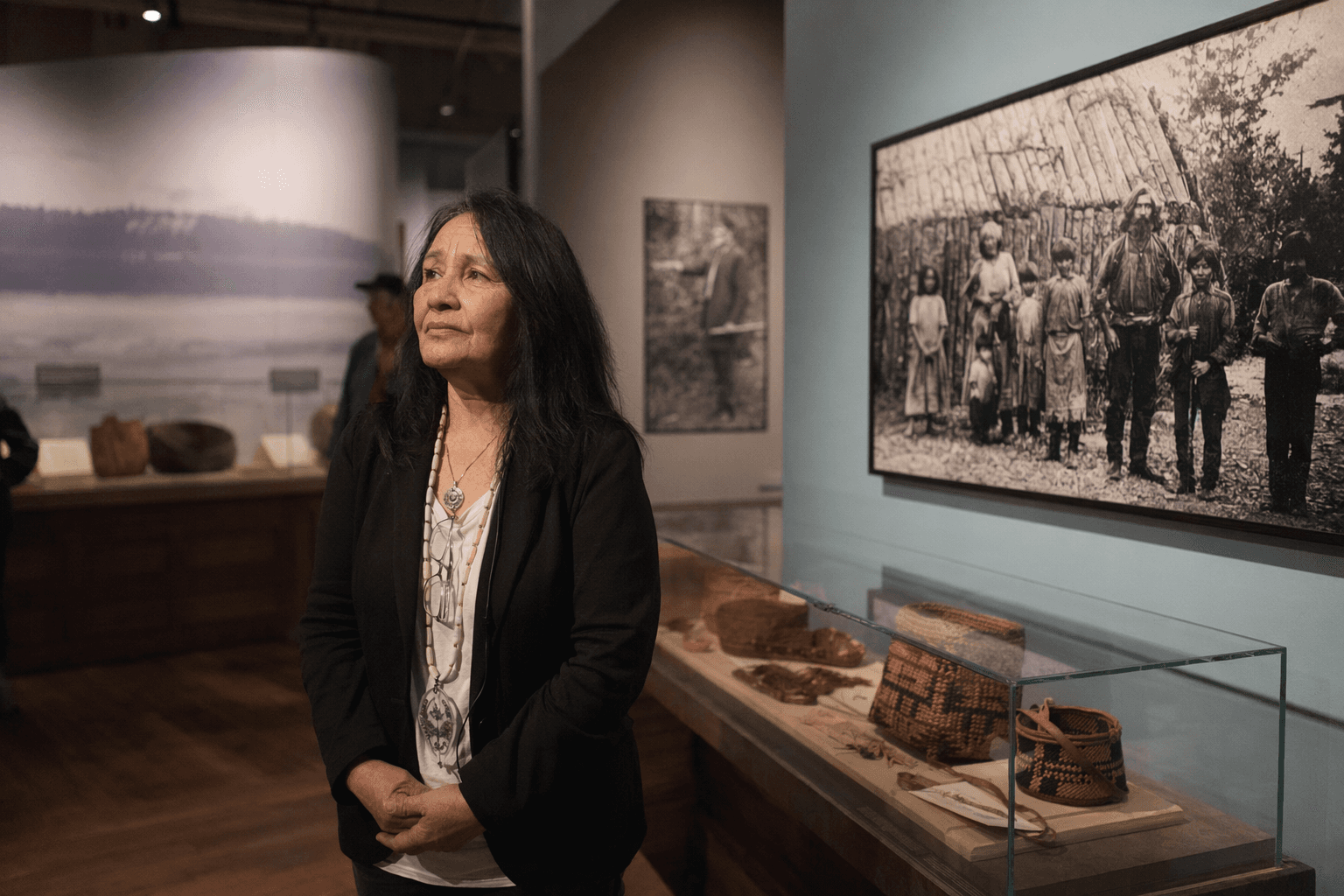
The college’s George J. Mitchell Department of Special Collections & Archives says it holds more than 750 archival and manuscript collections, a reminder of the institution’s ability to steward material that becomes part of the public record. In this case, stewardship is not neutral storage. It is an active choice about what gets collected, how it is organized and who can see it. For local readers, that is the core issue: whether Brunswick’s leading academic institution uses its reach to widen access to Wabanaki voices or leaves those stories buried in administrative memory.
Who is speaking in the project
Wabanaki REACH says “Beyond the Claims - Stories from the Land & the Heart” was developed over 2021 to 2024 through deep conversations with Wabanaki and Maine communities. The project brought together elders, Tribal Chiefs, legislators, lawyers, commissioners, poets, culture keepers and families affected by MICSA across generations.
The organization says it recorded and preserved more than forty oral history interviews. The Press Herald reported that 38 storytellers were included in the initiative, underscoring how broad the project has become. Among the people connected to the April 2026 panel were Linda Meader-Newell, Wabanaki REACH board co-chair Juanita Grant, project coordinator Kate Russell and Penobscot historian Maria Girouard, who moderated the discussion.
That lineup is important because it shows the exhibit is built from lived experience, not an outside interpretation imposed after the fact. The voices featured include people who experienced the legal and cultural consequences of the settlement directly, as well as those who helped document and explain it.
What this means for Brunswick and Sagadahoc County
For people in Brunswick and across Sagadahoc County, the exhibit offers a practical entry point into a subject that is often discussed in legal or political terms but rarely encountered through the people who lived it. Visitors will find a project that treats oral testimony as historical evidence, photos as memory work and the archive as a tool for public accountability.
That is why the exhibit matters now. Maine’s public understanding of Wabanaki history has often been shaped by official documents, state policy and institutional silence. Bowdoin’s exhibit pushes against that pattern by placing Wabanaki voices inside a major local institution, where students, faculty and community members can hear how settlement, land and state authority have affected families for generations.
For a town like Brunswick, where Bowdoin’s influence is hard to miss, that is more than an arts event. It is a test of whether local institutions are willing to preserve difficult history in full view, with the people most affected by it speaking for themselves. The exhibit’s greatest value is not that it revisits the past, but that it makes the past impossible to separate from the present.
This article was produced by Prism’s automated news system from verified source data, official records, and press releases, then run through automated quality and moderation checks before publishing. The system is built and supervised by the people who set the standards it runs under. Read our full AI policy.
Did this article answer your question?