Brunswick Resident Urges Broader Acknowledgment of PFAS Harms
A Brunswick resident wrote an opinion letter on December 26, 2025 calling attention to groups left out of public discussion after the August 2024 firefighting foam spill at the former Brunswick Naval Air Station and Brunswick Landing. The letter frames PFAS contamination as a multi decade problem that continues to affect residents, workers and local businesses, and it asks for expanded testing, health monitoring and more equitable responses.
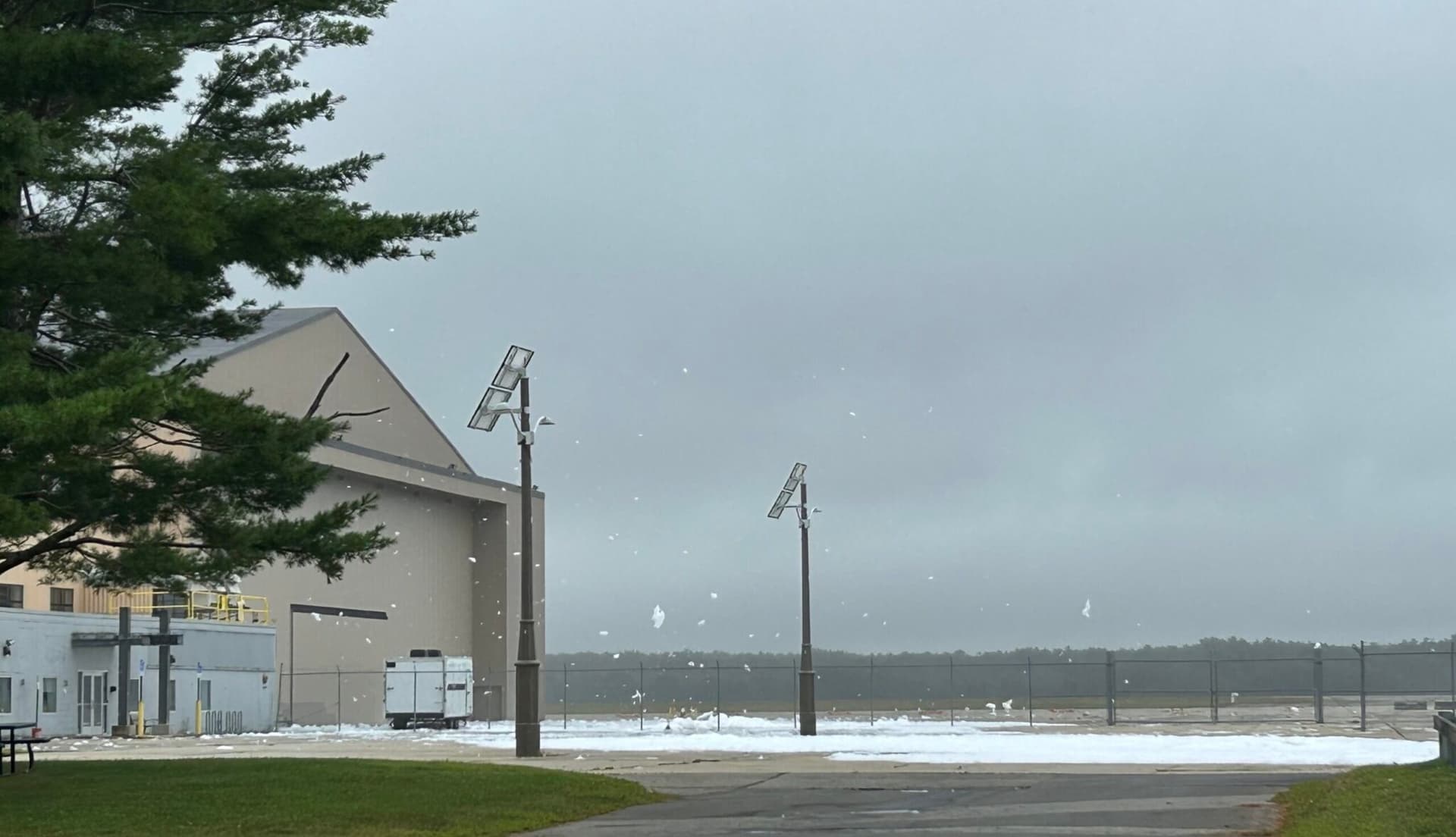
A Brunswick resident urged local officials and the public to broaden the conversation about PFAS contamination following the August 2024 release of aqueous film forming foam at the former Brunswick Naval Air Station and Brunswick Landing. The opinion letter was posted on December 26, 2025 and criticized earlier commentary for omitting many impacted perspectives, from first responders to shellfish harvesters.
The writer listed several groups they said have been sidelined in official accounts. Those named include former inspectors, responders who initially worked without protective respiratory equipment, residents and business owners who worry about exposure, people who paid to test or filter private wells or who had to connect to municipal water, shellfish harvesters affected by closures, and neighbors who live beyond the officially defined impact area. The author framed PFAS contamination as a long standing, multi decade issue at the site that predates the 2024 spill, and called for broader acknowledgment of ongoing harms.
Public health experts have long warned that PFAS chemicals persist in the environment and can travel in groundwater and surface water, creating challenges for cleanup and long term community health planning. For Sagadahoc County residents the concerns are immediate and practical. Private well users face testing and filtration costs. Commercial and recreational shellfish harvesters contend with water closures that affect livelihoods and local food security. Former and current workers who lacked protective equipment raise questions about occupational safety and access to medical monitoring.

The letter highlights equity issues in cleanup and response. Neighbors outside the mapped impact zone may experience exposure yet lack access to resources that are available to those inside official boundaries. The writer’s account underscores the need for transparent testing, inclusive public health outreach, and policy measures that address both short term needs and decades of contamination.
Local leaders, health agencies and state regulators face decisions about expanding sampling, providing long term health monitoring and ensuring assistance reaches those who bore costs already. As the community continues to grapple with PFAS, residents are calling for responses that reflect the full range of harms and the unequal burdens borne by workers, homeowners and small businesses.
Know something we missed? Have a correction or additional information?
Submit a Tip