Former MRRA Director Says Malfunction Caused PFAS Foam Release, Calls for Cooperative Response
Former MRRA executive director Steve Levesque argued that an August 2024 accidental release of PFAS containing aircraft firefighting foam at Brunswick Executive Airport was caused by a malfunctioning electronic sensing unit identified in an independent root cause analysis, rather than by negligence. His account outlines steps MRRA has taken since the spill, and urges local officials and residents to focus on remediation, oversight, and cooperative action as policy changes take effect.
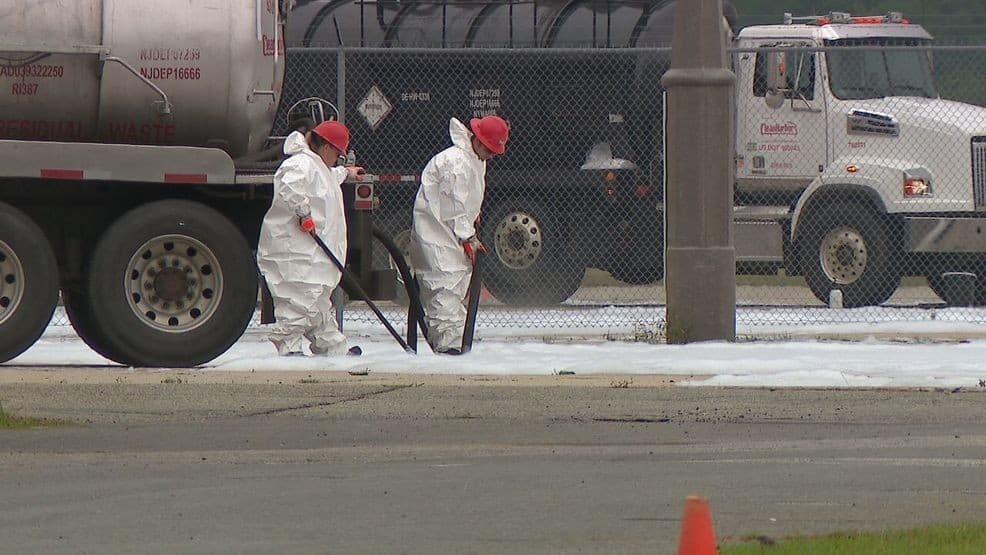
Steve Levesque, who formerly led the Midcoast Regional Redevelopment Authority, attributed the August 2024 release of PFAS containing aircraft firefighting foam at Brunswick Executive Airport to a malfunctioning electronic sensing unit identified in an independent root cause analysis. He framed the finding as central to understanding the incident, and he stressed the distinction between mechanical failure and intentional wrongdoing.
Levesque detailed MRRA engagement with town, state and federal partners on PFAS issues since the spill, describing removal efforts undertaken at the airport site and changes in operational policy. According to his account, MRRA removed remaining AFFF concentrate and began transitioning to alternate fire suppression technologies that are now permitted by code. He also called for correction of earlier public statements that criticized MRRA management of the incident and urged moving forward cooperatively now that the root cause has been identified.
The local implications are immediate. PFAS chemicals raise long term health and environmental concerns for communities that rely on regional water resources and shared infrastructure. The incident has placed MRRA, municipal officials and state regulators under renewed scrutiny over response timelines, monitoring protocols and preventive safeguards. Policy changes approving alternate suppression technologies may reduce future PFAS risk, but they also require budgeted training, procurement and oversight to ensure a full and safe transition.

Institutional accountability will be a focal point for Sagadahoc County residents as cleanup and monitoring continue. Levesque emphasized ongoing coordination with government partners, which underscores the need for transparent reporting of sampling results, timelines for removal, and independent verification of remediation work. Local elected officials and regulators remain responsible for ensuring that remediation protects public health and that redevelopment projects proceed with full environmental safeguards.
The episode also carries economic and civic consequences. MRRA’s role in regional redevelopment ties environmental outcomes to property values, commercial planning and long term investment in the region. Moving forward will require sustained community engagement, periodic public updates from authorities, clear lines of accountability and careful oversight of code changes and technology transitions to rebuild trust and safeguard both public health and economic development.
This article was produced by Prism’s automated news system from verified source data, official records, and press releases, then run through automated quality and moderation checks before publishing. The system is built and supervised by the people who set the standards it runs under. Read our full AI policy.
Did this article answer your question?