Fort Popham and Fort Baldwin preserve coastal defense history and access
Fort Popham and Fort Baldwin remain open seasonal state historic sites, offering residents and visitors dramatic views, walking trails, and a layered record of Maine coastal defense. Their role as cultural and recreational assets matters for local tourism, public safety, and equitable access for Sagadahoc County residents.
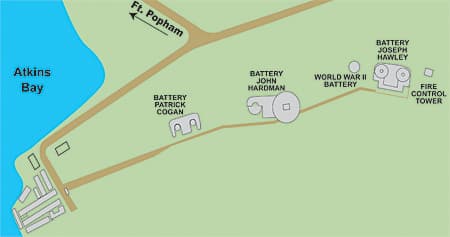
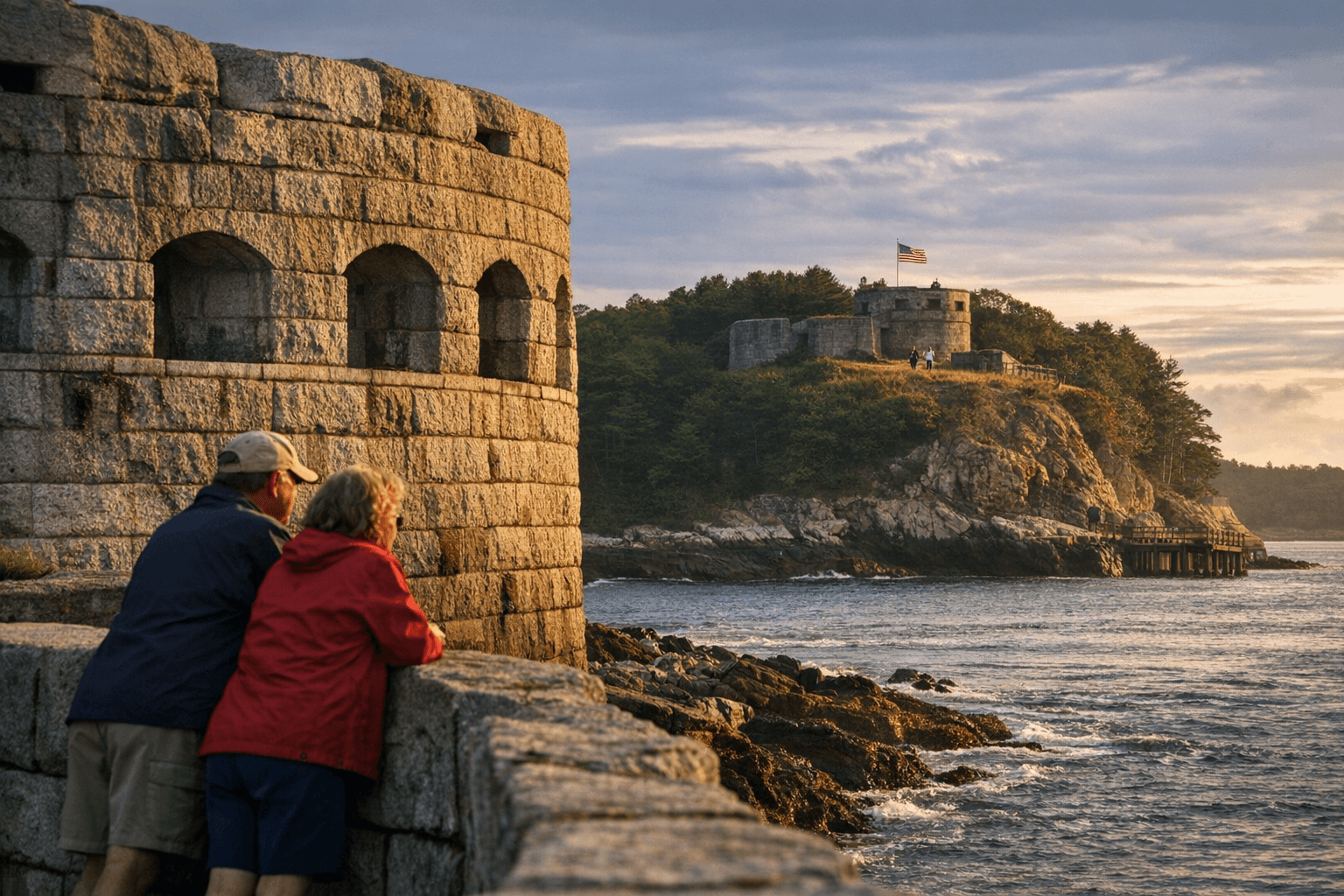
Fort Popham at Hunnewell Point in Phippsburg and Fort Baldwin on Sabino Hill together form a linked landscape of coastal defense that spans centuries. Fort Popham is a Civil War era granite crescent begun in 1861 that overlooks the mouth of the Kennebec River and the Atlantic. Fort Baldwin dates from the first decade of the twentieth century and preserves earth covered gun batteries and a concrete fire control tower with wide views toward Casco Bay. Both sites are managed by Maine Bureau of Parks and Lands and are popular short day trip destinations for people traveling from Bath, Topsham and Brunswick.
Visitors come for the history, the scenery and outdoor recreation. Fort Popham sits near Popham Beach and offers easy walking access and shoreline fishing at nearby points. Fort Baldwin adds context from later harbor defenses and provides trails and overlooks for photography and study. Practical considerations matter to residents planning visits. Parking can be limited during peak season, trails vary in condition, and both sites are staffed seasonally. Tide and shoreline safety are important for anyone accessing the rocks or fishing along the river mouth.
These sites contribute to local economic activity through tourism and complement Sagadahoc County cultural life, but they also raise public health and equity concerns. Outdoor access supports physical activity and mental wellbeing, yet uneven trail surfaces, limited parking and seasonal staffing can restrict access for older adults, families with young children and people who rely on public transportation. Safety risks on tidal shorelines create the need for clear signage and coordination with emergency services.
Policy choices can help preserve both the historic fabric and equitable community benefits. Investments in accessible paths, restroom facilities, improved parking management and permanent safety signage would reduce risks and broaden who can use the sites. Seasonal staffing should be paired with volunteer and community partnerships to extend interpretation and stewardship while ensuring that residents have reliable information about conditions.
For Sagadahoc County the forts are more than ruins. They are living public spaces where history, nature and community intersect, and careful stewardship can keep them safe and welcoming for all who come to learn, to fish and to walk along Maine shores.
This article was produced by Prism’s automated news system from verified source data, official records, and press releases, then run through automated quality and moderation checks before publishing. The system is built and supervised by the people who set the standards it runs under. Read our full AI policy.
Did this article answer your question?