Judge sanctions AI-aided filing in Hyde School abuse lawsuit
A judge sanctioned a lawyer in the Hyde School abuse case after an AI-aided filing included bad citations, but the broader lawsuit in U.S. District Court in Maine is still alive.
The sanction against attorney Kelly Guagenty does not end the Hyde School lawsuit, but it does change the fight now underway in federal court in Maine: every filing tied to Jessica Fuller’s abuse-and-neglect claims will face sharper scrutiny. The judge imposed non-monetary sanctions after finding erroneous legal citations, unsupported propositions, inaccurate pincites and quotations that could not be located in the sources cited in the brief and errata.
The case, Fuller v. Hyde School et al., was filed July 11, 2025 by former student Jessica Fuller. Her complaint alleges abuse, neglect, forced labor, trafficking and other misconduct at Hyde School in Bath, and her lawyers have sought class-action status on behalf of more than 100 former students. The court has not dismissed those claims, and the sanction order did not shut down the broader dispute.
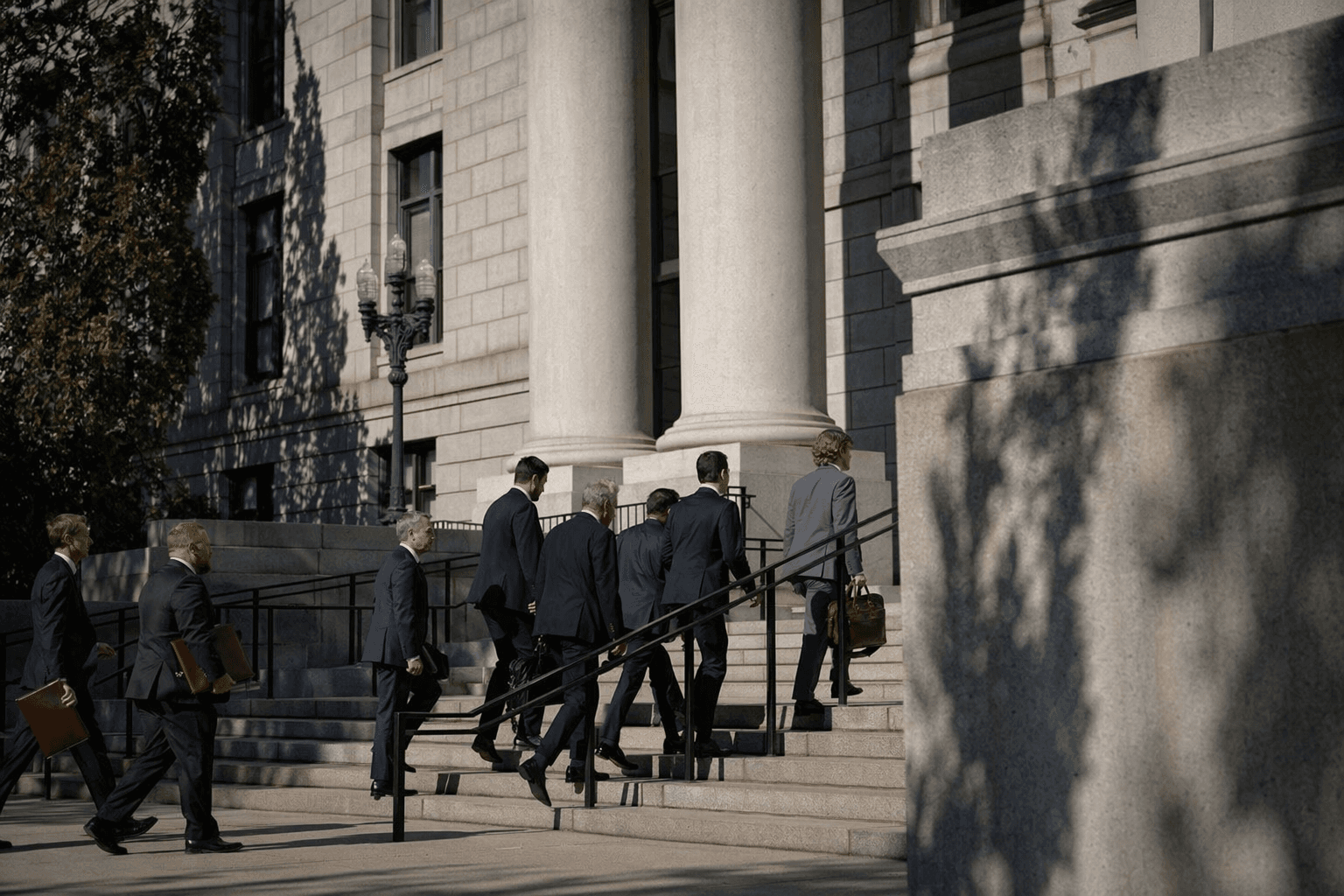
The filing problems came into focus after the court issued a show-cause order on April 14, 2026. Guagenty responded on April 28 and, for the first time, disclosed that she or someone on her team had used AI tools, including Claude or ChatGPT, in drafting the brief. The court’s sanctions now put a hard line around a point that is likely to matter for the rest of the case: lawyers cannot hand off legal research to software and expect the court to treat the result as reliable.
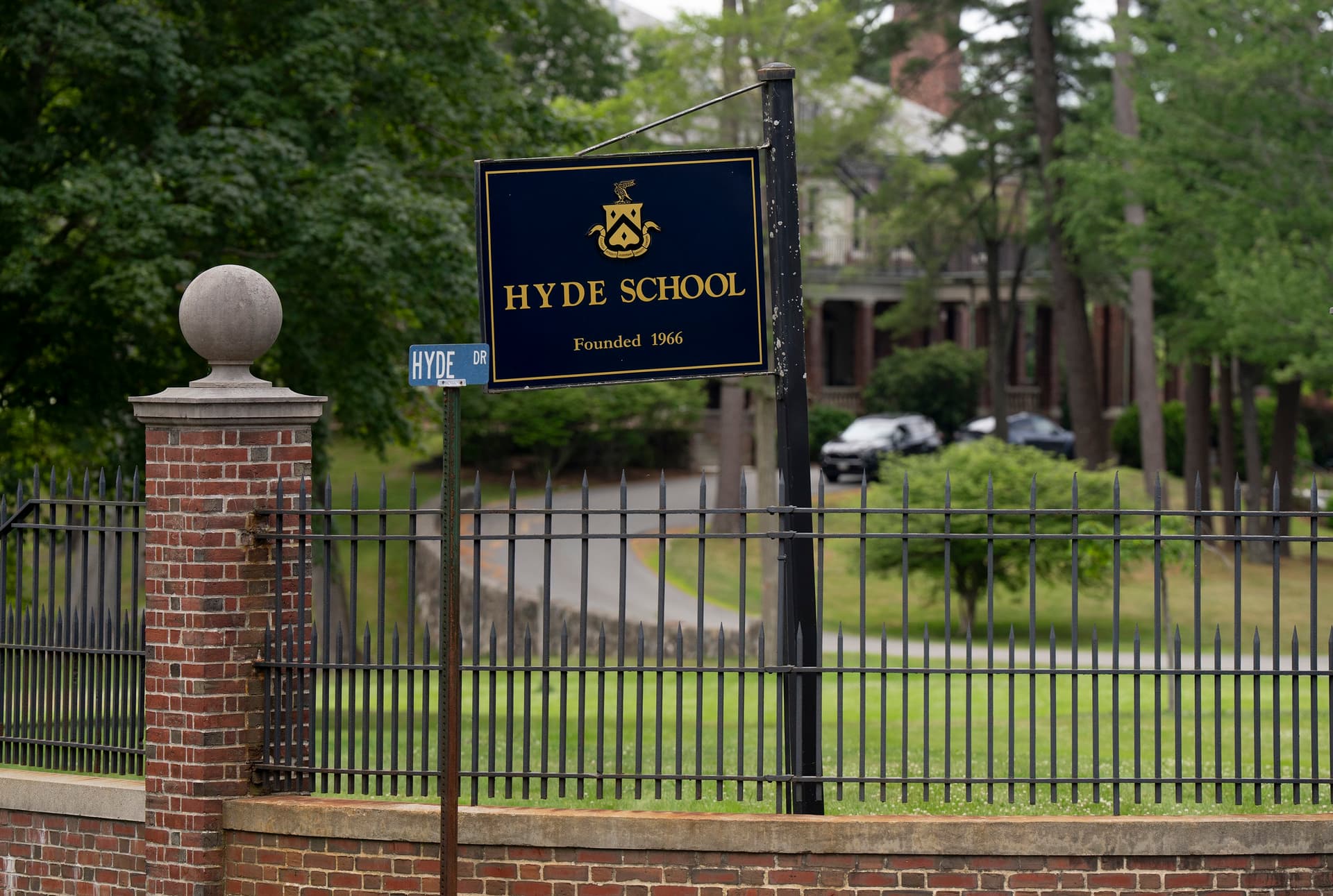
For Bath, the stakes go beyond one attorney’s mistake. Hyde School, founded in 1966, has long been a visible institution in Sagadahoc County and beyond, with later campuses added in Woodstock, Connecticut, in 1996 and Eustis, Maine, in 1998. Board chair Dana McAvity has denied the allegations, calling them gross mischaracterizations or patently false. The plaintiffs, meanwhile, have described the school as a coercive system of surveillance, punishment and forced labor.
The case remains active, and a judge has not yet ruled on the class-action request. John Steed, a local lawyer who had been sponsoring counsel, withdrew after the filing disputes surfaced. For families connected to Hyde, the immediate lesson is not that the lawsuit is over, but that the court is willing to punish misleading AI use while keeping the abuse claims, and the school’s exposure, squarely in play.
This article was produced by Prism’s automated news system from verified source data, official records, and press releases, then run through automated quality and moderation checks before publishing. The system is built and supervised by the people who set the standards it runs under. Read our full AI policy.
Did this article answer your question?