Lewiston Shooting Survivor Sues U.S. Army Over Sister's Death, Citing Ignored Warnings
Bobbi Nichols, who watched her sister Tricia Asselin die at Just-In-Time Recreation, filed a 90-page federal suit alleging the Army ignored clear warning signs before the Lewiston massacre.
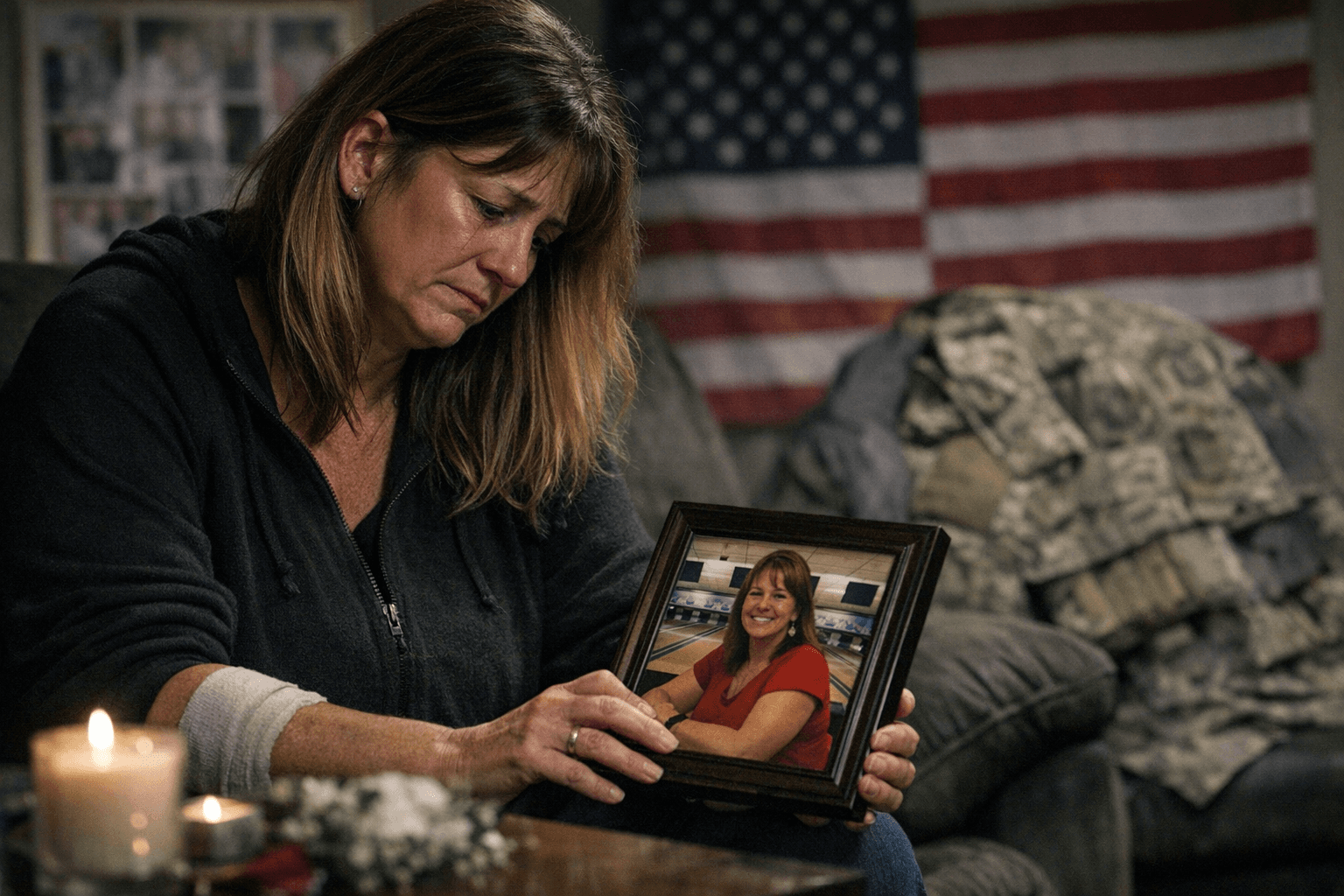
Bobbi Nichols watched her sister Tricia Asselin die inside Just-In-Time Recreation on October 25, 2023. She filed suit in federal court this week demanding the U.S. Army answer for it.
Nichols filed the lawsuit in U.S. District Court in Portland, naming the U.S. government and the U.S. Army as defendants and arguing that the Lewiston mass shooting was preventable. The complaint, spanning more than 90 pages, alleges that Army personnel recognized classic warning signs that the shooter, a reservist, posed a high risk to himself and the public, but failed to follow required procedures to address his deteriorating mental state.
The suit goes further than alleging inaction. It claims Army officials actively misled the reservist's family, at times making false assurances about his condition and what steps were being taken to address it.
Nichols did not only lose her sister that night. Her attorneys say she witnessed Asselin's death firsthand and sustained both physical injuries and lasting psychological trauma. The court filing describes emotional and psychological harm that has continued in the nearly three years since the attack.
The complaint seeks monetary damages and, for many survivors and advocates, something harder to quantify: systemic reforms to how federal and military institutions handle behavioral-health warnings before they become public tragedies.
Nichols' filing adds a new legal front to accountability efforts that have built since October 2023. Attorneys representing other survivors in broader related suits had previously argued that the Army and the Department of Defense missed multiple opportunities to intervene before the attack.
State and federal reviews reached similar conclusions. A state commission examining the Lewiston shootings faulted multiple agencies for failing to exhaust available preventive measures in the months prior, and documented failures that ran across local, state, and federal chains of communication.
That scrutiny resonates in Sagadahoc County, where the question of how behavioral-health warnings move across jurisdictional lines, from federal military installations to county sheriff's offices and local law enforcement partners, remains unresolved. The commission's findings made clear that overlapping and poorly coordinated responsibilities among agencies contributed to the failure to stop the attack.
If the case advances through federal court, it could compel new disclosures about precisely what Army officials knew about the reservist's mental state, and when they chose not to act on it.
This article was produced by Prism’s automated news system from verified source data, official records, and press releases, then run through automated quality and moderation checks before publishing. The system is built and supervised by the people who set the standards it runs under. Read our full AI policy.
Did this article answer your question?