Maine Library Commission Withdraws Staffing Rule Proposal After Backlash
The Maine Library Commission on Jan. 5 backed away from a draft policy that would have required public libraries to employ paid directors and remain open at least 12 hours per week to retain access to state services. The reversal preserves access for many small and volunteer-run libraries in Sagadahoc County and across the state while the commission seeks legal review and additional public input.
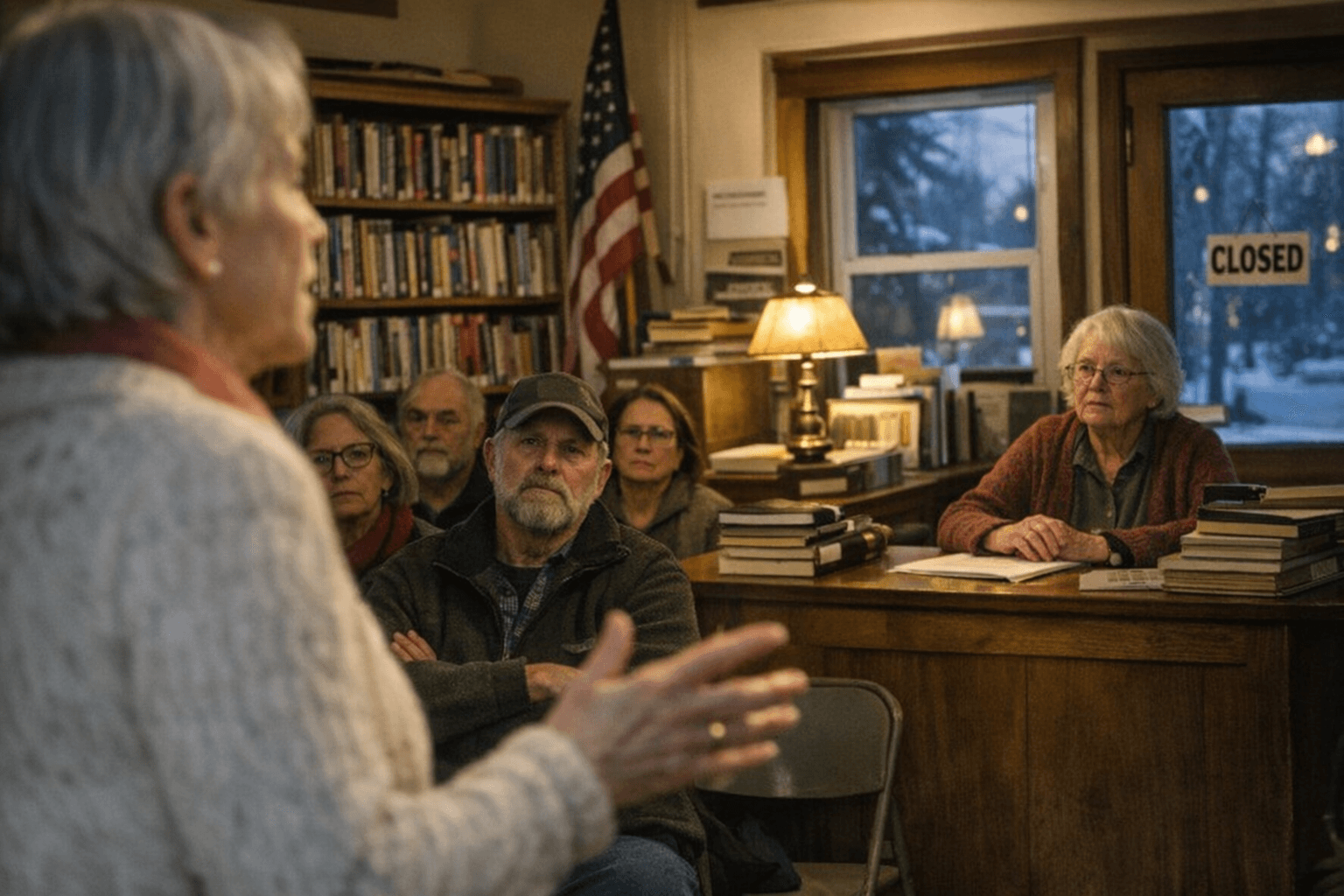
The Maine Library Commission abandoned a proposed definition change for "public library" after widespread opposition from smaller, volunteer-run institutions and a wave of public comment. The requirement, contained in a draft titled the Maine Regional Library System Public Library Agreement to Participate, would have made paid directors and a minimum 12-hour weekly open schedule conditions for access to state library services. The policy had been expected to take effect Jan. 1.
Commission leaders announced on Jan. 5 that they would drop the specific staffing and hours language, postpone further action, seek legal counsel and reopen discussion at the commission's Jan. 12 meeting. The move came after library boards, volunteers and town officials argued the draft would force reclassification of many community-run libraries as "limited-service libraries" and threaten their ability to operate.
For Sagadahoc County, where several towns rely on small municipal and volunteer-run libraries to deliver basic information services, the commission's retreat averts an immediate disruption. Access to state services supports interlibrary loan, delivery, professional development and other programs that extend limited local budgets. Had the proposal been adopted without change, some local libraries faced the prospect of hiring paid directors or reducing their classification and associated services, costs and administrative burdens that local governments and volunteer boards are often not equipped to absorb quickly.
Beyond municipal budgets, the debate raises broader policy and equity questions about how Maine defines a public library and the role of state support in sustaining rural and small-town access to information. Minimum staffing and hours requirements can create standards for consistent service, but critics said the draft policy did not adequately account for volunteer models, seasonal operations or the uneven fiscal capacity of small towns.
The commission's decision to seek legal advice and additional comment signals a more deliberative approach ahead of the Jan. 12 meeting. Library trustees, municipal officials and residents in Sagadahoc County who rely on volunteer-run libraries will be watching that meeting for clarity on whether the commission will craft alternative standards, create exemptions for limited-service models, or propose phased timelines to comply with any new requirements.
The immediate effect is administrative pause rather than final resolution. The commission must now balance institutional standards with the practical realities of volunteer-driven libraries to ensure state policy preserves access to services without imposing unsustainable mandates on small communities.
Know something we missed? Have a correction or additional information?
Submit a Tip