Midcoast Humane warns rising vet costs are straining pet owners
A sick puppy and a shock emergency-vet bill show how rising animal-care costs are pushing more Midcoast families toward surrender, and where help still exists.
A bill that families cannot cover is becoming a pet crisis
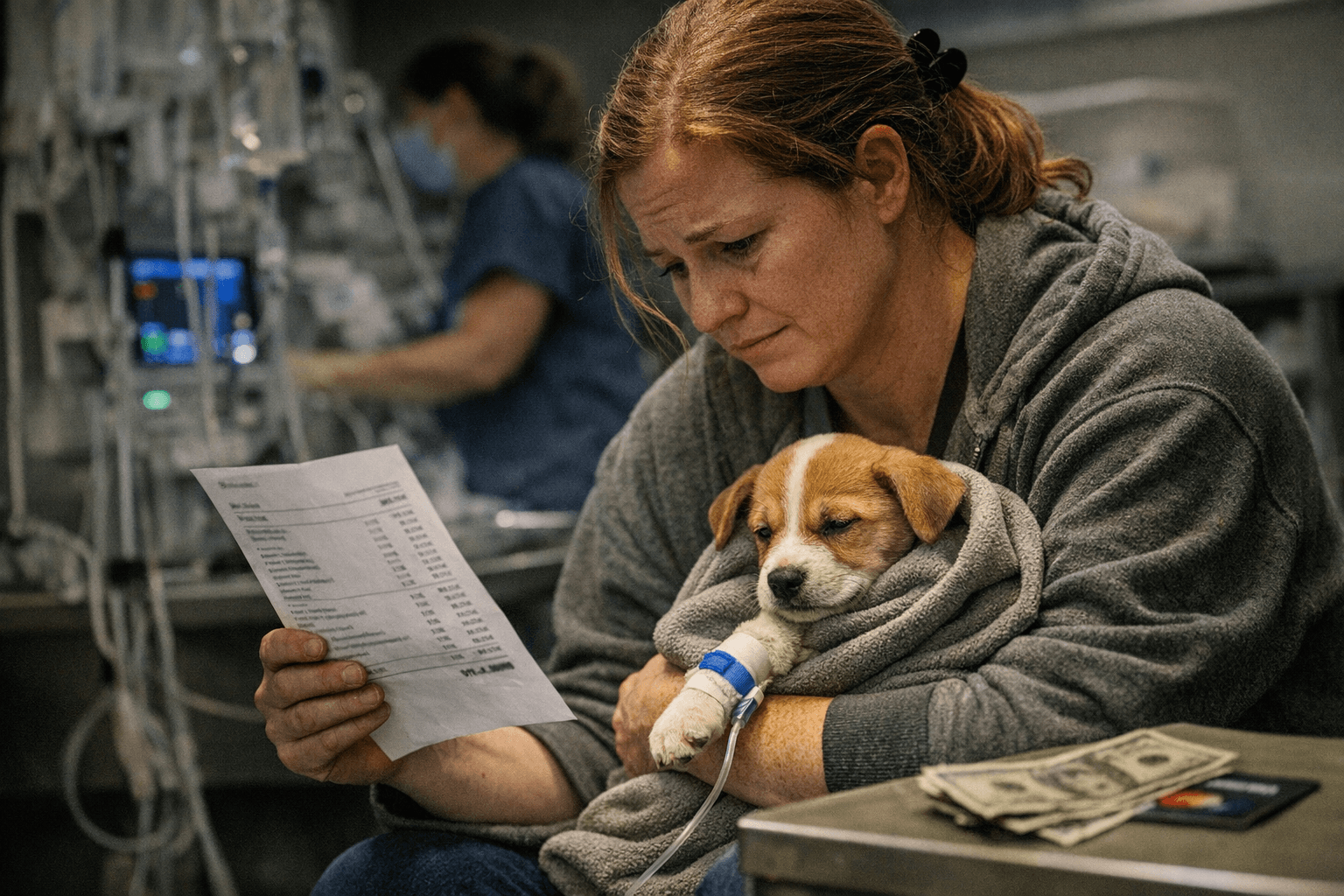
A sick puppy and an emergency-clinic price far beyond what its owner could pay are now part of the same story across Midcoast Maine: when care gets unaffordable, surrender starts to look like the only option. Midcoast Humane says that is exactly why its work matters in 39 towns, including the homes and shelters it serves from Brunswick and Edgecomb.
The organization says it cares for more than 4,000 animals each year, but the column’s message is not about shelter capacity alone. It is about what happens in kitchens, apartments, and driveways when a family is forced to decide whether it can pay for treatment, keep the animal, or say goodbye.
Why the pressure is hitting so hard now
The financial squeeze is not hypothetical. A U.S. News & World Report survey of 1,216 adults conducted Jan. 16-20, 2026 found that 43% of Americans could not pay a $1,000 emergency expense from savings. For pet owners, that gap is enough to turn a sudden veterinary visit into a crisis that can ripple through rent, groceries, utilities, and car repairs.
Veterinary costs are also climbing faster than many households can absorb. Industry sources say veterinary service inflation has outpaced general inflation over the long term, and vet costs have risen more than 40% over the last decade. The column points to another strain as well: in Maine, reporting from 2025 found that housing insecurity and landlord restrictions were among the most common reasons people surrendered dogs to the Animal Refuge League of Greater Portland. In other words, the pressure is coming from both the clinic and the lease.
That is why the problem reaches far beyond one owner with one sick puppy. The pattern is becoming visible in shelters, in surrender conversations, and in the quiet calculations families make before they ever call for help.
What Midcoast Humane is trying to do
Midcoast Humane’s answer is its Pawsitive Support Program, a set of services aimed at keeping pets with the people who already love them. The program includes public spay/neuter, low-cost wellness clinics, a pet food pantry, last-litter and community-cat programs, and the Pet Buddy Public Assistance Program for emergency veterinary help.
The organization says its public assistance is designed to keep pets where they belong, with their families. But it also says the funding is very limited for animals outside its care, which means the safety net is real but not unlimited. Even after a generous donation doubled the assistance pool over the following year, demand still outstripped the resources available across the 39 towns the group serves.
That imbalance matters in a place like Sagadahoc County, where a family in Brunswick or Bath can be one diagnosis away from a choice it never wanted to make. The more expensive the bill, the more likely a pet owner is to delay care, seek help only when the animal is already in distress, or consider surrender as a form of last-resort relief.
Warning signs that a family is getting close to the edge
There are a few moments when the problem stops being theoretical and becomes urgent. Families should take the warning seriously if:
- An emergency vet estimate would force a choice between treatment and rent, groceries, or fuel.
- A pet needs care now, but there is no savings cushion for a same-day visit.
- Housing instability or a landlord rule is making pet care feel impossible on top of everything else.
- A dog or cat needs help more than once, and each visit is becoming harder to absorb.
- The family is already stretching for food, meaning a pet food pantry or wellness clinic could make the difference between keeping the animal at home and surrendering it.
These are not signs of failure. They are signs that the cost of keeping a pet has risen faster than many households were prepared for, and that the decision-making window can close quickly once an animal is sick or a lease changes.
Where help exists before surrender becomes the only option
Midcoast Humane’s public assistance programs are the first place many owners should look, especially if the goal is to keep a pet in the home. The low-cost wellness clinics can help with routine care before problems become emergencies, while the pet food pantry can relieve one of the most basic monthly costs of ownership. Spay/neuter help and the last-litter and community-cat programs also reduce the downstream strain that comes from unplanned litters and growing numbers of animals in need.
The broader funding picture is also important. The Maine Community Foundation’s Belvedere Animal Welfare Fund supports population control, surrender prevention, humane education, spay/neuter, veterinary care services, and pet transportation services. The Elmina B. Sewall Foundation says its 2026 animal-welfare funding is limited and by invitation only, which underscores how competitive and constrained the grant landscape has become.
That wider squeeze helps explain why Midcoast Humane has leaned into outreach. The group has expanded low-cost wellness clinics, and in September 2024 it appeared on Maine Public’s Maine Calling with Jess Townsend, Jennifer Rooks, Matt Blanchard, and Theresa Silsby to discuss the state of animal welfare in Maine. The message then is the same one the organization is sounding now: animal care has become a household-budget issue, not just a shelter issue.
The bigger warning for Brunswick, Bath, and the rest of the Midcoast
The federal government has also acknowledged that veterinary access is strained, with the United States Department of Agriculture’s National Institute of Food and Agriculture maintaining a veterinarian-shortage map. That shortage helps explain why emergency care can be both hard to get and painfully expensive, especially outside larger metro areas.
For Midcoast families, the practical takeaway is clear. The gap between affection and affordability is growing, and that gap is what turns a beloved pet into a surrender risk. Midcoast Humane is trying to bridge it, but the organization’s own materials make plain that public assistance funding is limited. In a region where one bill can change a family’s future with an animal, the safety net is already under pressure.
This article was produced by Prism’s automated news system from verified source data, official records, and press releases, then run through automated quality and moderation checks before publishing. The system is built and supervised by the people who set the standards it runs under. Read our full AI policy.
Did this article answer your question?