Reid State Park, Georgetown's Coastal Gem, Offers Beaches, Trails, and Tidal Walks
Maine's first state-owned saltwater beach sits on Georgetown Island, where rare sand dunes, Atlantic surf, and a warm tidal inlet make Reid State Park a Midcoast standout.
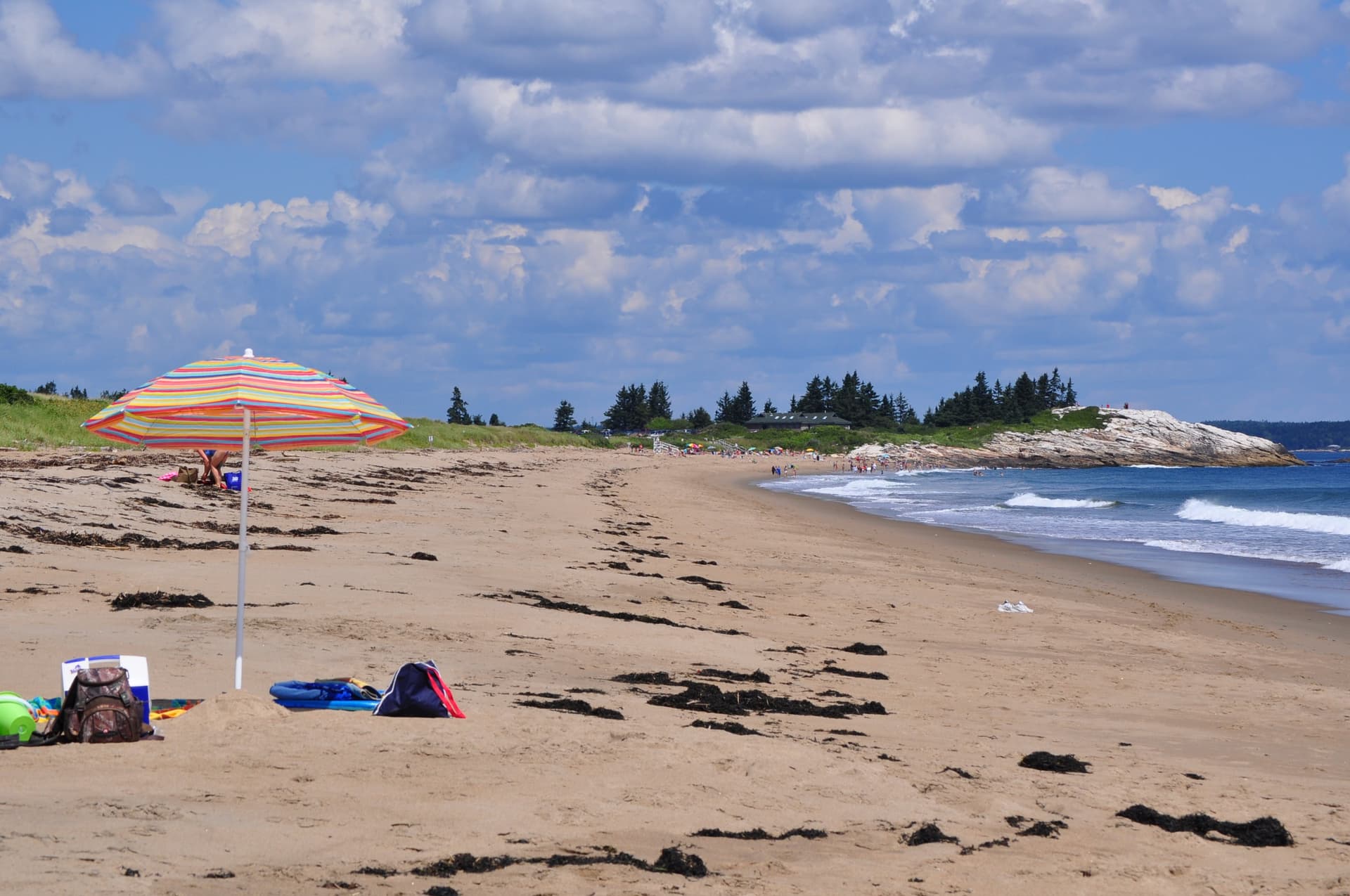
Reid State Park holds the distinct honor of being Maine's first state-owned saltwater beach, a fact that alone sets this 770-acre preserve on Georgetown Island apart from every other coastal destination in the state. Tucked at the end of Seguinland Road in Sagadahoc County, the park combines long stretches of fine-grained sand, rocky headlands, a warm tidal inlet, and woodland trails that convert to groomed cross-country ski loops in winter. It is, in short, one of the most versatile public lands on the Maine coast.
A Philanthropist's Gift to Georgetown
The park owes its existence to Walter E. Reid, a businessman and philanthropist born in 1869 in nearby Harmon's Harbor. Reid grew up in a family of modest means on Georgetown Island, built an oceanside estate near the grounds of the present-day park, and ultimately gave approximately 766 acres of his land to the State of Maine in the late 1940s, dedicating the gift in honor of his parents, Lydia and John Reid. According to Wikipedia, "The park lands were donated to the state in 1946 by businessman and philanthropist Walter E. Reid, a native of Georgetown who grew up in a family of modest means and who built an oceanside estate near the grounds of the present-day park." The park has been expanded over time and today encompasses approximately 770 acres managed by the Maine Department of Agriculture, Conservation and Forestry. That original gift, and subsequent conservation work by neighbors and land trusts, now anchors a block of nearly 1,800 acres of permanently conserved natural lands on Georgetown Island, including an adjacent 280-acre preserve that protects significant wetland habitats and maintains traditional hunting opportunities.
Two Beaches, One Tidal Inlet
The park's centerpiece is its pair of ocean beaches. Mile Beach lives up to its name, stretching for roughly a mile of open Atlantic shoreline before ending at Todd's Point, a rocky promontory at its southern end that provides sweeping ocean views. Just south lies Half Mile Beach, slightly shorter and more secluded, nestled between the dunes and the Little River. As noted by one local guide, both beaches "offer fine-grained sand, ample space, and significant surf coming straight from the Atlantic," making them well suited for surfing, boogie boarding, and body boarding. The surf can run oversized, which is worth keeping in mind for families visiting with younger children.
For those who prefer calmer water, The Lagoon offers a compelling alternative. This tidal inlet within the park features quieter waters that tend to run 10 to 15 degrees warmer than the adjacent ocean beaches, making it a far gentler option for swimming on cooler days or for visitors who want to wade without battling Atlantic swells.
The park's sand dunes deserve special mention: they are explicitly noted as rare features in Maine, and park management actively promotes dune grass growth to protect them. Beyond the dunes, the landscape opens into rocky tidepools, salt marshes, and the larger estuary that gives the park its varied coastal character. Griffith Head, the park's prominent rocky headland, delivers what one local source describes as "quintessential Maine coastline views of islands and craggy rock."
Wildlife and Conservation
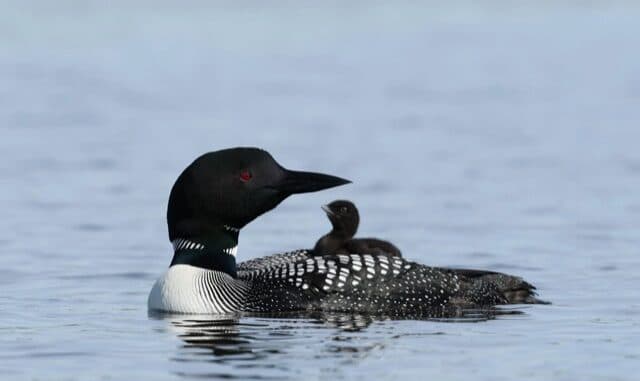
The beaches at Reid support nesting habitat for two endangered species: least terns and piping plovers. Both depend on the open sandy beaches for nesting, and their presence reflects the ecological importance of the park's relatively undeveloped shoreline. Along the water's edge, visitors regularly encounter various shorebirds and eider ducks, while clams and mussels are found along the beach. Visitors should check with the Maine Department of Agriculture, Conservation and Forestry or the official park website for any seasonal nesting restrictions before planning a visit, as protective measures for these birds may affect access to certain beach areas at certain times of year.
Trails: Coastal Walks to Woodland Loops
The trail network at Reid suits most fitness levels, with the terrain staying generally flat throughout. Maine Trail Finder describes the Ski Loop Trail as the park's primary hiking route, measuring 2.14 miles (other sources cite approximately 2.2 miles) and best accessed from Todd's Point Road. The loop passes through the northern section of the park, primarily mixed-growth forest, with one stretch running alongside a sizeable pond and bog. Across the road from that pond stands a historic one-room schoolhouse, a quiet piece of Georgetown's past that most visitors pass without realizing its age. When conditions allow, the Ski Loop is groomed for cross-country skiing, extending the park's appeal well into winter.
The Little River Trail offers a second named route, following the waterway that separates Half Mile Beach from the dunes. Route data compiled by Komoot shows a Mile Beach and Little River Trail Loop covering approximately 2.82 kilometers with 20 meters of ascent and descent, while a straightforward Mile Beach and Half Mile Beach walk clocks in at 2.83 kilometers with minimal elevation change. For those wanting a more substantial outing, a 4.8-mile loop circles the full perimeter of Reid State Park, delivering the woodland scenery, coastal views, and tidal frontage in a single connected route.
From the wooded trail sections, the vistas extend outward to the southern approach to Five Islands, the back side of Mink Island, the southern tip of Southport Island, and the entrance to the Sheepscot River. These are views that anchor the park squarely in the geography of Sagadahoc and Lincoln counties, with the working waterways of Midcoast Maine visible from what is otherwise a quiet forest path.
Getting There
The park sits at the end of Seguinland Road in Georgetown, with a mailing address of 375 Seguinland Rd, Georgetown, ME 04548. From US-1 in Woolwich, just north of the bridge between Bath and Woolwich, take ME-127 south for 12 miles. Turn right onto Seguinland Road in Georgetown and follow it 1.5 miles to the park entrance. The trailhead for the Ski Loop and connecting routes is located off Todd's Point Road inside the park. Drivers heading to the trail system should proceed toward Griffith's Head and park in the lot on the left, then walk back a short distance to the trailhead at the access road to Todd's Point. Day-trippers from Portland should plan for roughly an hour of driving north through Bath and across the New Meadows River before turning off Route 1 for the country drive out to Georgetown Island.
Visitor Essentials
A few practical notes before you go:
- Verify current parking fees, open hours, and any seasonal restrictions at the official Maine state park website before visiting, as rules and rates are subject to change.
- The "No dogs allowed" notice appears in Georgetown Conservation Commission trail materials, though the precise scope of that restriction warrants confirmation with park staff before arriving with pets.
- Check for any temporary beach closures related to least tern and piping plover nesting season, which can affect access to portions of the beach during warmer months.
- The Ski Loop is groomed for cross-country skiing as conditions allow each winter; contact the park or check Maine Bureau of Parks and Lands updates for current grooming status.
- Pack a cooler if making a full day of it. The park rewards those who arrive early and stay through the afternoon tides.
What Walter Reid preserved in the late 1940s has only grown in significance. Surrounded now by nearly 1,800 acres of connected conserved land, and holding the distinction of being the state's first public saltwater beach, Reid State Park remains one of the most genuinely complete coastal parks in all of Maine.
This article was produced by Prism’s automated news system from verified source data, official records, and press releases, then run through automated quality and moderation checks before publishing. The system is built and supervised by the people who set the standards it runs under. Read our full AI policy.
Did this article answer your question?