Senate bill blocks offshore warship production, adds destroyer for Bath Iron Works
A Senate bill would block offshore warship work and add a second destroyer, a move that could steer more Navy work to Bath Iron Works and steady local jobs.
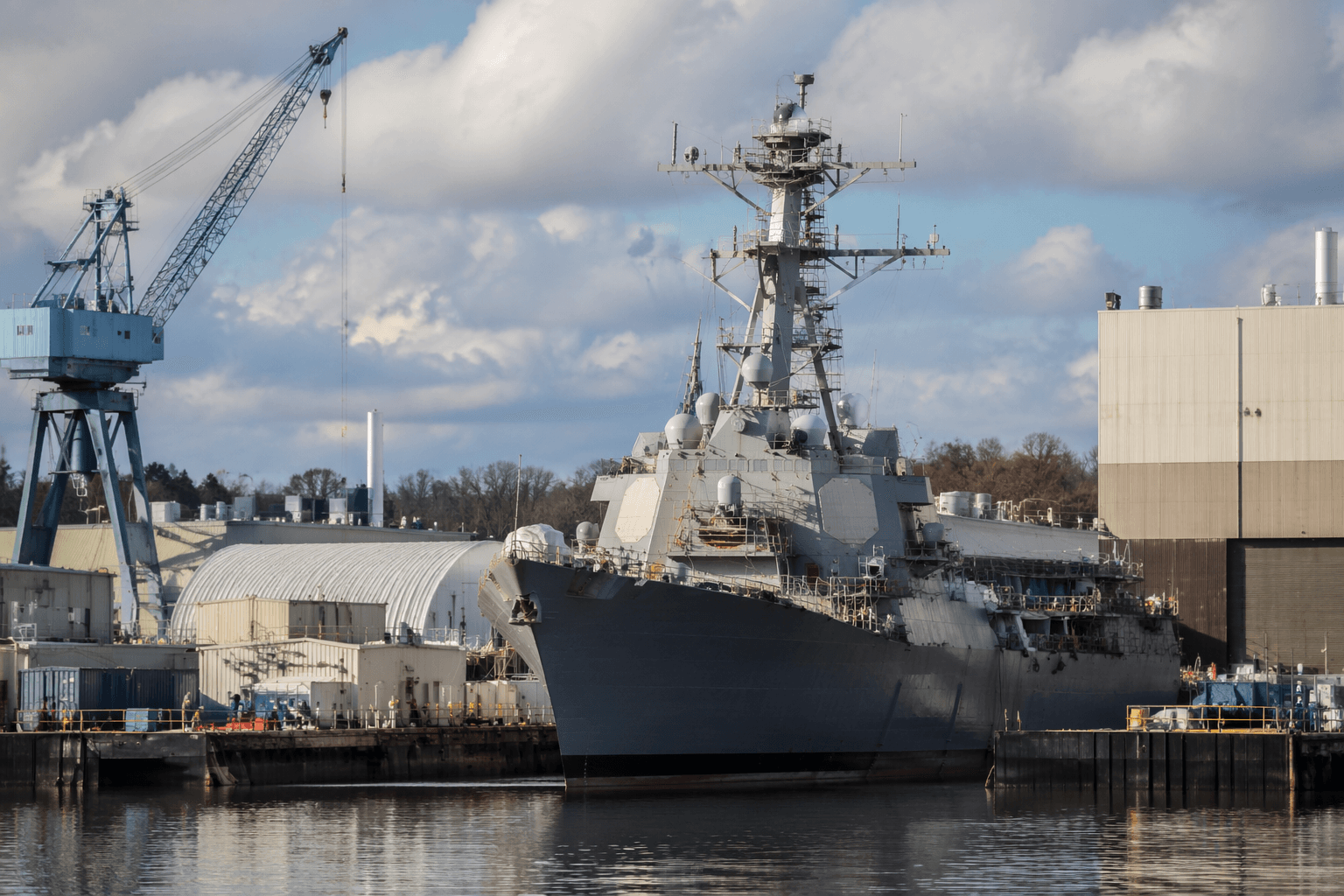
Defense spending bills moving through Senate and House subcommittees would bar offshore production of warships and add another DDG-51 destroyer.
The Senate Armed Services Committee version left out the Pentagon’s offshore-production proposal and added the extra destroyer, a ship that would be built at BIW. The Defense Department, under Pete Hegseth, had floated moving some production overseas on the argument that U.S. shipyards lacked capacity. Angus King pushed back on that rationale, saying the backlog picture at Korean and Japanese yards did not support the claim that overseas builders were better positioned than American ones.
The DDG-51 is BIW’s signature product. The shipyard won the competition for the detail design and construction of USS Arleigh Burke, DDG 51, in 1985, and the program has become one of the longest-running shipbuilding programs for surface combatants in U.S. Navy history. BIW has won more than 430 shipbuilding contracts since 1884, including more than 260 military ships.
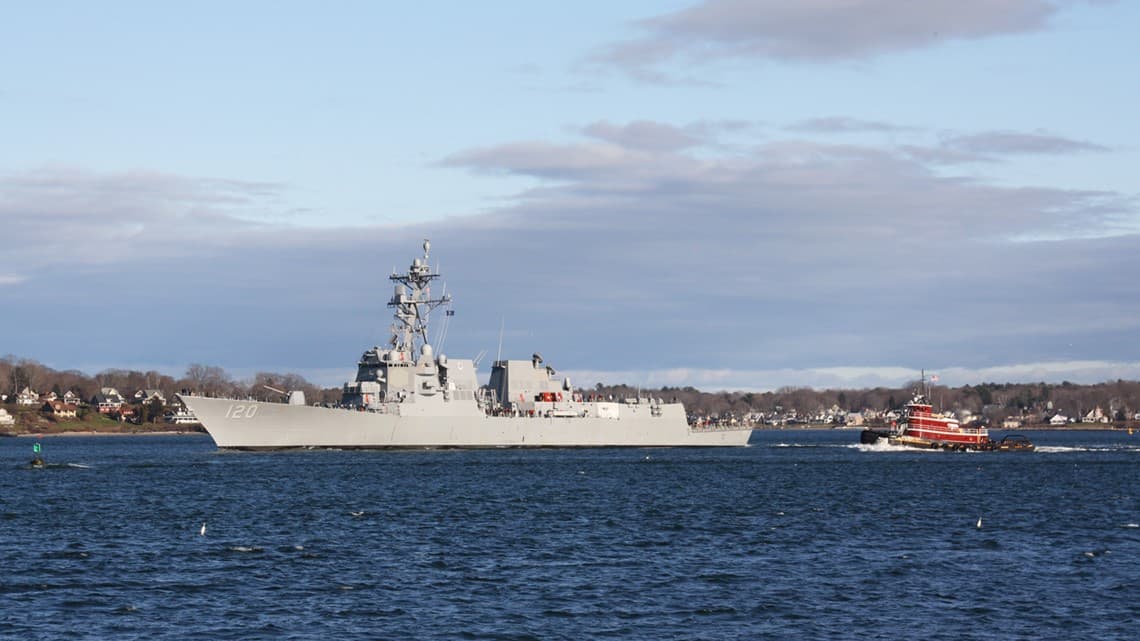
Maine’s congressional delegation has pressed to keep that work at home. Jared Golden announced NDAA amendments on June 3 that would add $500 million to fund a second DDG-51 at BIW, bringing total funding for that ship to $1 billion, and would bar Navy funds from being used to contract for a battle force ship built in a foreign yard. In April, Golden said the Pentagon budget proposal cut DDG-51 procurement to a single ship, while the House Armed Services Committee was considering a proposal that would reduce destroyer orders at Bath.
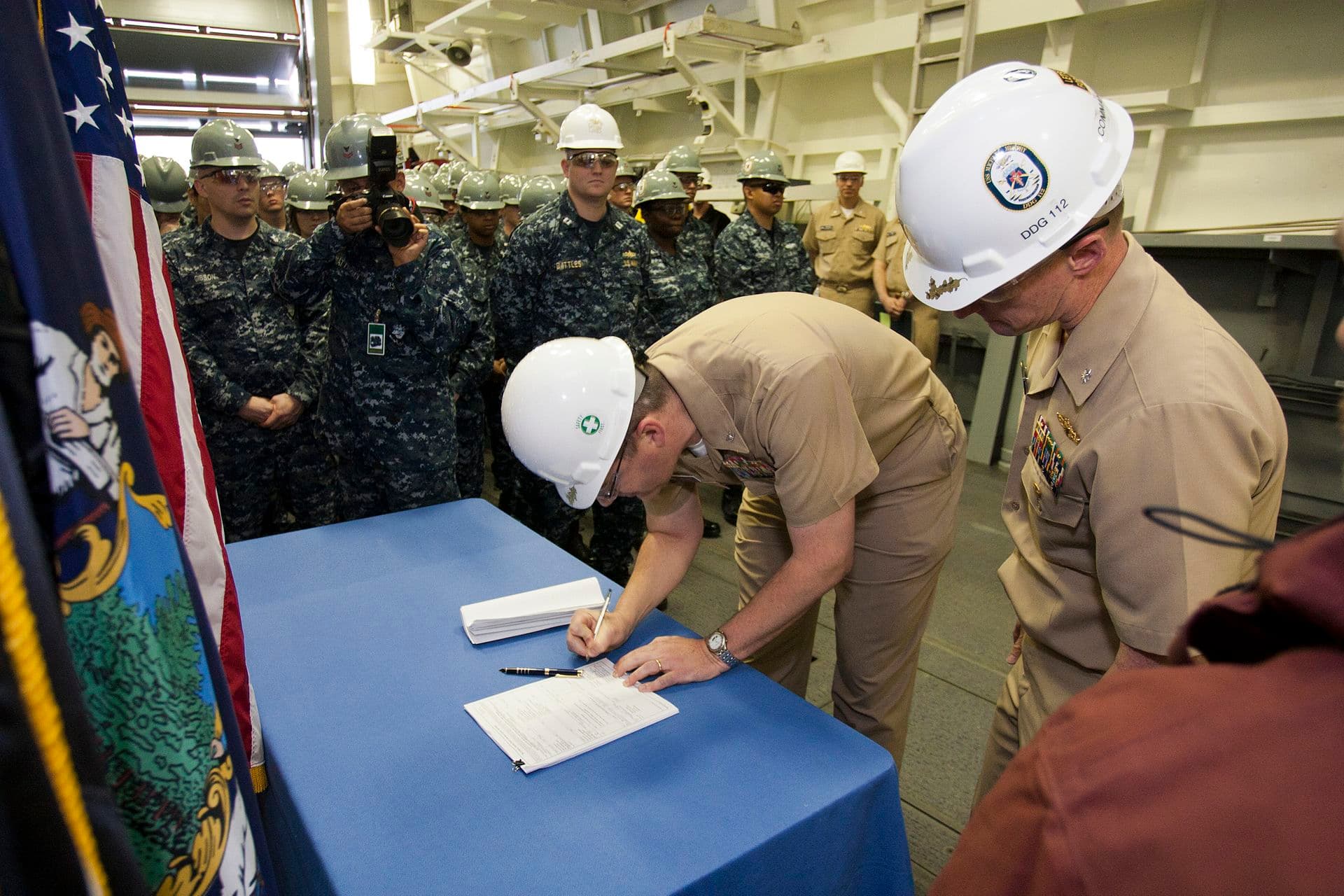
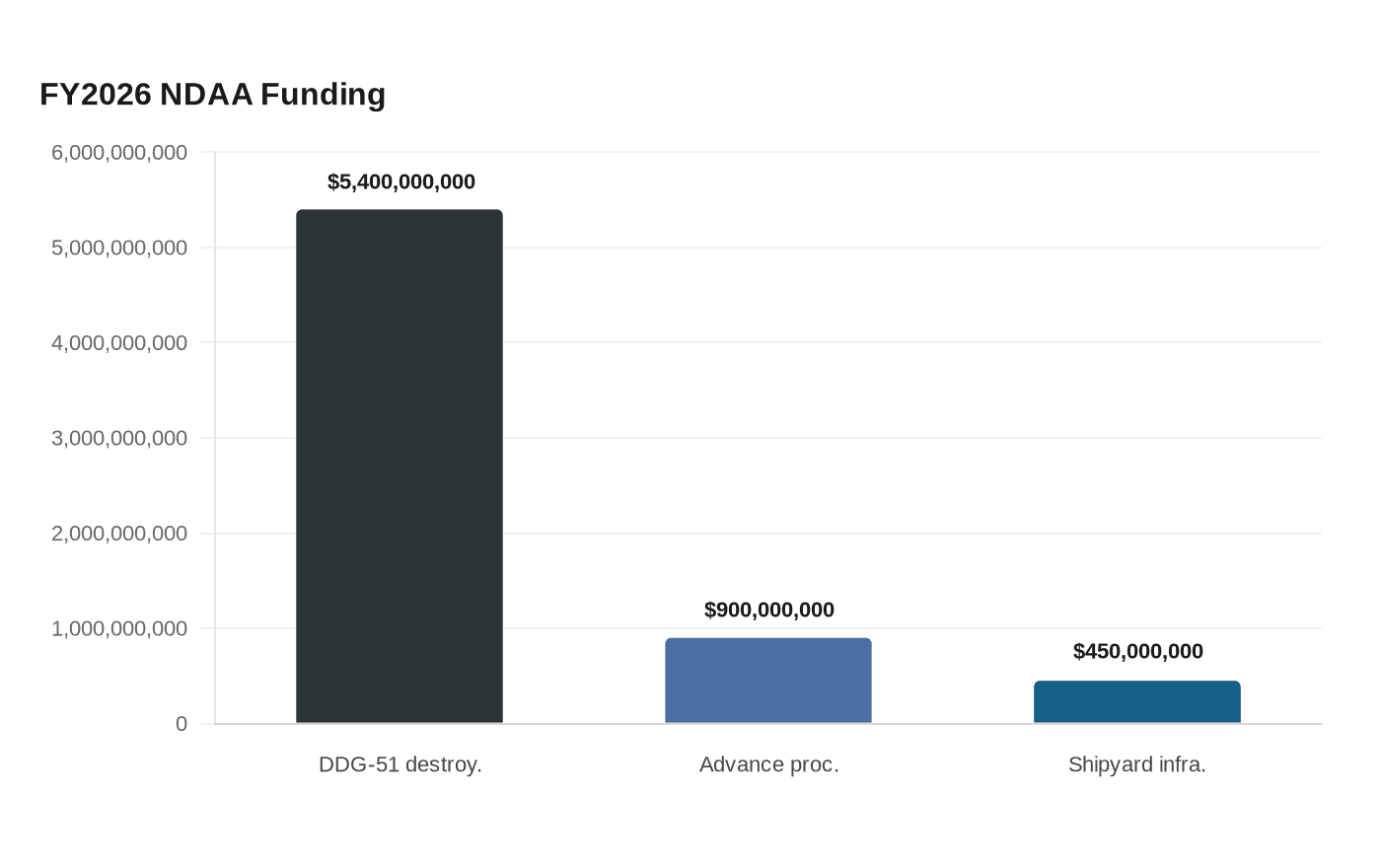
Susan Collins has also challenged the administration’s plan, warning in an appropriations hearing that it would create uncertainty at BIW. The FY2026 NDAA authorizes $5.4 billion for DDG-51 destroyers, $900 million in advance procurement for future ships and $450 million for large surface combatant shipyard infrastructure, with roughly one-third of that infrastructure money benefiting Bath Iron Works.
BIW’s 2024 economic-impact analysis estimated $2.5 billion in economic activity, 6,700 employees at the start of 2023 and a $447 million payroll.
This article was produced by Prism’s automated news system from verified source data, official records, and press releases, then run through automated quality and moderation checks before publishing. The system is built and supervised by the people who set the standards it runs under. Read our full AI policy.
Know something we missed? Have a correction or additional information?
Submit a Tip