Shorter Asylum Seeker Work Permits Threaten Local Seasonal Labor Supply
Federal officials finalized a policy on December 18, 2025 that shortens automatic work authorization and renewal periods for asylum seekers, prompting statewide business leaders to warn of deeper staffing shortfalls. The change matters for Sagadahoc County because the coastal tourism sector, food production and agriculture rely heavily on immigrant and asylum seeker labor for seasonal peaks and year round operations.
On December 18, 2025 federal authorities put into effect a policy that reduces the length of automatic work authorization and the period between renewals for asylum seekers. Business groups across Maine immediately raised alarms, saying more frequent renewal cycles will disrupt hiring and scheduling at a time when employers already face tight labor markets.
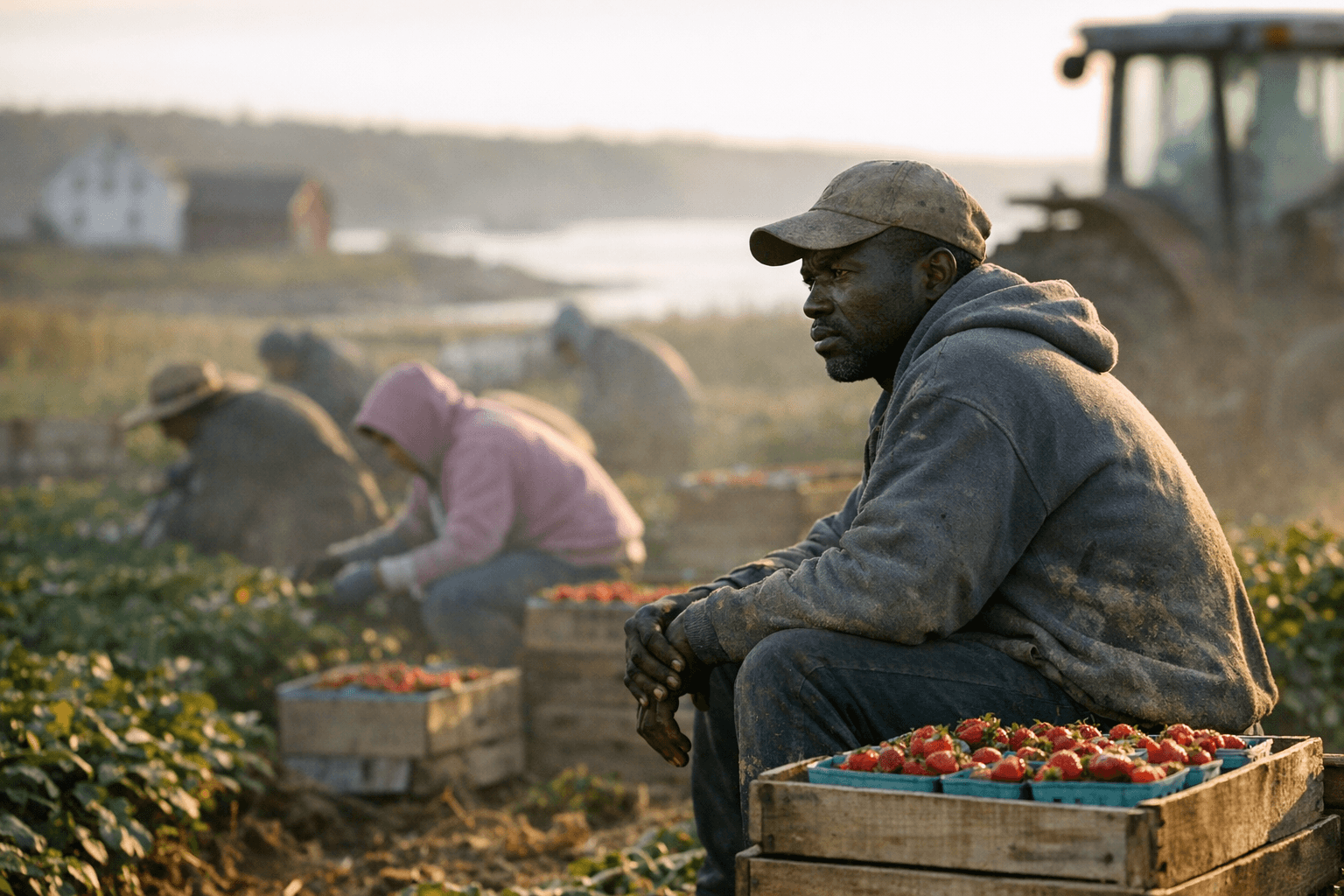
The policy will add administrative churn for both workers and employers, forcing more frequent interactions with a system that is already constrained. Employers in seasonal industries, food production and agriculture said shorter authorization windows will complicate staffing for the busy spring and summer months, and could create larger backlogs as more renewal applications hit federal processing centers. That backlog risk increases uncertainty for workers who depend on steady authorization and for businesses that depend on reliable labor supplies.
In Sagadahoc County the sectors most likely to feel the impact include coastal tourism, seafood related processing, small farms and hospitality services that staff up each season. Local employers say workforce planning depends on predictable authorization periods that align with the seasonal rhythm of the local economy. When authorization windows shrink, human resources teams face higher turnover risk and increased recruiting costs, and smaller firms may lack the legal and administrative capacity to manage more frequent renewals.
Economic implications extend beyond individual businesses. Reduced labor availability can push wages higher for in person roles, raise operating costs for small processors and farms, and ultimately translate into higher prices for local consumers. Supply chain resilience in food production and hospitality may weaken if firms cannot staff peak periods, affecting hours and services in towns across the county.
Long term trends amplify the concern. Maine has an older population and limited workforce growth, making immigrant labor an important source of flexibility for seasonal and year round employers. Policymakers and local economic development officials will face pressure to respond by streamlining support for employers, coordinating with state agencies and advocating for adjustments to federal practice. For now, businesses in Sagadahoc County are preparing for a winter of tighter labor planning and greater uncertainty heading into the 2026 season.
Know something we missed? Have a correction or additional information?
Submit a Tip