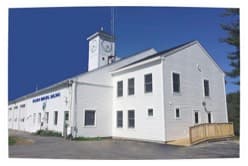
Topsham historic district guides renovations, preserves town character
Topsham’s historic district is a renovation rulebook, not a museum piece, shaping what changes need review while leaving room for tax credits and practical reuse.
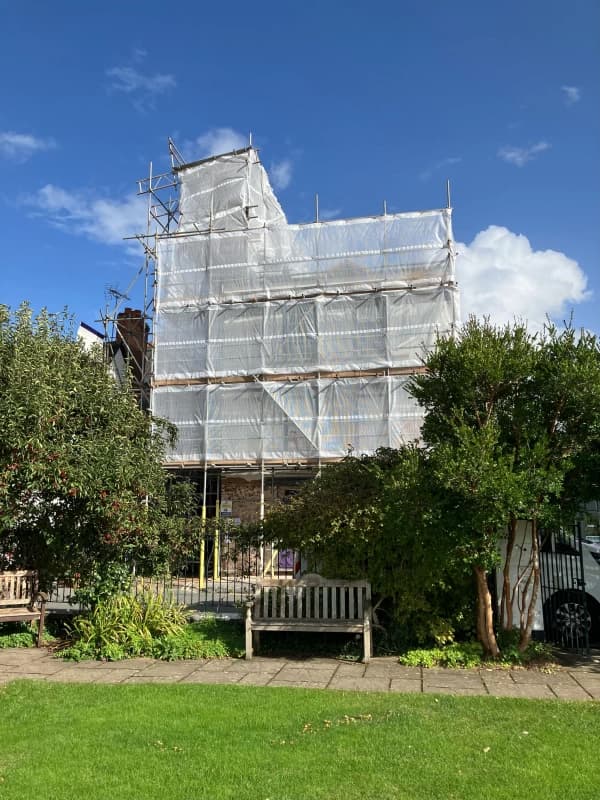
The old houses and village buildings in Topsham are still governed by a living local process. If you want to replace windows, enlarge a storefront, or adjust a downtown property visible from the street, the historic district can determine whether the work moves ahead as planned, gets reviewed, or qualifies for preservation incentives.
What the district actually controls
Topsham created its Historic District in 1988, with residents aiming to preserve the town’s sense of place. The Historic District Commission exists to protect historic resources that reflect the community’s cultural, social, economic, industrial, political, archaeological and architectural history, and its job includes reviewing Certificates of Appropriateness for exterior changes visible from the street.
That review matters most when the work changes what people can see from public ways. Window replacement, new siding, additions, porches, doors, or other exterior alterations can all fall into that category if they affect the street-facing appearance of a property in the district. The town’s FAQ draws a clear line, though: painting and interior renovations are not regulated by the historic district ordinance.
What homeowners and business owners need to know before starting work
For a homeowner, the practical question is not whether a project is historic, but whether it changes the exterior in a way the commission can see and review. Topsham says there is a modest fee for a Certificate of Appropriateness, and applicants must attend the Historic District Commission meeting to explain the project.
That makes the district more hands-on than many owners expect. The town says it will help property owners with the paperwork, and the review process is meant to be navigable rather than punitive. The commission also makes recommendations to the Planning Board on amendments to the historic district zoning ordinance, so the district is tied directly into the town’s broader land-use system.
The town’s planning staff provides support to the Historic District Commission, helping maintain development and planning records and reviewing development proposals. That means the historic district is not operating in isolation. It is part of Topsham’s regular planning machinery, with staff support behind the commission’s work.
The guides, maps and forms behind the process
Topsham has built a paper trail that is meant to make the district understandable before anyone submits a project. The town’s resources page lists a Design Review Manual, historic district maps, bylaws adopted April 13, 2005, a 1911 village map, a 2010 survey report and inventory, an incentives sheet for historic structure maintenance, and a Certificate of Appropriateness application.
The Design Review Manual is especially important because it says the Secretary of the Interior’s Standards for the Treatment of Historic Properties are the basis for Topsham’s guidelines. The manual was developed to guide the town, the Historic District Commission, property owners, builders, and anyone working on or living in a historic property in one of Topsham’s five local historic districts.
That detail matters for anyone trying to renovate without losing character. The town’s guidelines are not presented as a ban on change. They are designed to describe historic buildings and recommend ways to renovate them while keeping the features that give them their identity.
Why the district can help a property pencil out
Topsham’s preservation system is not only about appearance. The town points to Historic Preservation and Economic Development tax credits, including state and federal credits for income-producing properties. It also points to an Affordable Rehabilitation Credit Increase for projects that meet affordable housing requirements.
For a small business owner or a downtown investor, that shifts the district from a restriction to a possible financing tool. A building that needs work may still make sense if the rehabilitation qualifies for credits that offset part of the cost. In that way, the district can support economic reuse, not just preserve old material.
That is one reason the town frames the local rules as flexible. The commission says Topsham allows different ways to restore, rehabilitate or renovate historic structures, as long as projects conform to local regulations and design standards. In practice, the district can feel like a barrier if a project is rushed or planned without review; it can also feel like a benefit when credits, staff help, and clear standards keep an older building usable.
The district’s history is visible in the streetscape
Topsham’s historic district is not a handful of protected facades. The Maine Historic Preservation Commission says it contains 58 buildings on seven streets, with architecture spanning roughly 150 years from the early nineteenth century to the mid-twentieth century. Nineteen of the district’s dwellings were built before 1820, and the majority are Federal or Greek Revival in style, with wood framing and many clapboard exteriors.

The district was listed on the National Register of Historic Places in 1978. The National Register nomination calls it a cohesive, homogeneous grouping of early 19th- and 20th-century architecture, with the largest number of structures in the Federal style and additional examples of Transitional Federal-Greek Revival and Italianate design.
Topsham’s broader village story reaches further back. Town materials say Topsham was legally named in 1717 and incorporated in 1764, and its early growth was shaped by sawmills on the Cathance and Androscoggin rivers. A 2009-2010 historic resources survey documented 248 resources in the village area, including 157 contributing buildings, 76 non-contributing buildings, 5 contributing structures, 1 non-contributing structure, 1 contributing site and 1 non-contributing site.
Why local and national designations are not the same thing
One of the most important distinctions for property owners is that Topsham’s local historic district and its National Register district overlap but are not identical. The National Register designation recognizes significance at the federal level, while the local district is the regulatory tool that determines how visible changes are reviewed inside town.
That distinction prevents a common mistake: assuming one historic label automatically triggers the same rules as another. In Topsham, the local district is what governs the Certificate of Appropriateness process, while the National Register listing documents the area’s historic importance. The local district is also one of five historic districts in town, which underscores that preservation here is part of a wider municipal framework rather than a single isolated neighborhood rule.
A district that still governs real decisions
Topsham’s historic district works because it turns preservation into a set of practical steps. The town gives owners maps, manuals and an application; the commission reviews exterior changes; the planning staff helps carry the process; and tax credits can soften the cost of keeping older buildings in use.
For anyone weighing a window replacement, a repainting job, a rehabilitation project or a downtown purchase, the district is not just about protecting old architecture. It is about deciding which changes need review, which do not, and how to keep Topsham’s village core useful without erasing what makes it recognizable.
This article was produced by Prism’s automated news system from verified source data, official records, and press releases, then run through automated quality and moderation checks before publishing. The system is built and supervised by the people who set the standards it runs under. Read our full AI policy.
Did this article answer your question?