West Bath woman’s Lyme struggle highlights Maine’s record cases
A West Bath woman’s decade-long Lyme illness lands as Maine reports a record 4,257 cases, underscoring the strain on local families.
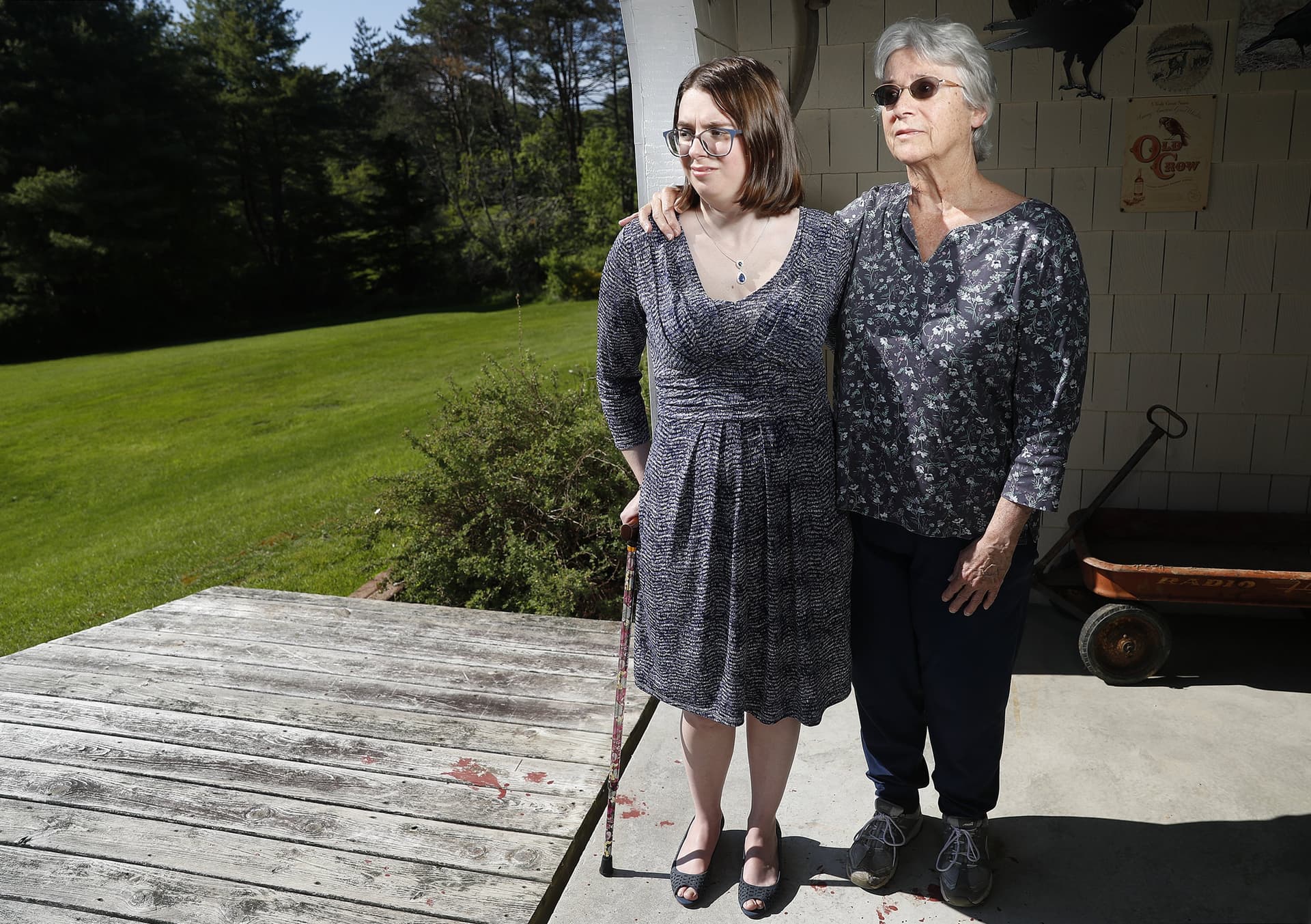
Elizabeth Nelson of West Bath has spent more than a decade dealing with fatigue, nausea, joint pain and episodes of lightheadedness that leave her using a cane. She lives with her mother, Kerry Nelson, and believes the illness began after a tick bite years ago, likely during a sleepaway camp stay in 2009 when she was 13.
Her experience comes as Lyme disease continues to climb across Maine, where the Maine Center for Disease Control and Prevention says it is the most common tickborne disease and the deer tick has spread throughout the state. Preliminary statewide data put Lyme cases at about 3,653 in 2025, while another published report said the Maine CDC reported 4,257 cases, a record high after a record 2024.

State officials have warned that the trend was expected to worsen as temperatures warmed and ticks became active again. The MaineTracking Network follows Lyme and other tickborne diseases through case reports and emergency department visits, giving communities, health providers and public health officials a real-time look at where illness is showing up.
Nelson’s story also highlights the long tail of the disease. Scientific literature and expert summaries estimate that about 5% to 20% of patients can continue to have symptoms after standard treatment, even after the bacteria are gone. Those lingering problems often include fatigue, body aches and difficulty thinking, leaving families to navigate a condition that doctors can identify but still cannot consistently fix.
Researchers are trying to close that gap. MaineHealth and Tufts University are working on a $20.7 million National Institutes of Health-funded study of chronic Lyme disease, which Tufts describes as the largest prospective Lyme study of its kind. The project is following patients from earliest diagnosis to look at whether certain strains of the bacteria are linked to later symptoms, how the immune system responds and whether genetics plays a role.
For Sagadahoc County, the issue carries an added wrinkle: Lyme cases are reported by the infected person’s county of residence, not necessarily where the bite happened. That means a West Bath case may reflect exposure anywhere from a backyard in Maine to a trip elsewhere, while families still absorb the same uncertainty, appointments and long search for answers. With no proven treatment path for chronic Lyme, the burden is not only medical but practical, and it keeps growing with every tick season.
This article was produced by Prism’s automated news system from verified source data, official records, and press releases, then run through automated quality and moderation checks before publishing. The system is built and supervised by the people who set the standards it runs under. Read our full AI policy.
Did this article answer your question?