Activists Seek Full Interior Designation for Compton’s Cafeteria Riot Site in Tenderloin
Activists urged San Francisco to extend historic protections from the exterior to the full interior of Compton’s Cafeteria to honor the 1966 riot and protect trans community spaces.
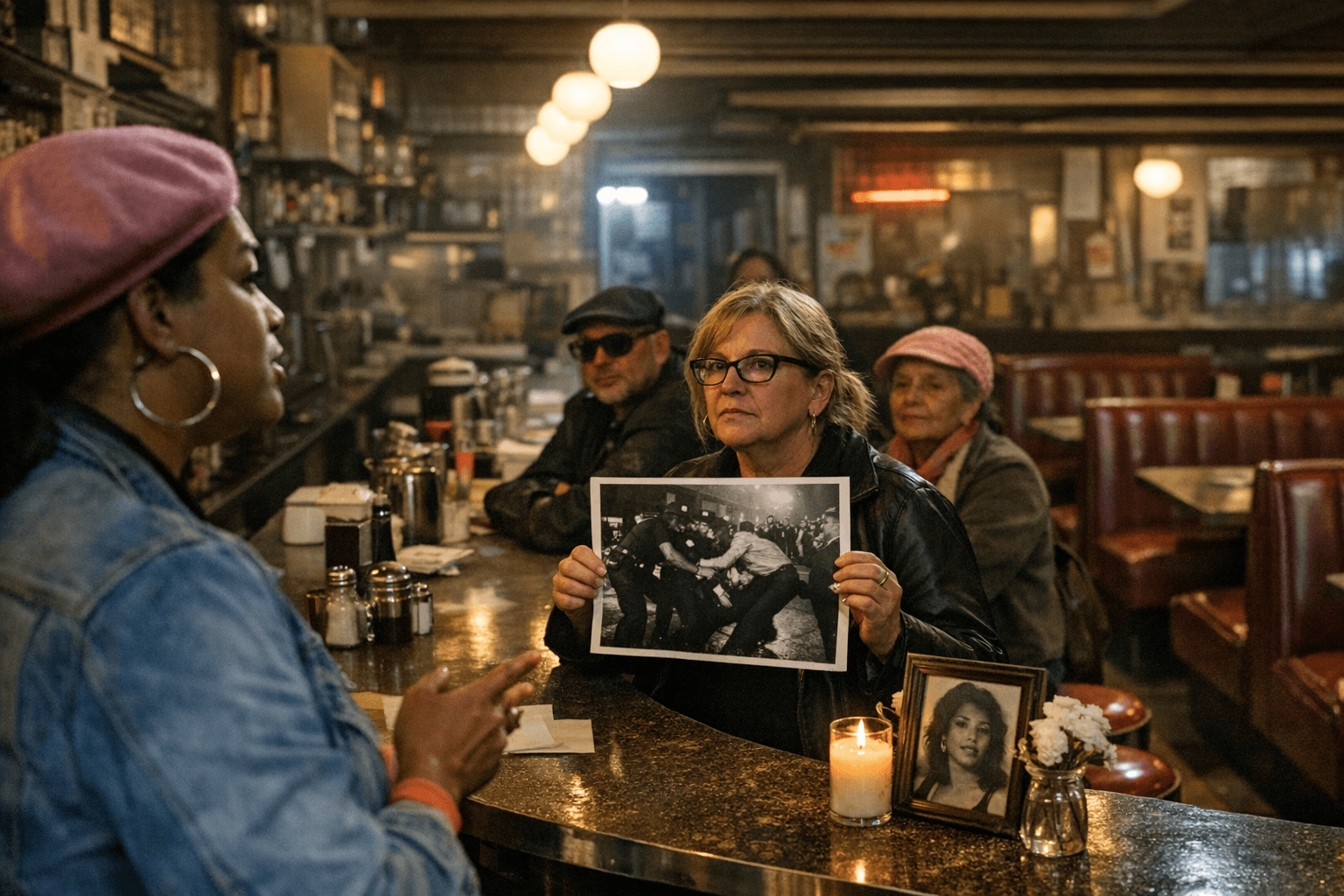
Activists with the Compton’s x Coalition asked the San Francisco Historic Preservation Commission to expand landmark protections for Compton’s Cafeteria in the Tenderloin, arguing that the building’s interior and upstairs apartments should be preserved alongside the already designated exterior wall and sidewalk where the 1966 Compton’s Cafeteria riot began. The request, presented to commissioners on January 21, 2026, seeks to formalize recognition of the site where one of the earliest recorded trans and queer uprisings against police harassment took place.
Compton’s Cafeteria has long been a focal point in Tenderloin memory, and coalition organizers said interior designation is necessary to fully acknowledge the lives and resistance that unfolded inside the building and in the rooms above, where trans people lived and built community. Preserving interiors would protect physical evidence of daily life and survival strategies that are often erased when only facades are retained.
The riot in 1966 is a cornerstone of San Francisco’s queer history. Trans women, drag performers, and other queer people who frequented Compton’s resisted repeated police harassment and created a moment of collective refusal that predates better-known uprisings in other cities. For residents of the Tenderloin - many of whom are homeless or housing-insecure and many of whom are queer or trans - the site is not just symbolic; it is tied to ongoing struggles over safety, shelter, and recognition.
Public health implications run through the coalition’s case. Historic recognition of interior spaces can support trauma-informed community memory work, reinforce the neighborhood’s cultural infrastructure, and justify resources for interpretive programming that connects past policing and exclusion to present-day needs for restorative health and housing services. Advocates framed interior protection as a harm-reduction and equity measure: safeguarding a place of refuge and resistance contributes to community resilience and helps combat the long-term mental health impacts of institutional discrimination.
From a policy perspective, interior landmark designation would expand the scope of local preservation law, making it harder for future renovations or sales to erase spaces tied to queer and trans life. Activists said this would align preservation practice with San Francisco’s broader commitments to racial and LGBTQ+ equity by centering lived experience in what the city protects.
The proposal moved a step forward through the preservation review when the coalition presented its case to the Historic Preservation Commission on January 21, 2026. The request will continue through San Francisco’s preservation process, and coalition members signaled they will keep organizing to ensure the interiors and apartments receive full recognition and care.
For Tenderloin residents, preservation here is about more than a plaque; it is about protecting a site of survival and educating future generations. As the city considers next steps, activists say the outcome will shape how San Francisco remembers trans resistance and how it aligns historic preservation with public health and housing justice.
This article was produced by Prism’s automated news system from verified source data, official records, and press releases, then run through automated quality and moderation checks before publishing. The system is built and supervised by the people who set the standards it runs under. Read our full AI policy.
Did this article answer your question?