Anchor Brewing’s future in San Francisco remains uncertain after revival bid
Anchor Brewing’s Potrero Hill home is still waiting for a true restart, even after Hamdi Ulukaya bought the brand and its recipes. San Francisco is still asking whether a civic icon will come back.
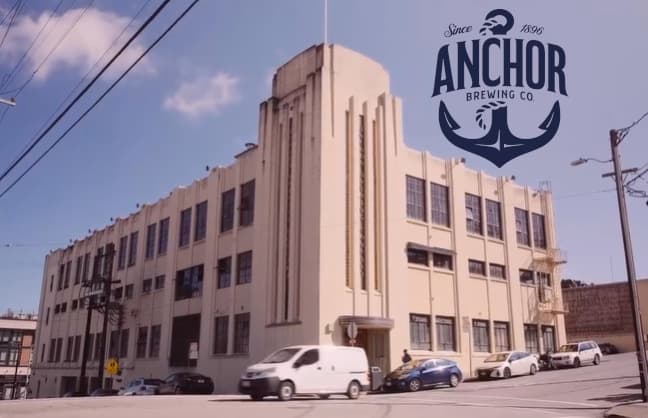
In Potrero Hill, Anchor Brewing has long stood for more than beer. Founded in San Francisco in 1896 and widely described as America’s first craft brewery, it became one of the city’s most recognizable legacy institutions, tied as much to neighborhood identity as to steam beer.
That history took a sharp turn in 2017, when Sapporo Holdings bought Anchor for $85 million. At the time, annual sales were about $33 million and production had reached 135,000 barrels in 2016, but the business was already under pressure. By July 2023, Anchor announced it would cease operations and liquidate after 127 years, and employees received 60-day notices as the company prepared to shut down.
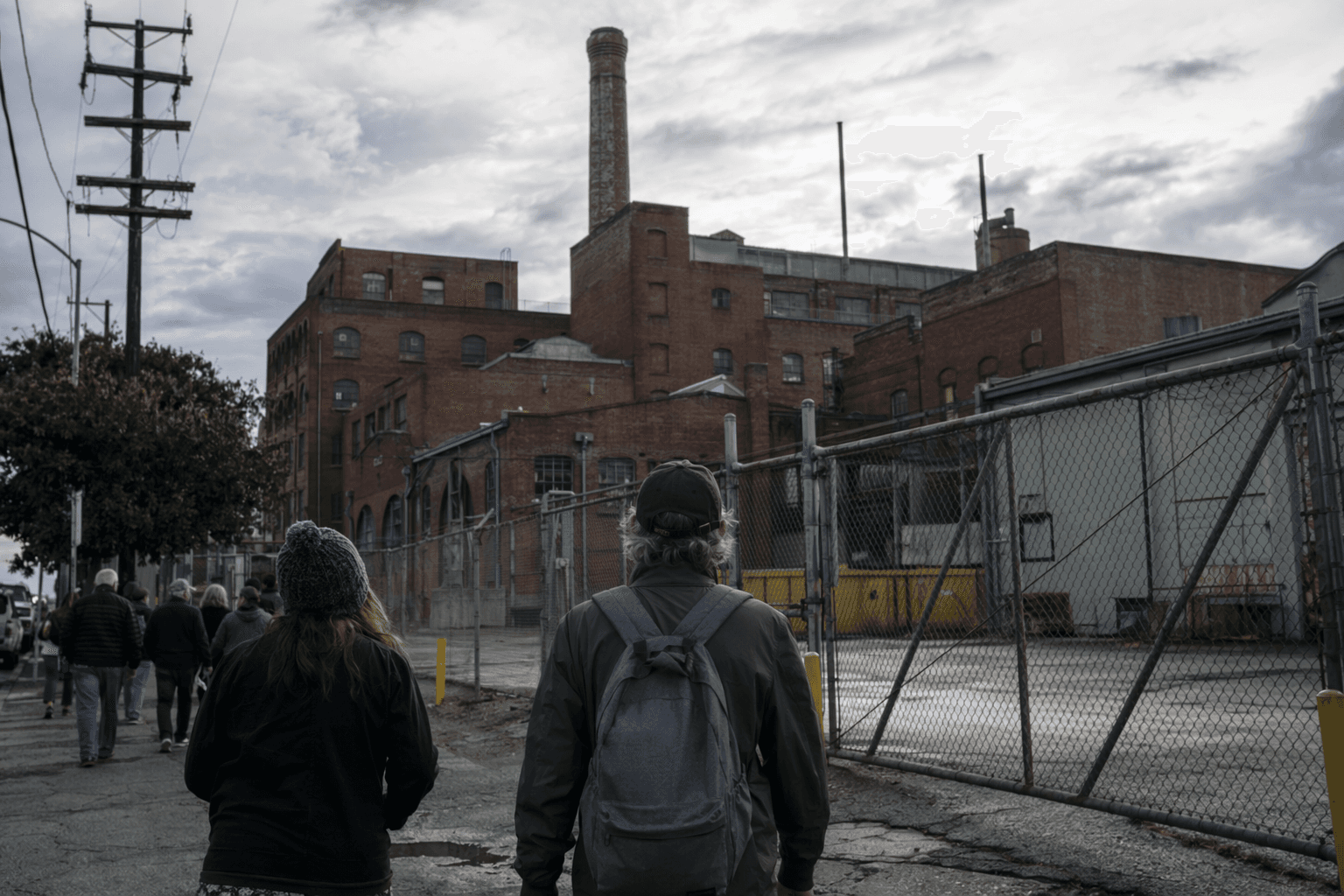
The closure hit San Francisco hard, especially in District 10, where Supervisor Shamann Walton called Anchor a historical staple of the city and a tragedy for the community, the city and the Bay Area. Unionized employees then moved to buy the brewery themselves, a sign of how deeply the brand was woven into the lives of workers and the neighborhood around the Potrero Hill plant.
A major reversal came on May 31, 2024, when Chobani founder and chief executive Hamdi Ulukaya announced he had acquired Anchor Brewing and its assets. The deal included the Potrero Hill brewery, the taproom, the real estate and Anchor’s intellectual property, including its steam beer recipes. Ulukaya said he wanted to revive the brand and keep it in San Francisco, a promise that briefly reopened the possibility of a local comeback.
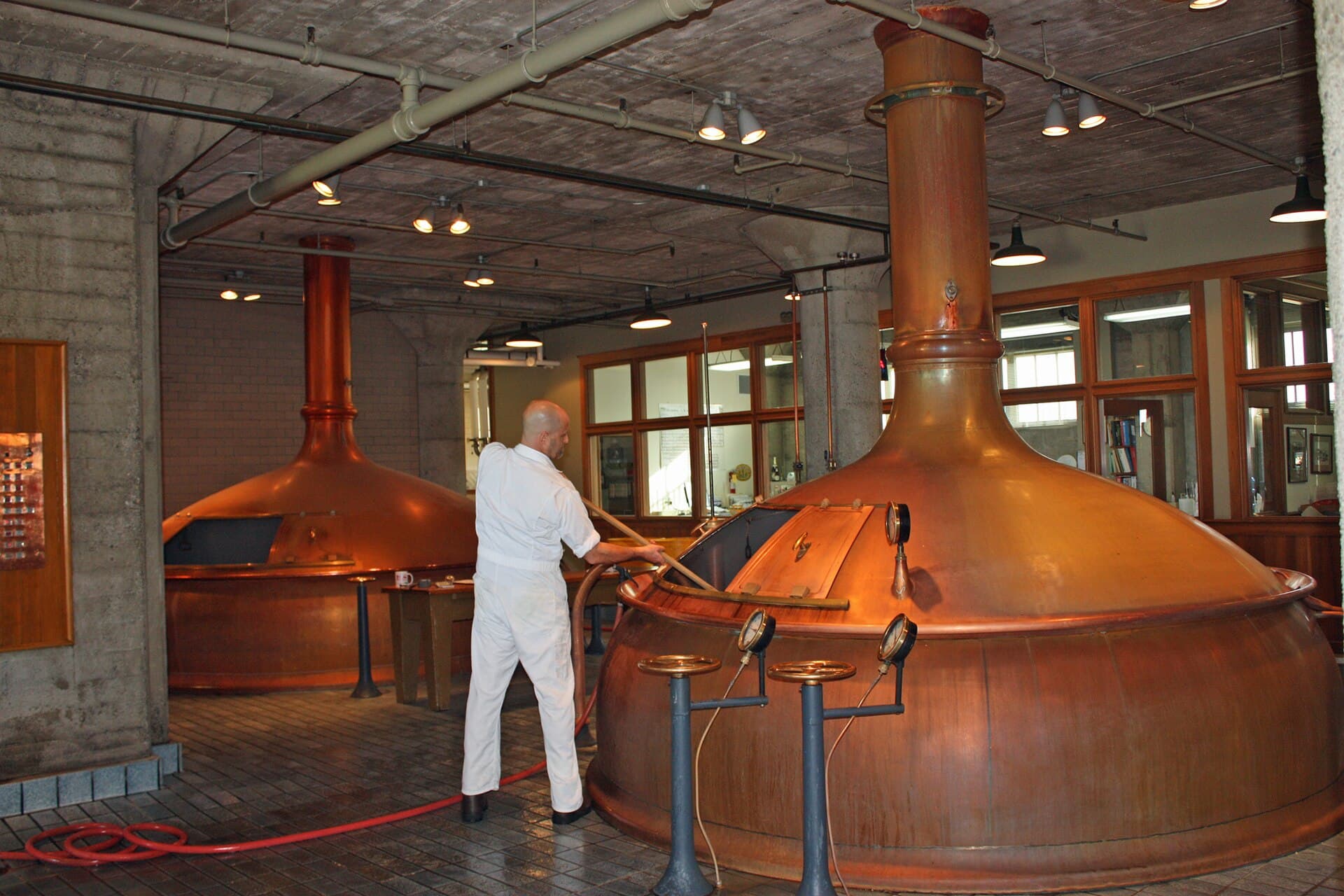
Some life returned to the site by spring 2024, when Anchor Public Taps reopened as an outdoor taproom in Potrero Hill. But the larger question has not been answered: when, or whether, full beer production will resume under the new ownership. By 2025, Anchor’s long-term operational timeline was still unclear, leaving San Francisco with a familiar civic worry, whether another piece of the city’s industrial and cultural fabric will remain here in name only, or once again pour from tanks in Potrero Hill.
This article was produced by Prism’s automated news system from verified source data, official records, and press releases, then run through automated quality and moderation checks before publishing. The system is built and supervised by the people who set the standards it runs under. Read our full AI policy.
Did this article answer your question?

