Anthropic raises $65 billion, tops OpenAI in valuation
Anthropic’s leap to a $965 billion valuation puts a San Francisco firm at the center of the AI boom, with big questions for the city’s jobs, power demand and identity.

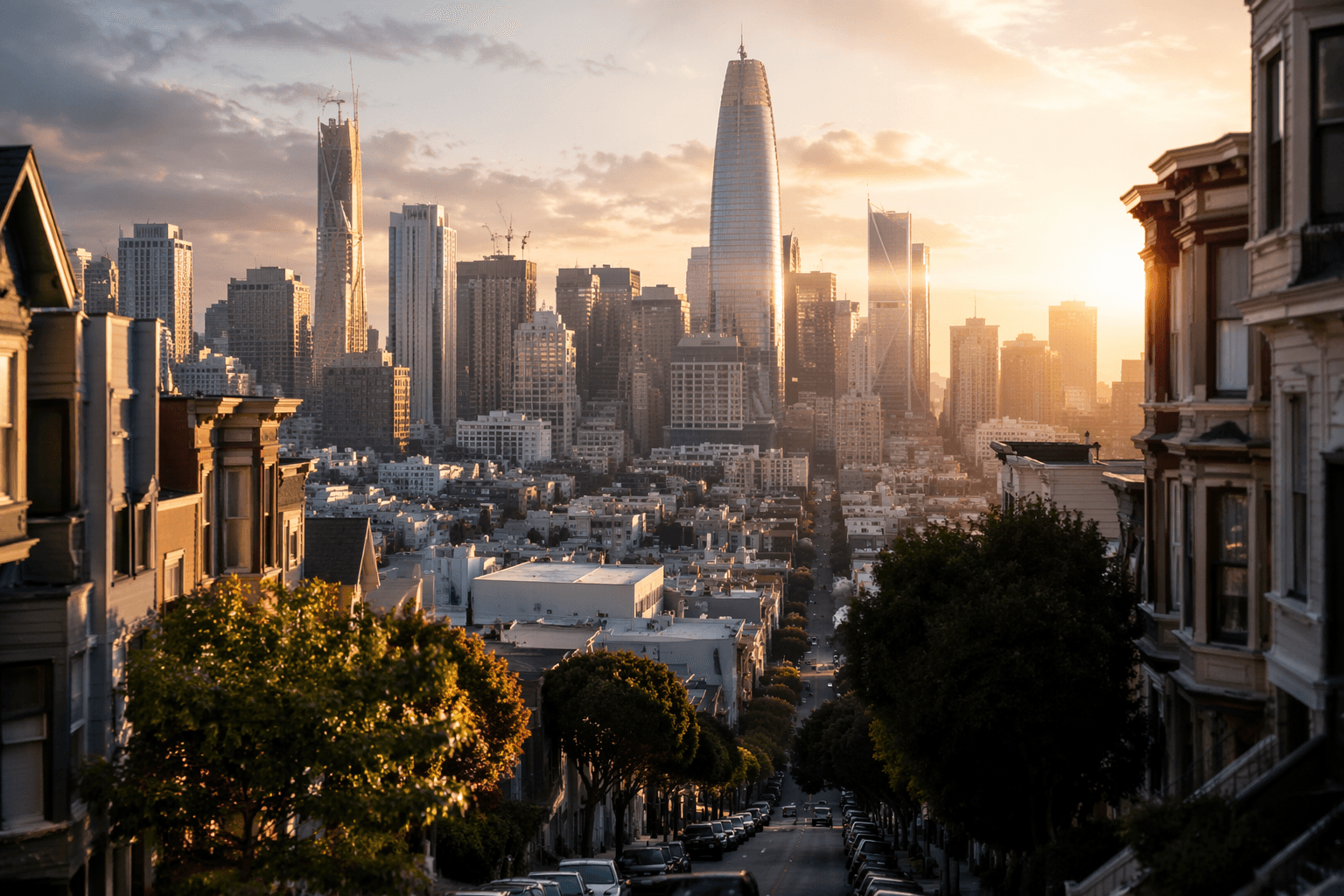
Anthropic’s rise to a $965 billion valuation is turning one San Francisco company into a citywide test of whether the AI boom will leave tangible marks beyond paper wealth. The company said it raised $65 billion in Series H funding, making it more valuable than OpenAI after a year of blistering growth and putting more pressure on San Francisco to show that its AI surge can translate into real local benefits.
The company, founded in 2021 by former OpenAI employees Dario Amodei and Daniela Amodei, is headquartered in San Francisco. Its latest round was led by Altimeter Capital, Dragoneer, Greenoaks and Sequoia Capital, with backing from Capital Group, Coatue, D1 Capital Partners, GIC, ICONIQ, XN and others. Anthropic said the financing included $15 billion in previously committed investments from hyperscalers, including $5 billion from Amazon, reinforcing how deeply the city’s newest powerhouse is tied to the biggest cloud and chip players in the market.
The scale of Anthropic’s infrastructure push points to a future that could be felt well beyond venture circles. The company said it has signed agreements with Amazon for up to 5 gigawatts of new capacity and with Google and Broadcom for 5 gigawatts of next-generation TPU capacity expected to begin coming online in 2027. Anthropic also said Claude is available on Amazon Web Services, Google Cloud and Microsoft Azure, underscoring how much energy, compute and capital the company now needs to serve enterprise customers.
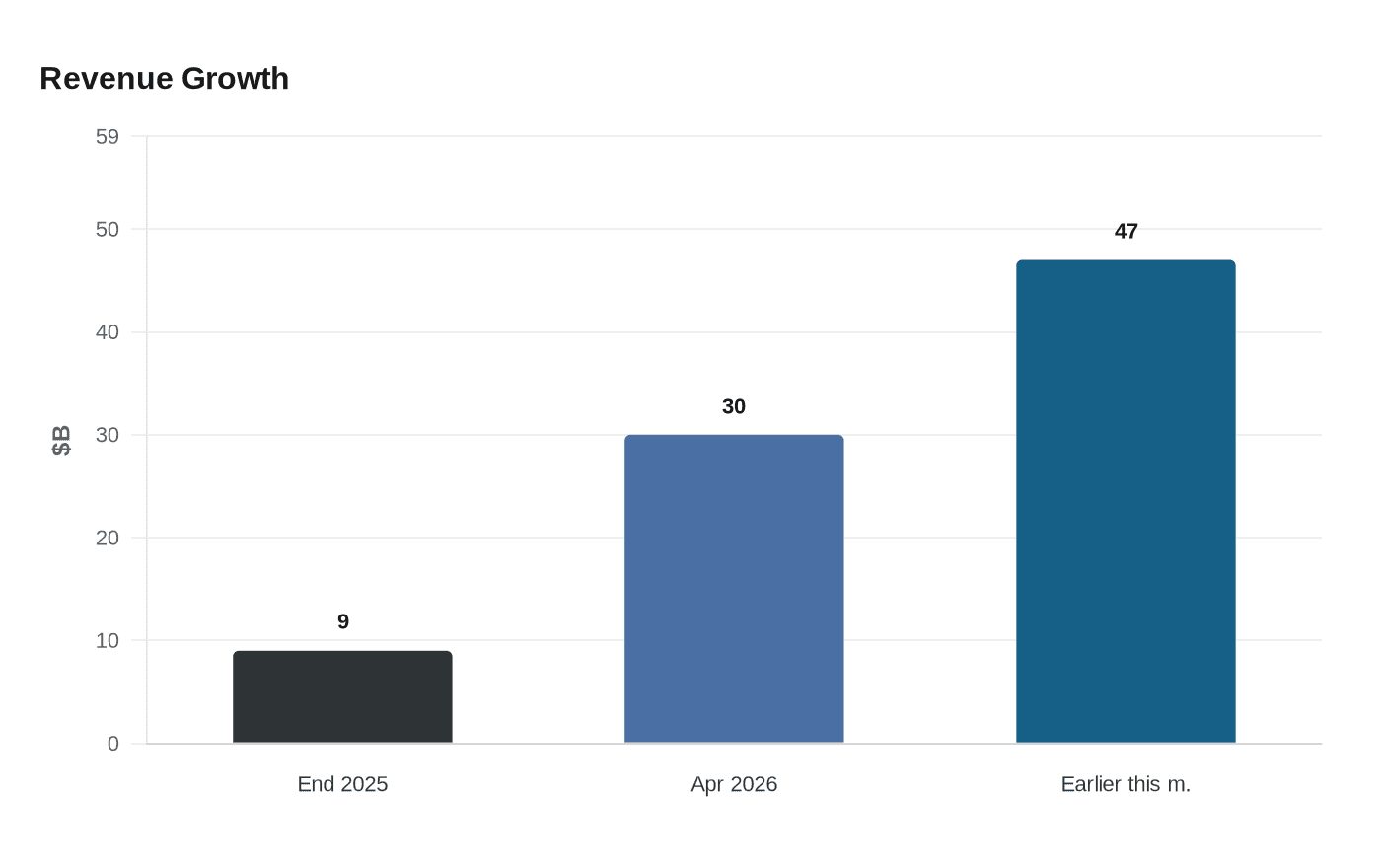
That growth has been fast enough to reshape the competitive map. Anthropic said its run-rate revenue crossed $47 billion earlier this month, up from about $30 billion in April 2026 and roughly $9 billion at the end of 2025. It also said it now has more than 1,000 business customers each spending more than $1 million a year, a sign that Claude has moved from a product for early adopters to one embedded in core operations at large companies.
For San Francisco, the bigger question is what all of that means on the ground. A company this large can strengthen downtown office demand, widen the city’s tax base and deepen its influence in policy debates over energy, permitting and AI regulation. But it can also intensify the gap between a headline-grabbing valuation and daily life in neighborhoods where residents are still looking for more affordable housing, steadier transit and proof that the city’s AI identity produces more than another round of hype.
This article was produced by Prism’s automated news system from verified source data, official records, and press releases, then run through automated quality and moderation checks before publishing. The system is built and supervised by the people who set the standards it runs under. Read our full AI policy.
Did this article answer your question?

