Bay Area’s Indian American population faces new policy pressures
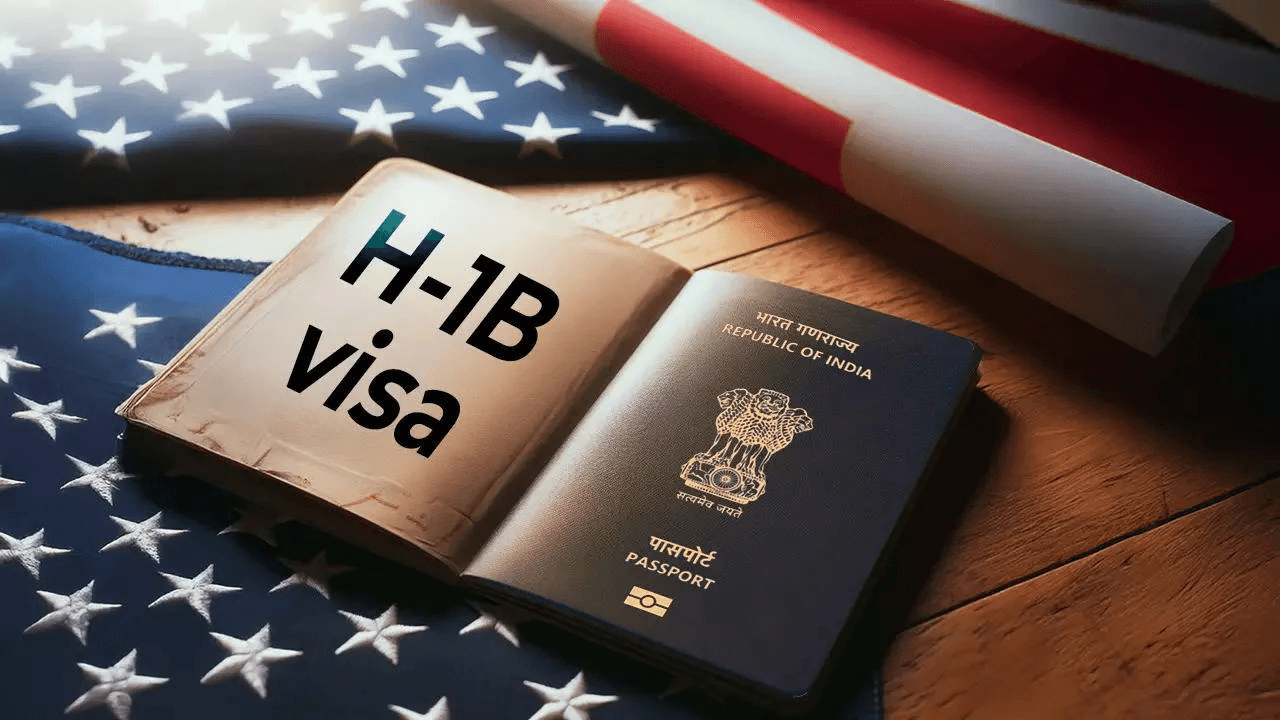
New H-1B rules and a $100,000 fee are hitting the Bay Area’s largest-in-the-nation Indian American community, with San Francisco and SFO feeling the strain.
A community built into the Bay Area economy
San Francisco’s Indian American community is no longer a niche part of the region’s story. The Bay Area now has a larger share of Indians than any other region in the United States, and from 2010 to 2024, Indian Americans and immigrants from India were the fastest-growing ethnic group in the area. In San Francisco County alone, an ACS-based estimate puts the Indian population at 28,328 residents, and census data cited by Axios shows that number more than doubled from 2010 to 2020.
That growth is visible well beyond the city limits. Fremont stands out at 30% Indian ancestry, the highest share of any Bay Area city, while Dublin, Danville, Livermore, and Albany have also been reshaped by the same migration wave. Across the broader region of 7,765,640 residents, these shifts have turned Indian American households, workers, and students into a major force in local life, especially in the tech economy.
The new pressure points for workers and families
The latest policy changes are landing on a community that has been closely tied to high-skill visas and technology jobs for decades. U.S. Citizenship and Immigration Services says a new weighted-selection process for H-1B registrations takes effect on Feb. 27, 2026, and applies to the FY 2027 cap registration season. At the same time, a White House proclamation issued on Sept. 19, 2025 imposes a $100,000 payment on new H-1B petitions submitted after Sept. 21, 2025.
For San Francisco County families, that combination creates immediate uncertainty. H-1B workers often anchor household budgets, housing plans, and school decisions in places where the cost of living is already high. When the visa path becomes more expensive and less predictable, the pressure does not stay in Washington paperwork. It shows up in apartment leases, daycare plans, loan decisions, and whether a family can safely stay in the Bay Area.
Why tech hiring slowdowns matter so much here
The Bay Area’s Indian American rise has been tied to two forces working together: immigration liberalization in the 1990s and Silicon Valley’s hunger for talent. India’s deep bench of tech workers filled software, engineering, product, and operations roles as the region expanded, and that pipeline helped make Indian Americans a visible part of the Bay Area workforce. The Chronicle’s series frames this as a long economic arc, not a one-off trend.
That is why any slowdown in tech hiring matters so much. If firms cut back on recruiting, delay green-card sponsorships, or become more selective about H-1B hiring, the impact spreads quickly from job seekers to current employees to the local businesses that depend on them. Restaurants, grocers, real-estate brokers, tutoring centers, and neighborhood services in places with large Indian populations all feel the pull of those employment decisions.
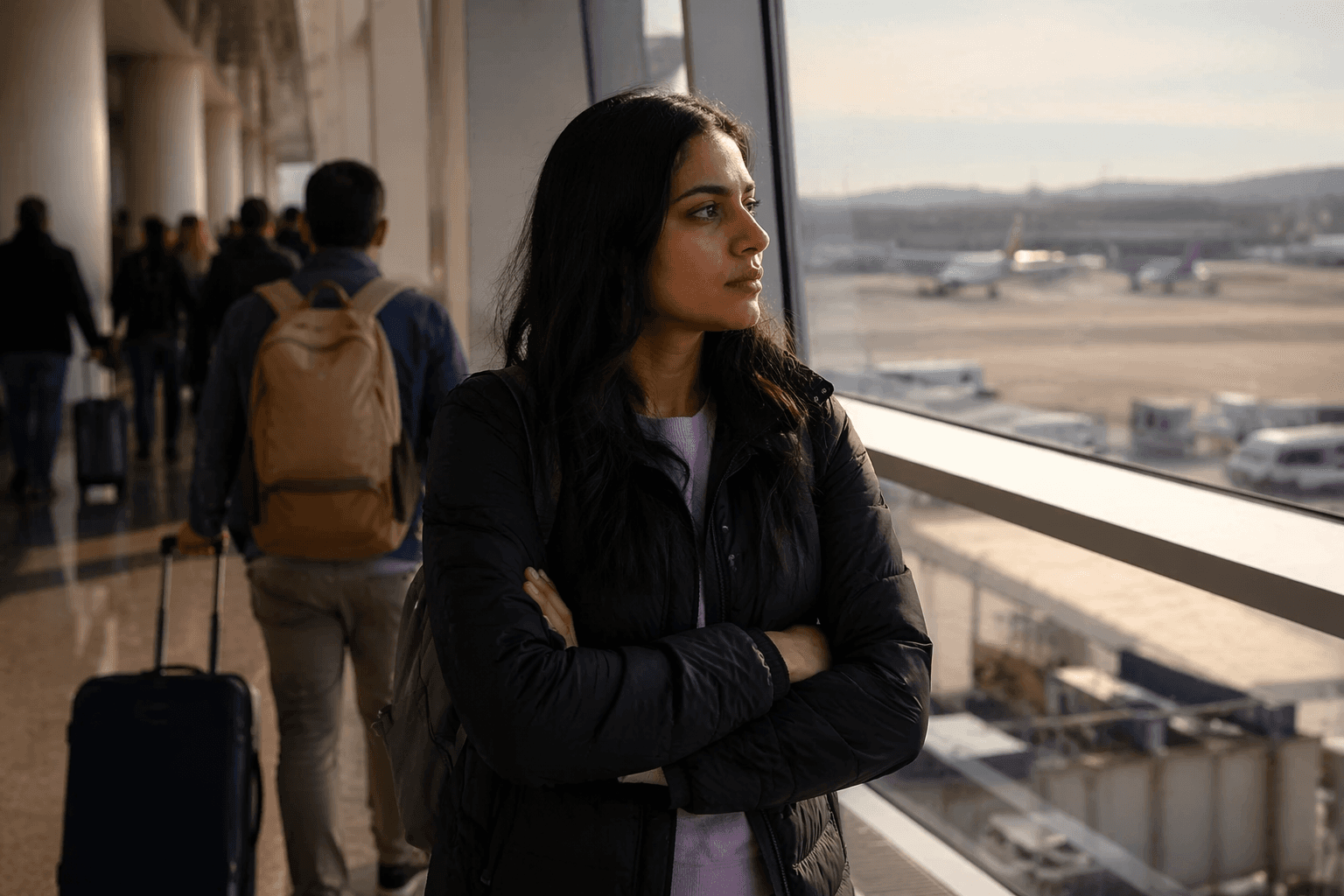
The reaction has already been sharp. KQED reported panic among H-1B travelers at SFO International Airport after the Sept. 2025 proclamation, and ABC7 San Francisco quoted Bay Area tech leaders warning that the fee could hurt innovation and competitiveness. That response makes sense in a region where global mobility is part of the labor market, not just a personal convenience.
Students face a harder path from campus to career
The new pressure also reaches students who are trying to move from college into the workforce. In the Bay Area, the route from a local university or graduate program into a first tech job has often run through internship offers, employer sponsorship, and eventually H-1B registration. Once the registration system becomes weighted and the costs rise sharply, the transition becomes harder to plan around.
That uncertainty hits especially hard in San Francisco County because the county’s Indian population has expanded so quickly in just one decade. More than doubling from 2010 to 2020 means more students are growing up in households that are watching visa policy, job openings, and sponsorship rules at the same time. For many, the question is not just where to study or work, but whether a first job in the Bay Area can turn into a stable long-term future.
The long history behind today’s anxiety
The present-day pressure sits on top of a much longer migration story. Early-20th-century Indian migration had already reached San Francisco before exclusionary laws sharply restricted it, and the region’s current growth is part of a broader reopening that began in the late 20th century. That history matters because it shows how quickly policy can expand or contract the possibilities for a community that has spent generations building roots here.
San Francisco County now sits at the center of that pattern. Local census data, the San Francisco County dashboard, and regional counts from the Census Bureau and Bay Area agencies all point to the same conclusion: the Indian American population is not peripheral to the Bay Area story, it is woven into it. The community’s growth has helped shape neighborhoods, school corridors, commuter routes, and the region’s work culture.
What to watch next in San Francisco County
The most important dates are already on the calendar. The $100,000 payment attached to new H-1B petitions began applying to filings submitted after Sept. 21, 2025, and the new USCIS weighted-selection process starts Feb. 27, 2026 for the FY 2027 cap registration season. Those changes will shape how employers plan hiring and how workers assess their odds.
In practical terms, San Francisco County’s Indian American families and students should expect the next round of uncertainty to center on three things: whether tech companies continue hiring at the same pace, how many employers stay willing to sponsor H-1B workers, and how much the new rules alter the first-job path for recent graduates. In a region where Indian Americans have become one of the clearest signs of the Bay Area’s growth, those policy shifts will ripple far beyond immigration forms and into the daily economics of home, work, and school.
This article was produced by Prism’s automated news system from verified source data, official records, and press releases, then run through automated quality and moderation checks before publishing. The system is built and supervised by the people who set the standards it runs under. Read our full AI policy.
Did this article answer your question?

