Budget cuts threaten City College mental health training pipeline
City College’s free mental-health certificate lost funding, putting Mission and Tenderloin patients at risk of longer waits while students are priced out.
The students who lose out first are the ones San Francisco can least afford to lose: residents with lived experience of addiction or mental illness who were on a path into the city’s frontline behavioral-health workforce. The second loss lands on the city’s neighborhoods, where clinics, schools and community programs in places like the Mission District and the Tenderloin will have fewer locally trained counselors, peer specialists and family advocates to draw from.
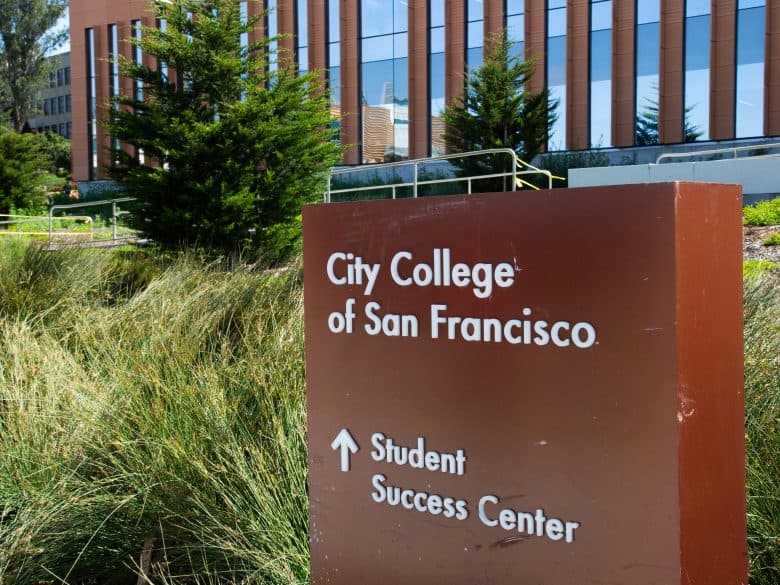
City College of San Francisco’s Community Mental Health Certificate is built as a 16-unit program on a wellness-and-recovery model, with coursework designed to prepare students for entry-level mental-health jobs and an internship with a local agency that serves mental-health consumers and family members. It has been described as an 18-month route into work that is usually hard to access without money, time or a spotless resume. That made it unusual in a city where the cost of training often shuts out the very people with experience that behavioral-health employers say they want.
At the San Francisco Health Commission’s April 20 meeting, Cheryl Thornton said funding for the program had been eliminated and described it as a critical workforce pipeline for young adults with lived experience. The cut threatens a training track that had already shown demand, with Mission Local reporting in August 2025 that the city’s free, in-person addiction and recovery counseling certification had waitlists for nearly every class.
The timing is politically awkward for Mayor Daniel Lurie, who has made behavioral health central to his public case for governing. He unveiled his “Breaking the Cycle” plan on March 18, 2025, promising to transform San Francisco’s response to homelessness, addiction and government failure. In his proposed two-year budget released May 30, 2025, Lurie said the city would close an historic $800 million deficit while still prioritizing public safety, clean streets and behavioral-health crisis response, including outpatient treatment, 5150 follow-up, navigation and expansion of the Journey Home program.
That is the tension now visible in the budget. City leaders are reorganizing around behavioral health, including moving street-outreach teams into the San Francisco Department of Public Health in 2026, but the training pipeline that feeds those systems is losing support. If City College’s certificate is weakened, the city does not just lose a class sequence. It loses one of its few free, local routes into the jobs that help people in crisis.
CCSF’s own tentative 2025-26 budget still shows the district operating with general fund revenue and support from Prop. B, the parcel tax approved by voters in November 2016 and set to run through June 30, 2032. Even so, the cut underscores a larger pattern in San Francisco governance: the city keeps declaring behavioral health a priority, while the people and institutions that train the workforce can still become casualties when the budget tightens.
This article was produced by Prism’s automated news system from verified source data, official records, and press releases, then run through automated quality and moderation checks before publishing. The system is built and supervised by the people who set the standards it runs under. Read our full AI policy.
Did this article answer your question?