California ruling could derail murder charges in fireworks blast case
Two San Francisco men died in the Esparto fireworks blast, and a California Supreme Court ruling may weaken the murder theory against eight indicted defendants.
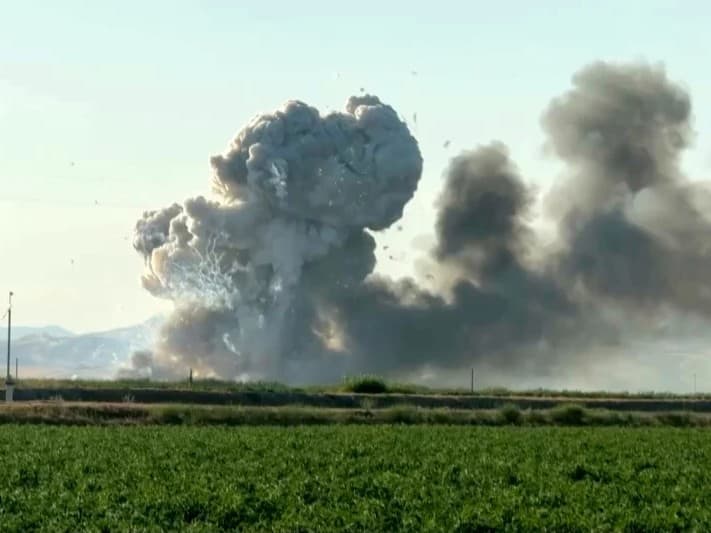
Two San Francisco men killed in the Esparto fireworks warehouse blast are now at the center of a legal fight that could narrow how California prosecutors turn indirect deadly conduct into murder cases.
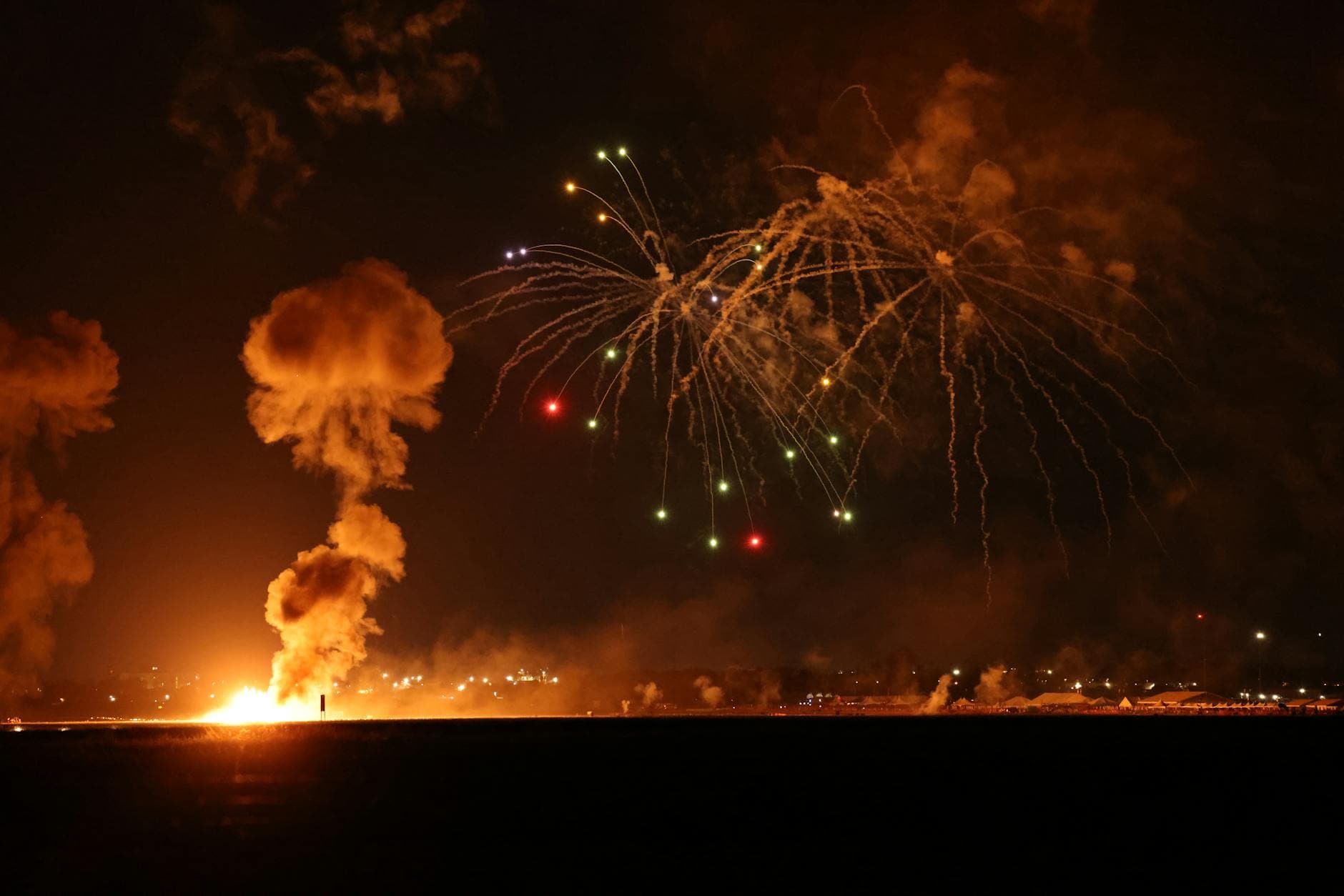
Christopher Goltiao Bocog, 45, and Neil Justin Li, 41, were among seven people killed when a fireworks warehouse exploded July 1, 2025, in rural Yolo County just south of Esparto. The blast also injured two others and sent shock waves through a case prosecutors have described as far bigger than a single accident.
Yolo County prosecutors announced indictments April 10, 2026, saying eight people were charged and five faced seven counts of second-degree murder, one count for each victim. The other victims identified in court coverage were Joel Jeremias Melendez, 28, of Sacramento; Carlos Javier Rodriguez-Mora, 43, of San Andreas; Jesus Manaces Ramos, 18, of San Pablo; Jhony Ernesto Ramos, 22, of San Pablo; and Angel Mathew Voller, 18, of Stockton.
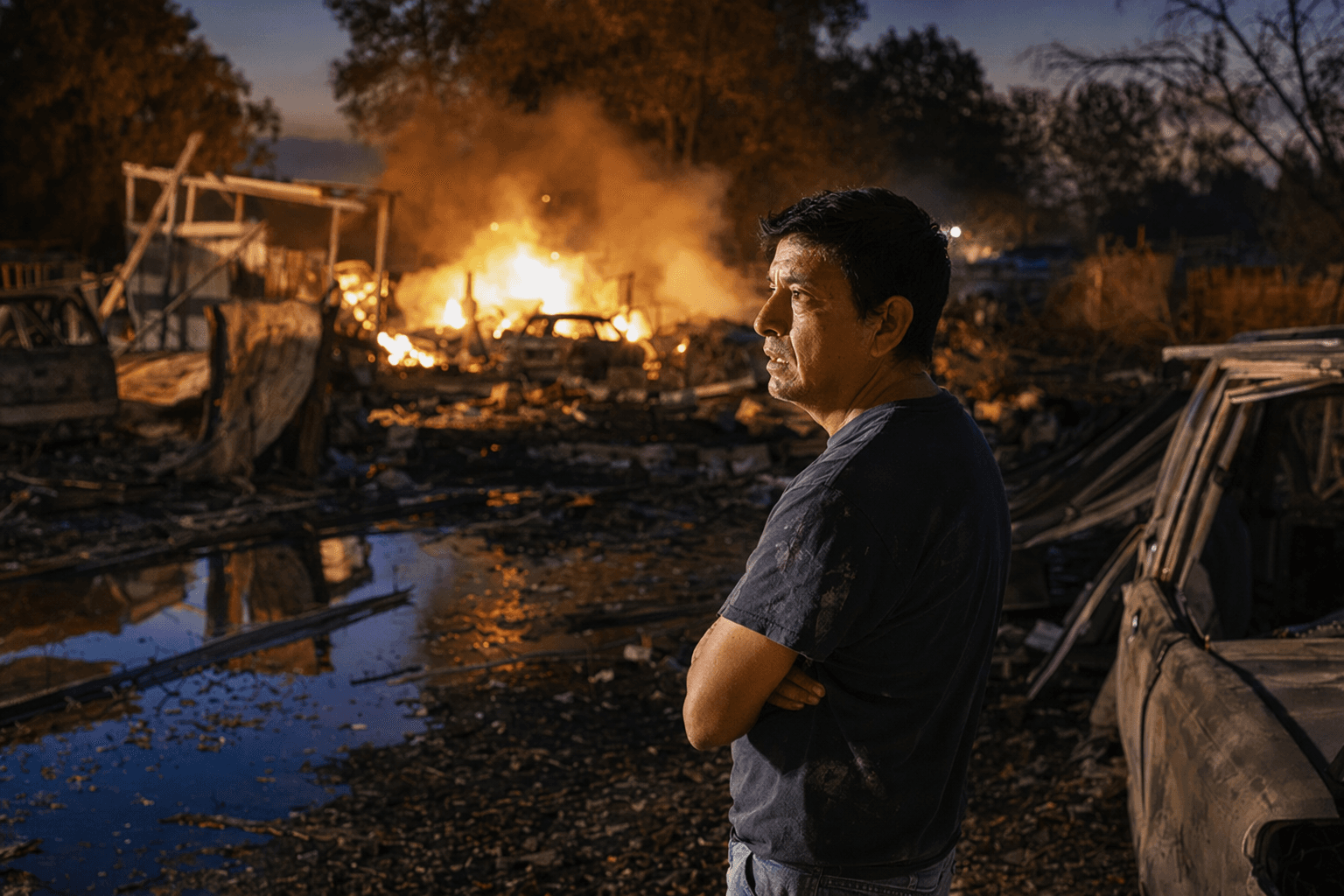
Prosecutors said the case grew out of a decade-long criminal conspiracy that imported more than 11 million pounds of black-market fireworks across Northern California. They said about 1 million pounds of fireworks were on the ground at the warehouse when the victims died. Yolo County District Attorney Jeff Reisig called it the largest investigation his office had undertaken in his 20-year career.
Among those indicted was Samuel Machado, who was a Yolo County sheriff’s lieutenant at the time of the explosion. Prosecutors identified Kenneth Chee as the owner of Devastating Pyrotechnics, whose fireworks were being stored at Machado’s property. Tammy Machado was also arrested and later released after posting bail. Investigators said the property had grown from 13 fireworks storage containers in 2015 to 50 in 2025, a scale prosecutors say reflected how deeply the operation expanded before the fatal blast.
That murder case now faces a major legal headwind from the California Supreme Court. In a recent 6-1 felony-murder resentencing ruling, the court said defendants who intend to kill but do not actually deliver the lethal blow, and do not directly aid the killer in the act itself, cannot be convicted of first-degree felony murder under the 2018 law. The ruling narrows accomplice liability and could make it harder for prosecutors to attach homicide charges when deaths are set in motion indirectly rather than by the person standing closest to the final act.
For San Francisco, the stakes are concrete. Two city residents were among the dead, and the Esparto case shows how a ruling in Sacramento can ripple into homicide prosecutions across California, including disaster cases, group violence cases and other investigations built on a chain of conduct rather than a single trigger pull. If the court’s reading holds, prosecutors may have less leverage to charge murder in sprawling criminal enterprises where the fatal act is separated from the people accused of setting the danger in motion.
This article was produced by Prism’s automated news system from verified source data, official records, and press releases, then run through automated quality and moderation checks before publishing. The system is built and supervised by the people who set the standards it runs under. Read our full AI policy.
Did this article answer your question?