Captain said Volare was on autopilot before San Francisco capsized
The Volare's captain told San Francisco police the 49-foot cabin cruiser was on autopilot before it capsized near Alcatraz, putting operator judgment under scrutiny.
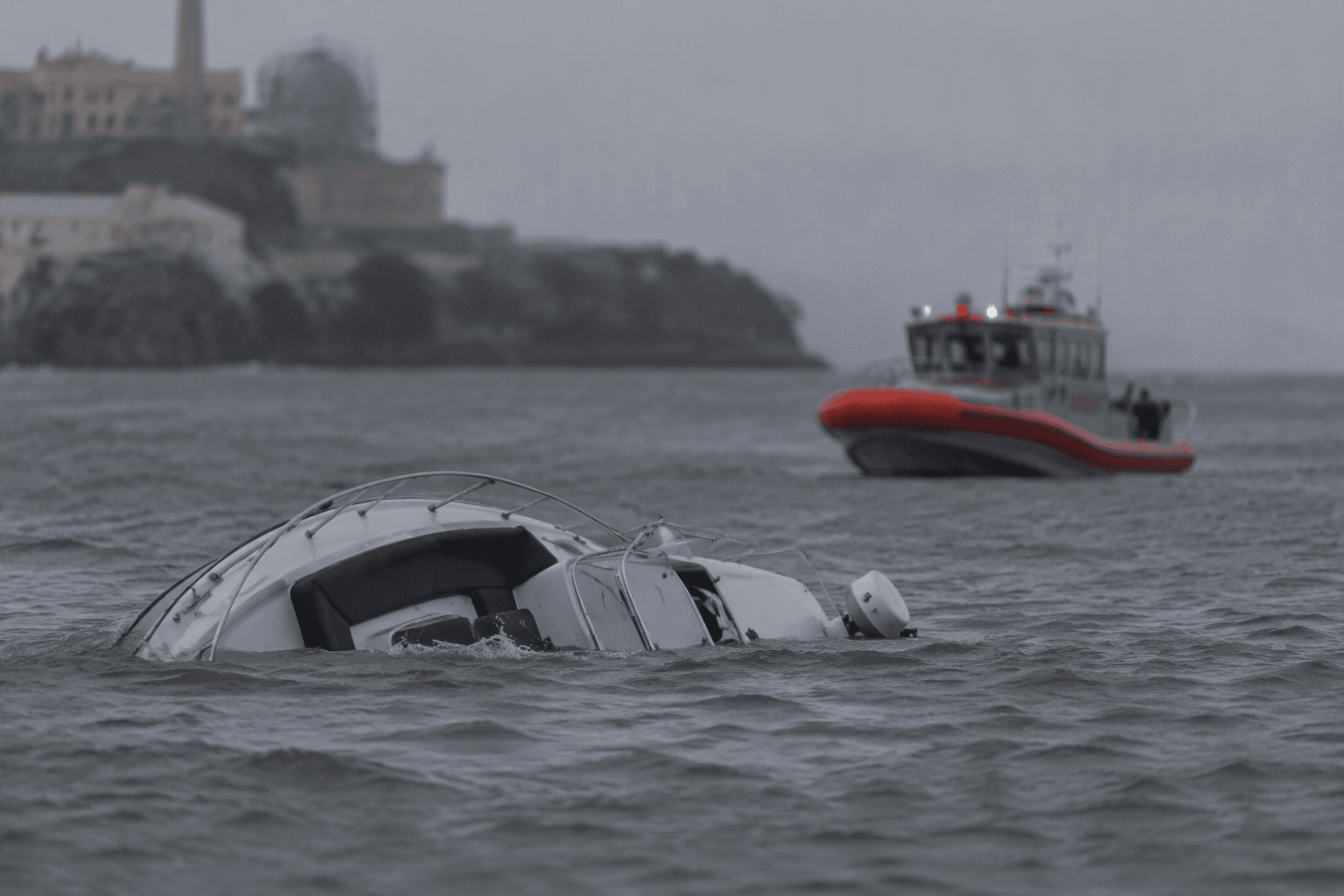
The Volare’s captain told San Francisco police the 49-foot cabin cruiser was on autopilot before it capsized off Alcatraz, a detail that puts the helm, the boat’s monitoring, and the Bay’s passenger-boat standards under the microscope.
The vessel overturned in San Francisco Bay at about 3:37 p.m. on Tuesday, July 14, 2026, with 20 people aboard. Multiple callers reported a boat in distress or on fire, and the wreck happened in one of the city’s most visible stretches of water, near Alcatraz Island and the central bay. One person died at the scene and three passengers were initially reported missing. Later reports identified two of the dead as Tondra Miller, 58, and Carol Boisa, 74, both of Sacramento County.
By July 17, search efforts for the three missing boaters had ended. San Francisco police said their Marine Unit located the sunken Volare with boat-mounted sonar and used a remotely operated vehicle to assess the wreckage where it lay on the bay floor. Investigators also reconstructed the boat’s exact route before it sank, using newly released records that helped build a timeline of the disaster.
The question now is whether the capsize came down to operator error, a stronger safety gap in the way some passenger boats are run, or both. Reports said Coast Guard officials believed a large wave or rogue wave may have struck the vessel before it overturned, which adds weather and sea-state to the list of factors under review. But the autopilot detail also raises a separate issue: on San Francisco Bay, a boat can move from a scenic outing to a fatal emergency in seconds if no one is actively keeping watch.
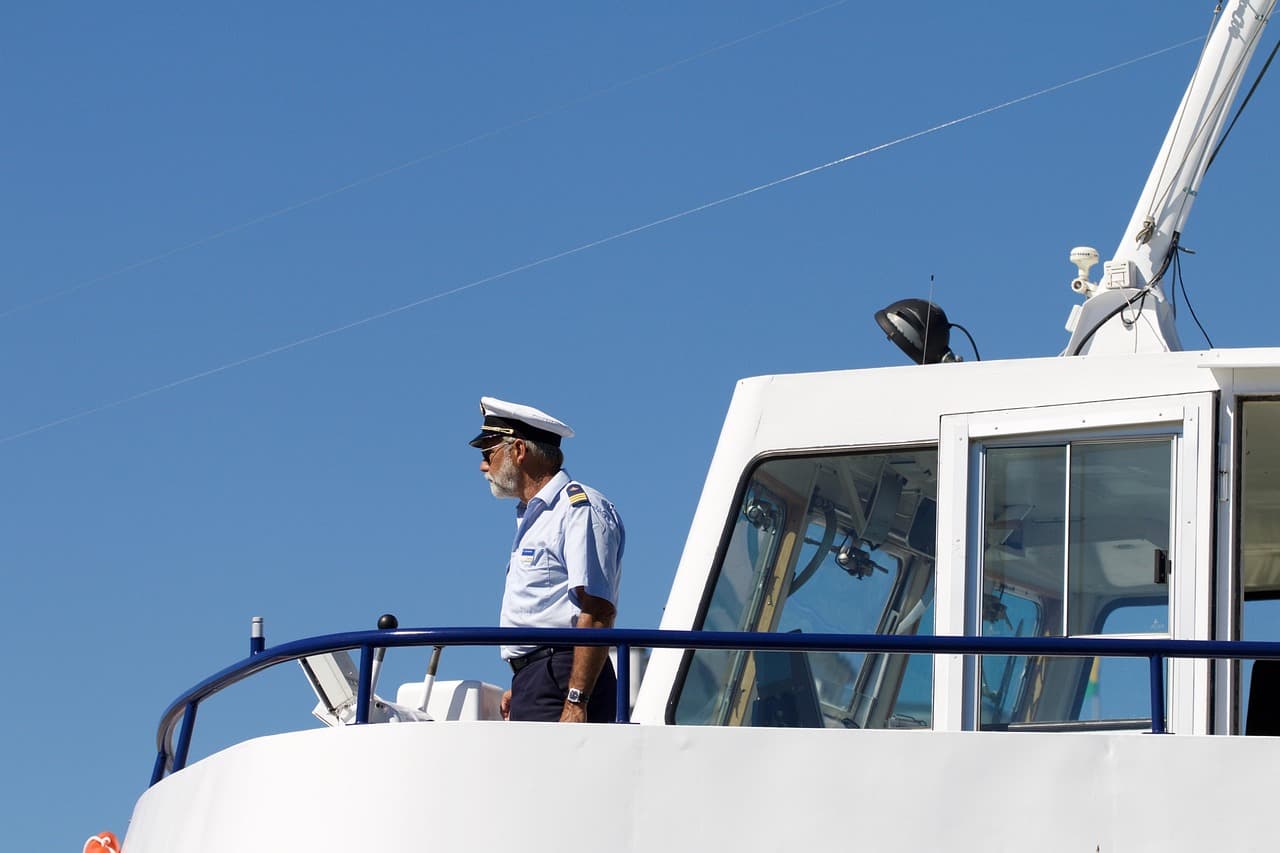
That matters because different rules apply depending on how a boat is used. California State Parks says vessels carrying passengers for hire face more stringent requirements than boats used only for recreation, and it recommends Coast Guard inspection to help ensure compliance. For recreational boats, Coast Guard equipment rules require safety gear matched to the size and type of vessel, including life jackets, and many boats also need fire extinguishers and visual distress signals. Federal navigation rules also require every vessel to maintain a proper lookout by sight and hearing at all times, even when conditions seem calm.
Before booking a similar outing, ask whether the boat is Coast Guard-inspected if it is carrying passengers for hire, where the life jackets are stored, whether there are enough properly sized jackets for every person aboard, and whether the captain or crew are actively keeping watch rather than relying on autopilot. On a busy waterway like San Francisco Bay, those answers can matter as much as the view of the Golden Gate Bridge.
This article was produced by Prism’s automated news system from verified source data, official records, and press releases, then run through automated quality and moderation checks before publishing. The system is built and supervised by the people who set the standards it runs under. Read our full AI policy.
Did this article answer your question?