Carnaval San Francisco returns to Mission District with street closures, parade route
The Mission’s biggest celebration turns Harrison Street into a 17-block festival, with parade crowds, closures and family programming all colliding over Memorial Day weekend.
Carnaval returns to the Mission with music, movement and a full street plan
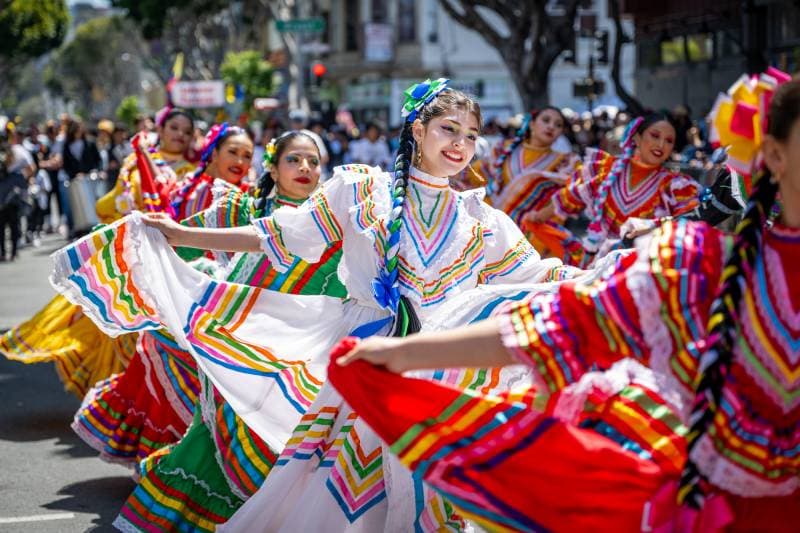
The Mission is about to trade its usual traffic pattern for a weekend of samba, regional mexicano, reggaeton, feathers and sequins as Carnaval San Francisco takes over Harrison Street. The 48th annual celebration lands on Saturday, May 23 and Sunday, May 24, with the Grand Parade set for Sunday morning and the 2026 theme, “La Copa del Pueblo” or “The People’s Cup,” giving the festival a football-and-community frame that fits the neighborhood’s energy.
What is happening and when
Carnaval San Francisco is a free, two-day family festival that the organizing group describes as the largest multicultural festival on the West Coast. The festival runs from 11 a.m. to 6 p.m. each day, with its center on Harrison Street between 16th and 24th streets. The Grand Parade begins Sunday, May 24 at 10:00 a.m., and that timing matters for anyone planning to move through the Mission early in the day.
The parade route follows a familiar Mission corridor: it starts at 24th and Bryant, heads west to Mission Street, turns north on Mission to 15th Street, then goes east to South Van Ness Avenue. That means the festival footprint is not just a few blocks of music, but a neighborhood-wide circulation pattern that will affect drivers, transit riders and anyone trying to cross the district at parade time.
What to expect on the ground
This year’s Carnaval is built around both spectacle and scale. One 2026 event listing says the free festival spans 17 blocks and includes five main stages, 50 local performing artists and 400 vendors. The Grand Parade is equally large in scope, with a 60-contingent lineup and more than 5,500 artists, a reminder that Carnaval is not a single performance but a procession of community groups, dancers, musicians and cultural organizations moving through the street together.
The headliner, Su Majestad Mi Banda El Mexicano de Casimiro, anchors the musical side of the weekend. The official Carnaval site also says the Soccer Arena, or La Plaza del Fútbol, will be at 20th and Harrison Street, placing fútbol at the center of the festival’s identity and reinforcing the year’s theme. For many Mission residents, that mix of live music, dance, sport and street theater is exactly what gives Carnaval its pull.
Why Carnaval matters to the Mission
Carnaval is not just a celebration for visitors looking for a bright weekend photo. It is one of the Mission District’s signature public rituals, and its value lies in the way it keeps Latino, Caribbean and African diasporic traditions visible in a neighborhood that has been under intense pressure from rising costs, shifting demographics and constant debate over who gets to shape San Francisco’s public life.
CANA, short for Cultura y Arte Nativa de las Américas, describes Carnaval as a project to educate people about those traditions in the Mission District and the broader Bay Area. That mission helps explain why the festival continues to matter decades after it began. It is a community claim on the street, one that brings local families, artists and neighborhood institutions into the same public space year after year.
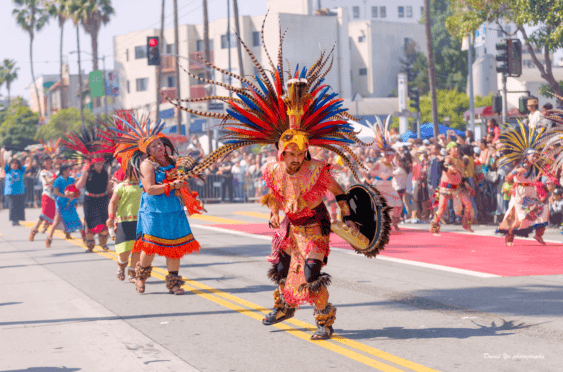
The scale of attendance underscores that point. One 2026 guide says Carnaval draws more than 400,000 attendees annually. That crowd can be a challenge for merchants and neighbors, but it also shows why the festival remains one of the strongest expressions of Latino cultural presence in San Francisco. In a city where neighborhood identity often feels fragile, Carnaval still turns the Mission into a place where that identity is enacted out loud.
A tradition with deep roots
The festival’s roots go back to February 25, 1979, when about 300 drummers and dancers took to the streets around Precita Park. FoundSF identifies Adela Chu as a key founder, part of the early organizing that helped turn scattered performance traditions into a lasting neighborhood institution. That history matters because it shows Carnaval did not arrive as a city marketing project. It grew from the Mission itself, from organizers and performers who wanted a place where cultural memory could live in public.
That origin story also gives this year’s parade and street festival more weight than a standard city event. Carnaval has survived long enough to become multigenerational, and its continued presence says something important about the neighborhood: even as the Mission changes, the streets still hold room for a tradition built by local communities rather than imposed from above.
How to plan around closures, transit and crowds
The practical side of Carnaval is as important as the performance side. Expect street closures, reroutes and heavy pedestrian traffic near Harrison Street, the parade route and the festival center. The San Francisco Municipal Transportation Agency routinely issues advisories for major neighborhood events like this, and drivers should plan for slower movement and limited access near the event window.
Transit will be part of the equation as well, especially for anyone trying to reach the Mission without getting caught in the parade flow. If you are headed to the festival, arriving early is the safest way to keep the day from being spent in traffic. The event runs all day, but the parade begins at 10 a.m. on Sunday, which is the moment when the neighborhood will be at its most crowded.
A few basics stand out for anyone planning to attend:
- The festival is free.
- The festival center is on Harrison Street between 16th and 24th streets.
- The main event days are Saturday, May 23 and Sunday, May 24.
- The Grand Parade starts Sunday at 10:00 a.m.
- Pets are not allowed in the festival area.
The Mission’s annual public statement
Carnaval San Francisco remains one of the clearest examples of how the Mission turns celebration into civic identity. It is part parade, part neighborhood gathering, part logistical test, and all of it sits inside a long tradition of people claiming space for culture in a city that keeps changing around them. For one weekend, Harrison Street becomes a stage, the soccer plaza becomes a community center, and the Mission shows why its public life still matters.
This article was produced by Prism’s automated news system from verified source data, official records, and press releases, then run through automated quality and moderation checks before publishing. The system is built and supervised by the people who set the standards it runs under. Read our full AI policy.
Did this article answer your question?