Chinatown Korean lunch spot draws office workers with $8.75 meals
An $8.75 made-to-order lunch in Chinatown is pulling back office workers, one inexpensive kimbap roll at a time.
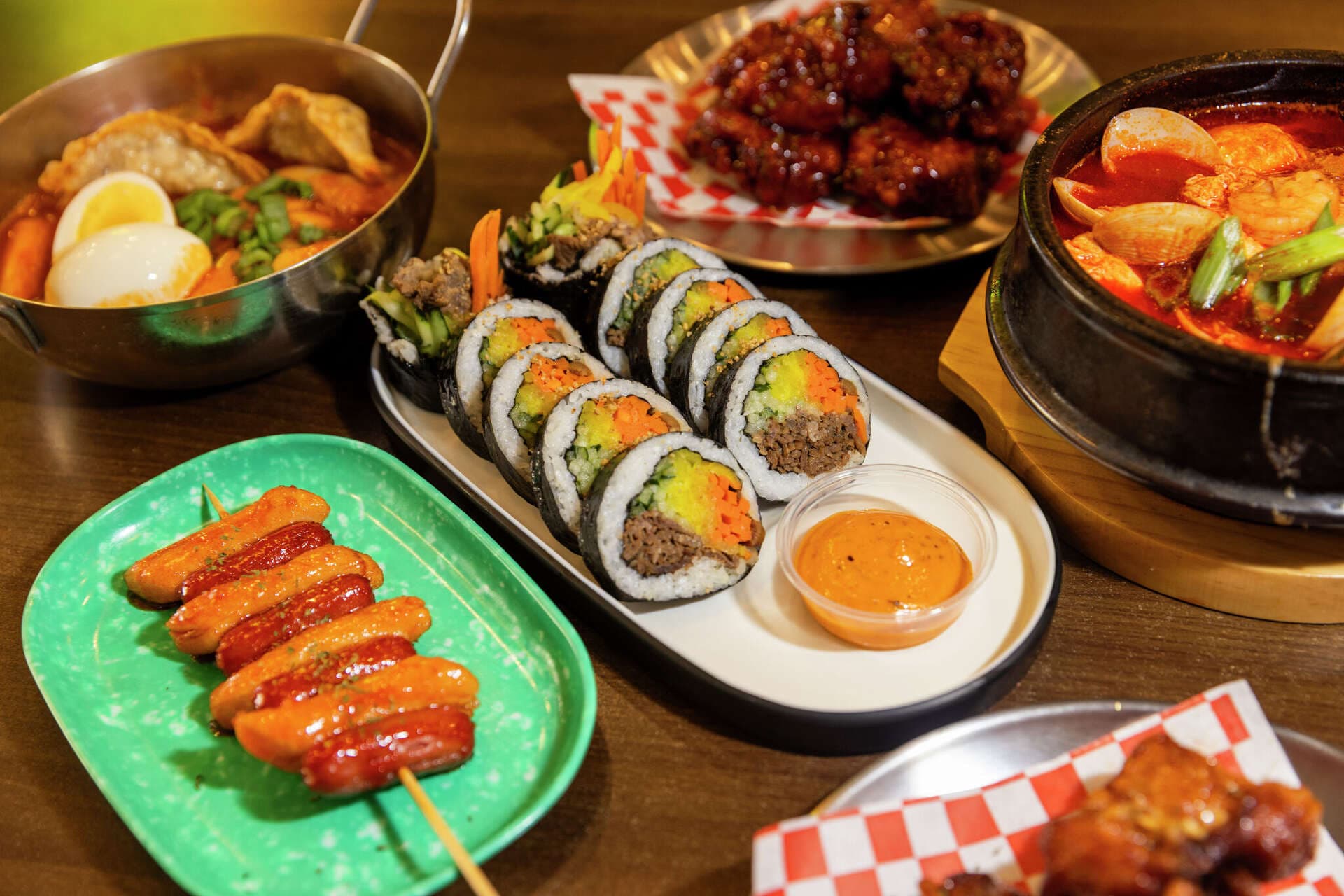
An $8.75 made-to-order lunch in downtown San Francisco sounds almost too cheap to be real, but that is exactly why Kingbob in Chinatown keeps filling up with repeat customers. The Korean spot has turned a basic midday meal into a small but revealing test of what return-to-office life now looks like in San Francisco: workers are not just coming back for office towers, they are coming back for food that does not blow up the day’s budget.
A lunch price that stops people in their tracks
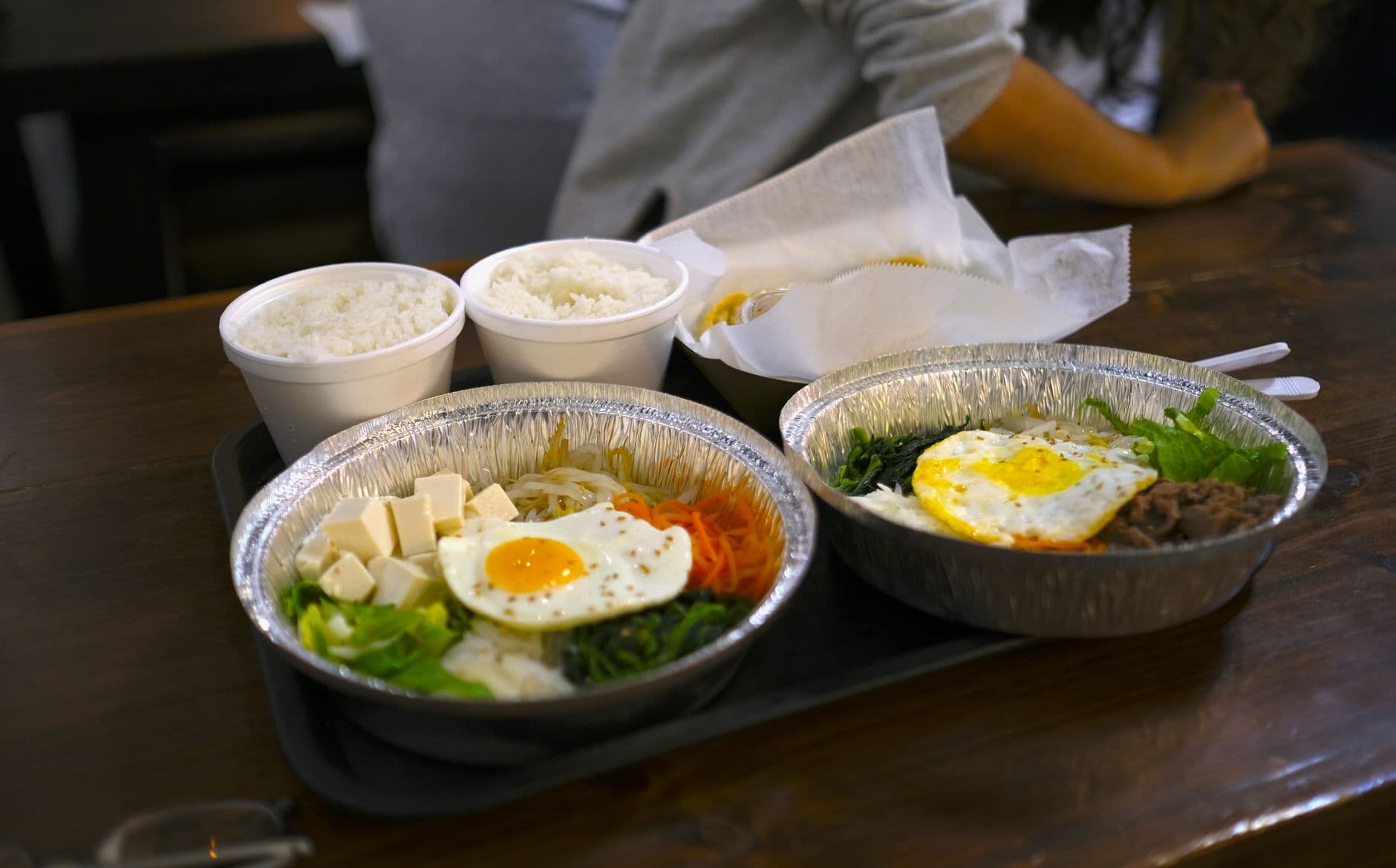
Kingbob’s appeal starts with the number on the board. Its made-to-order kimbap rolls start at $8.75, a price that stands out in a city where a downtown lunch can climb well into the teens once tax and tip are added. That matters because the restaurant is not selling a novelty snack or a one-off special. It is selling a routine, repeatable lunch that office workers can actually build into a weekday.
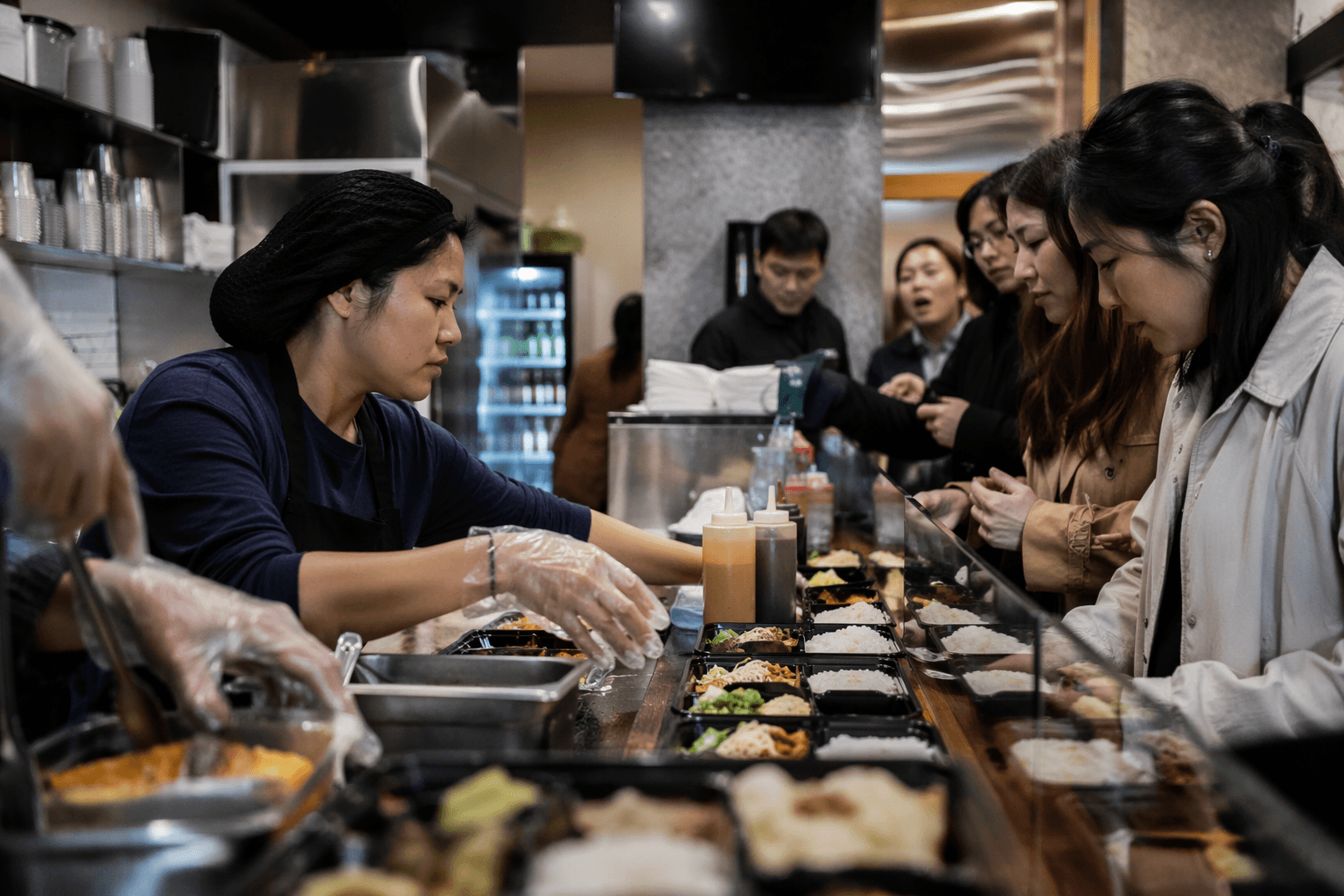
The draw is practical as much as culinary. Customers come for speed, consistency and a price that still feels within reach for people trying to manage San Francisco costs. The result is a lunch counter that functions less like a destination splurge and more like a pressure valve for workers who still need a decent meal between meetings.
Who is showing up and why it works
The customer base says a lot about the current shape of downtown recovery. Kingbob draws downtown office workers, Korean tourists and Chinatown residents, a mix that reflects both neighborhood loyalty and the slow reactivation of the Financial District and surrounding corridors. It is the kind of cross-current that only shows up in a place where transit riders, tourists and office staff still overlap at lunch hour.
That combination also helps explain why a modestly priced spot can survive. Office workers bring weekday volume, tourists bring curiosity, and local residents provide the steady, everyday business that keeps a small restaurant from depending on one customer group alone. In that sense, the line outside Kingbob is not just about lunch. It is about the overlapping economies of Chinatown and Downtown San Francisco.
The owner’s path from South Korea to Chinatown
The restaurant’s backstory gives the price tag more weight. Jae Wook Baek arrived in San Francisco in 2020, leaving his wife and then-7-year-old daughter behind in South Korea before opening the restaurant. That detail matters because Kingbob is not just a bargain-food story, it is also an immigration story, built on risk, separation and the decision to start over in one of the country’s most expensive cities.
Baek has said, “So I thought this would be the best place to open my restaurant.” The line captures the calculation behind the business: Chinatown offered a setting where a focused, affordable food concept could make sense, even in a market known for high rents and high labor costs. In a city where many restaurant stories center on luxury or disruption, Kingbob’s model is rooted in persistence and restraint.
Why this lunch matters for downtown recovery
Kingbob is landing in a downtown economy that is still healing unevenly. CBRE said San Francisco’s overall office vacancy rate was 30.4% in Q1 2026, a sign that a lot of empty space remains even as some companies bring workers back. At the same time, a March 2026 report said downtown weekday foot traffic is still less than half of pre-pandemic levels.
Those numbers help explain why a lunch counter like Kingbob gets outsized attention. If office workers are returning but still moving through a downtown that is far from full strength, then lunch businesses have to compete on value as much as convenience. A place that can hold down the cost of a meal and still draw repeat visits becomes a small but meaningful indicator of what kind of downtown is actually recovering.
What Chinatown’s business corridors need to hold on
Chinatown’s role in this story is just as important as downtown’s. A Fall 2024 Chinatown Corridor Study said the neighborhood’s commercial corridors depend on grassroots advocacy, preservation of the existing housing stock and a resident-centered economy. That is a very specific recipe for survival, and Kingbob fits neatly into it: affordable food, neighborhood foot traffic and a business model that serves the people already there, not just visitors passing through.
The study focused on Stockton Street and Grant Avenue, two of the neighborhood’s vital commercial corridors. Those streets depend on daily use, not headline-making reinvention. A lunch spot like Kingbob becomes part of that ecosystem by meeting a basic need at a price point that still works for working people, tourists and longtime residents alike.
San Francisco’s immigrant city still shows up at lunch
The broader city context makes the story even sharper. San Francisco’s Immigrant Rights Commission says roughly 34% of city residents were born outside the United States, a reminder that the city’s identity is built on migration as much as on finance or technology. That matters here because Kingbob’s story is shaped by a Korean owner serving a diverse mix of customers in Chinatown, one of the most visibly international parts of the city.
In that sense, the restaurant is doing more than selling kimbap. It is showing how immigrant entrepreneurship, neighborhood affordability and downtown worker habits intersect in real time. The business survives because it solves a daily problem, and that may be the clearest sign of all that San Francisco’s recovery is being written one lunch at a time.
This article was produced by Prism’s automated news system from verified source data, official records, and press releases, then run through automated quality and moderation checks before publishing. The system is built and supervised by the people who set the standards it runs under. Read our full AI policy.
Did this article answer your question?

