Civil grand jury faults San Francisco homelessness oversight and safety tracking
San Francisco's grand jury says the city spends nearly $500 million on homelessness contracts without using safety data well. It pointed to Eric McCain's death and 711 Post Street.
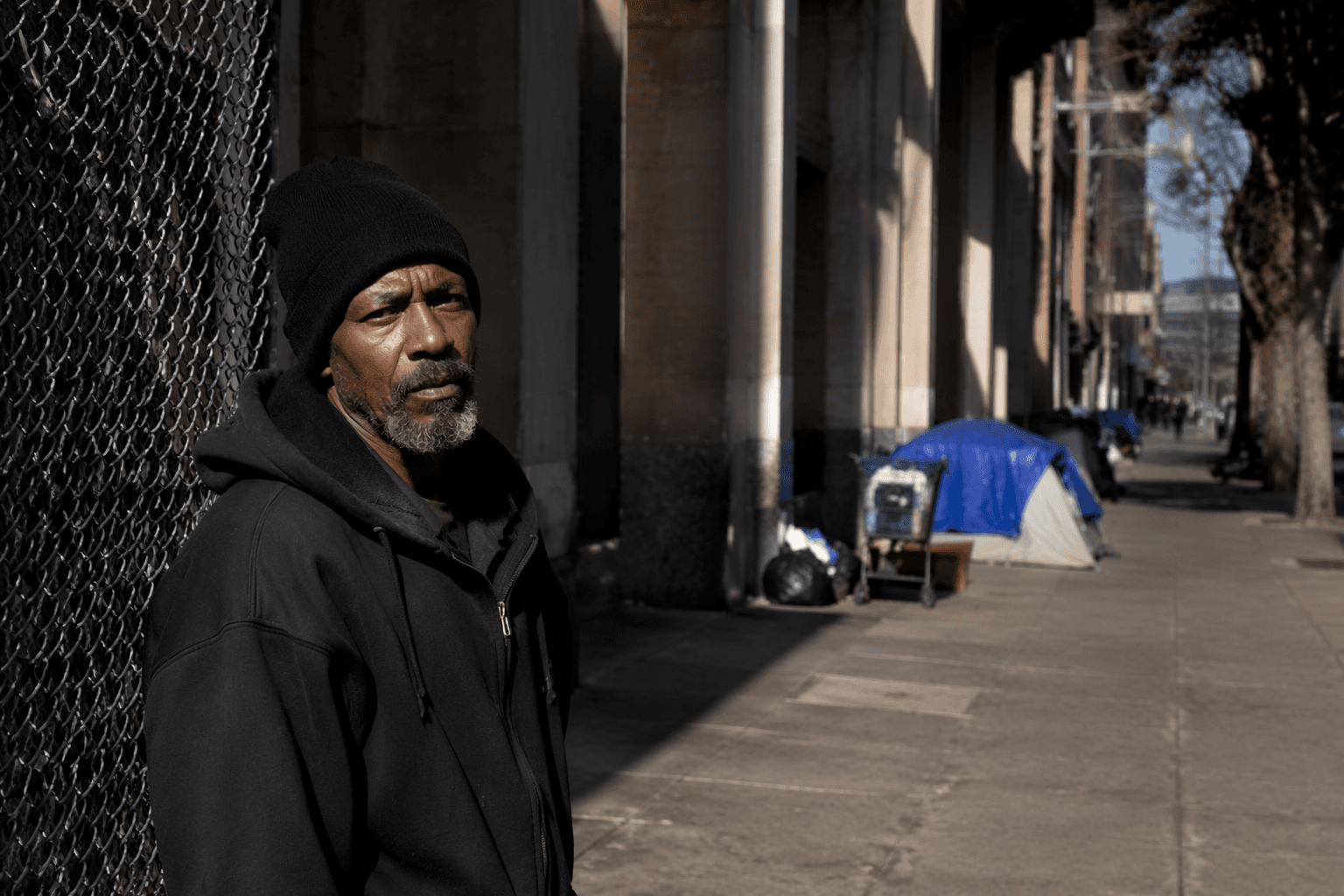
San Francisco spends nearly $500 million a year on homelessness contracts.
A June 23, 2026 report by the 19-member civil grand jury, titled At Scale, At Risk-Upgrading Data and Oversight to Improve Homelessness Services, found that the Department of Homelessness and Supportive Housing is not effectively analyzing data to identify risks, improve safety or strengthen accountability.
The report found gaps in the Homelessness Oversight Commission’s oversight. Safety should be a central criterion in contract approval for homelessness services, but it is not now. Critical incident reports and other safety data are collected, but they are rarely weighed when the city decides which nonprofit contracts to approve.
The jury focused in particular on permanent supportive housing, which makes up almost half of HSH’s shelter and housing inventory. It pointed to the death of Eric McCain at the Jazzie Collins Apartments and the planned closure of the shelter at 711 Post Street as examples of risks not being tracked closely enough. The report cited public data showing that about 26% of accidental drug overdose deaths in San Francisco occurred at permanent supportive housing sites in 2024.
In January 2026, 7,972 people were experiencing homelessness in San Francisco, a 4% decline from the 2024 Point in Time count, but the number of people successfully exiting the system into stable housing fell 14.3% year over year.
Mayor Daniel Lurie, who took office in 2025, made homelessness a centerpiece of his administration and appointed Mike Levine to lead HSH on April 8, 2026. Levine will help build accountable systems and contracts and better integrate health care and homelessness services. Preliminary 2026 Point in Time data showed unsheltered homelessness at its lowest level in 15 years, down 22% since 2024, and the city had opened 600 new treatment-focused beds and secured nearly $40 million in state homelessness funding.
The grand jury report goes to the city’s Government Audit and Oversight Committee, with the Controller tracking the status of recommendations.
This article was produced by Prism’s automated news system from verified source data, official records, and press releases, then run through automated quality and moderation checks before publishing. The system is built and supervised by the people who set the standards it runs under. Read our full AI policy.
Know something we missed? Have a correction or additional information?
Submit a Tip